New enzyme reduces the cost of cellulosic sugar production for biofuels and bio-based chemicals

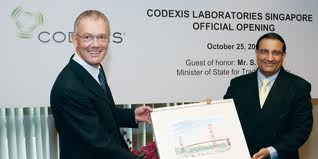
codexis in singaporeCodexis, Inc., a developer of engineered enzymes for pharmaceutical, biofuel and chemical production, announced during the World Biofuels Conference in Rotterdam (The Netherlands) the launch of CodeXyme 4 and CodeXyme 4X cellulase enzyme packages for use in producing cellulosic sugar for production of biofuels and bio-based chemicals.

Codexis’ latest generation of advanced cellulase enzymes, CodeXyme4 for dilute acid pretreatments and CodeXyme 4X for hydrothermal pretreatments, exhibits excellent performance, converting up to 85% of available fermentable sugars at high biomass and low enzyme loads. Combined with high strain productivity using the CodeXporter enzyme production system, this allows for a cost-in-use that the company believes will be among the lowest available once in full-scale commercial production.

Continue reading

Marine animal tunicates as a renewable source of biofuel

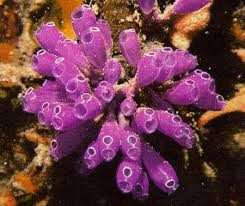
tunicatesA group of researchers at the University of Bergen (UiB) and Uni Research (Norway) – engaged in research and development in the fields of marine biology, the environment, climate, petroleum, culture and the social sciences – have found that a certain type of tunicate – ascidiacea – can be used as a renewable source of biofuel and fish food. This is particularly good news for the growing aquaculture industry, which for years has struggled to find enough quality feed for its fish. There also is the prospect of reducing emissions from traffic.

It is the cellulose, the protein, and the Omega-3 fatty acids in the ascidiacea that is the cause for its many uses. Its mantle consists of cellulose, which is a collection of sugars. When cellulose is cleaved, one can obtain ethanol. And ethanol can be used for biofuel in cars. The animal’s body consists of large amounts of protein and Omega-3. This can be used for fish feed, says professor Eric Thompson at UiB’s Department of Biology.

Continue reading

Guayule-based natural rubber materials for Pirelli’s tire production

pirelliVersalis (Eni) and Pirelli have entered into a Memorandum of Understanding (MoU) to kick off a joint research project for the use of guayule-based natural rubber in tire production.

The research project will run over a period of three years. On an exclusivity basis, Versalis will provide an innovative range of guayule-based natural rubber materials, while Pirelli will carry out trial tests to validate the performance of the materials for tire production.

As soon as new industrial quantities become available, Versalis will supply Pirelli with guayule-based natural rubber to complement the current set of synthetic rubber that Versalis is already supplying to Pirelli for the production of conventional tires.


Continue reading

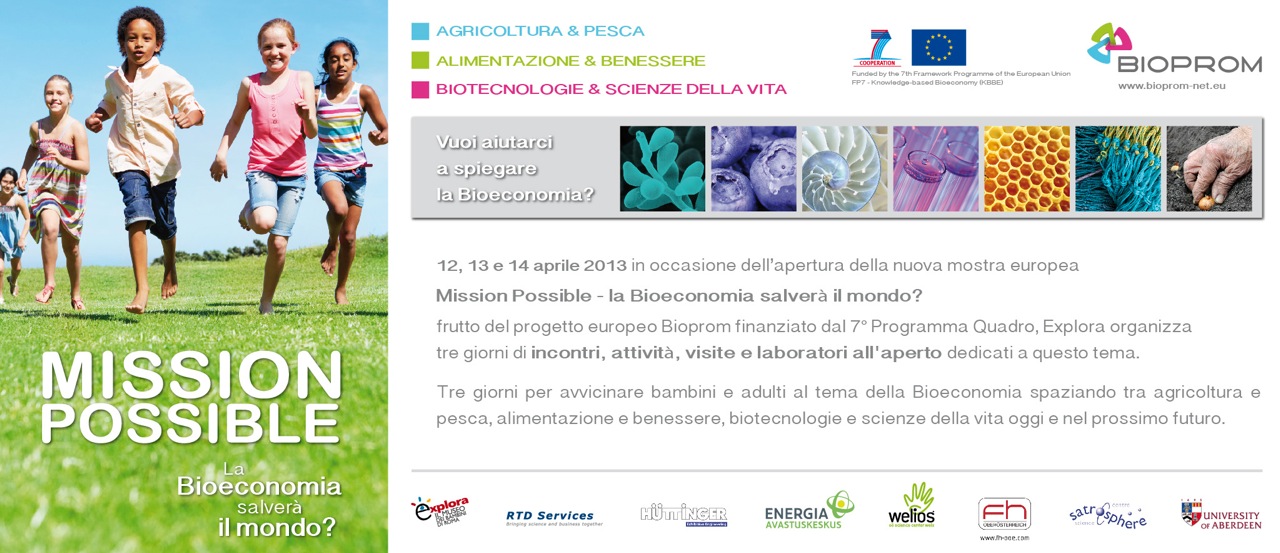
La bioeconomia salverà il mondo? La missione è possibile. Al museo dei bambini di Roma

BIOPROMLa Bioeconomia salverà il mondo? È il tema proposto dalla mostra che sarà inaugurata il 12 Aprile a Explora, il museo dei bambini di Roma.

Ricercatori ed esperti di musei e science centres europei – Austria, Estonia, Germania, Italia e Gran Bretagna – hanno collaborato al progetto, finanziato dal 7° Programma Quadro della Commissione europea.

“Mission possible” è una mostra interattiva che verrà inaugurata a Roma, prima tappa del tour europeo per far conoscere la Bioeconomia al grande pubblico.

Continue reading

Un governo che guarda al futuro. Puntando sulla bioeconomia

palazzo chigiRiuscirà l’Italia ad avere un governo? La missione sembra impossibile. Prima delle elezioni, paventando quanto poi si è avverato, ovvero l’ingovernabilità del paese, abbiamo anche espresso il sogno di avere come ministro dello Sviluppo economico, Catia Bastioli, Ceo di Novamont. Subito dopo la stessa Bastioli è stata inserita da Michele Santoro (questo ovviamente ci fa piacere) in un suo ipotetico governo di alto profilo. Il ministero che Santoro ha assegnato a Bastioli è quello dell’Ambiente. Il che fa emergere bene come la nostra visione dell’ambiente e della bioeconomia sia di traino dello sviluppo economico ma anche sociale del paese. Nel giochino del nuovo possibile governo si stanno cimentando un po’ tutti gli organi d’informazione.

Proviamo così anche noi de Il Bioeconomista a proporre un governo di alto profilo per il paese, che abbia nella propria agenda politica tra le priorità lo sviluppo della bioeconomia e dell’occupazione.
Continue reading

The thistle, a new resource for the bioeconomy

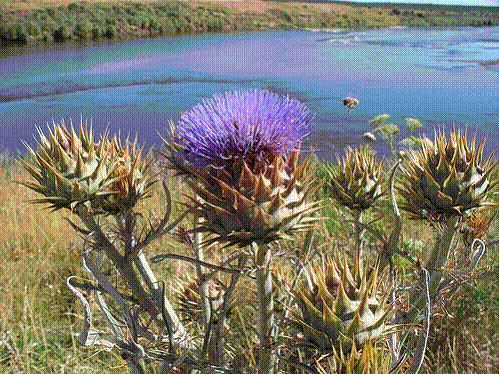
thistleFrom thistle a new era for the agricultural and industrial value chains. An innovative business model, which combines the industrial needs of Matrica, a joint venture between Versalis-Eni and Novamont, with those of farmers located  in northern Sardinia. An agro industrial relationship model, aimed at creating a integrated value chain rooted in the territory in synergy with local biodiversity. These the key issues discussed last Monday in Porto Torres at the second technical meeting on thistle which was attended by numerous high level representatives of the Sardinian agricultural world and by representatives of research and local institutions, including the mayor of Porto Torres, Beniamino Scarpa, and the dean of the University of Sassari, Attilio Mastino.

Continue reading

Il futuro della Vinyls di Porto Marghera è nella chimica verde

vinyls margheraSi affaccia un futuro nella bioeconomia per la Vinyls di Porto Marghera. Il Gruppo Mossi & Ghisolfi – secondo fonti venete – è interessato all’acquisizione dello stabilimento veneziano della società specializzata nella produzione di Pvc, in amministrazione straordinaria dal 2009. Ieri il Tribunale di Venezia ha prorogato di altri due mesi l’amministrazione controllata, un periodo necessario ai due commissari Mauro Pizzigati e Giorgio Simeone per trovare un accordo con i potenziali acquirenti, che rappresenti non solo la soluzione migliore per l’impianto ma anche per i 132 lavoratori in cassa integrazione straordinaria a zero ore. Oltre al Gruppo Mossi & Ghisolfi interessato allo stabilimento veneto della Vinyls è l’Oleificio Medio Piave.

Continue reading

KLM: first flight on biofuels to New York City

klm-biofuel-flight.jpgAfter a series of flights between Schiphol and Paris, Dutch airlines KLM operated its first transatlantic flight on used cooking oil to New York City. The company announced late last week that Thursday’s Flight KL642 flight from John F. Kennedy Airport to Schiphol was made using biofuel, and confirmed the weekly flight will now continue to use the biofuel. The flight between Amsterdam and New York is scheduled to fly every Thursday in the coming 25 weeks.

The Dutch company began to test flights using biofuels in 2009. KLM started with 200 flights between Amsterdam and Paris. Last year, KLM operated its first intercontinental flight on used cooking oil to Rio de Janeiro. On 23 November 2009, KLM operated the world’s first demonstration flight with passengers on board using biofuel. On this flight, one engine ran on a mix of 50% biofuel made from camelina (huttentut). On 29 June 2011, this was followed by the first commercial flight on biokerosene from Amsterdam to Paris with 171 passengers on board. The biokerosene used on this flight was made from recycled cooking oil supplied by SkyNRG. In September a series of flights were operated on this route. With these flights KLM is demonstrating more sustainable operations really are possible.

Continue reading

Bioplastics: the Italian holistic approach to bioeconomy

EU ParliamentBrussels spoke Italian last Wednesday. On the eve of the official presentation of the “Green paper on plastic waste” by the European Commissioner for the Environment Janez Potočnik, Kyoto Club presented on 6 March the European Parliament with “Bioplastics: A case study of Bioeconomy in Italy. A smart chemistry for a smarter life in a smarter planet”, a book – edited by Walter Ganapini – on the Italian experience of regulating the distribution of disposable plastic bags, in order to reduce environmental pollution.

The book presents the “Italian case” of bioeconomy, whose roots lie in the evolution of research and innovation in the biodegradable bioplastics sector on the one hand, and the virtuous development of the quality compost industry and separated municipal waste collection on the other. The connections between these two developments over the years have set in motion a whole series of virtuous modes of action and collaboration initiatives between various stakeholders (enterprises, institutions, research bodies, trade associations, consultancy companies and regional authorities) generating a connective tissue that is ideal to promote a change in the development model, putting the efficient use of resources at the centre.

Continue reading

È il giorno della bioeconomia italiana a Bruxelles

porto torres bioraffineria matrìcaÈ il giorno della bioeconomia italiana a Bruxelles. Nella sede del Parlamento europeo si terrà oggi il convegno “BioPlastics: A case study of Bioeconomy in Italy in the light of Horizon 2020”, promosso dal Kyoto club con il patrocinio del nostro ministero dell’Ambiente.

Obiettivo: illustrare come l’Italia stia delineando una strategia capace di dare un nuovo impulso al potenziale di innovazione del paese e di sviluppare il settore della bioeconomia.

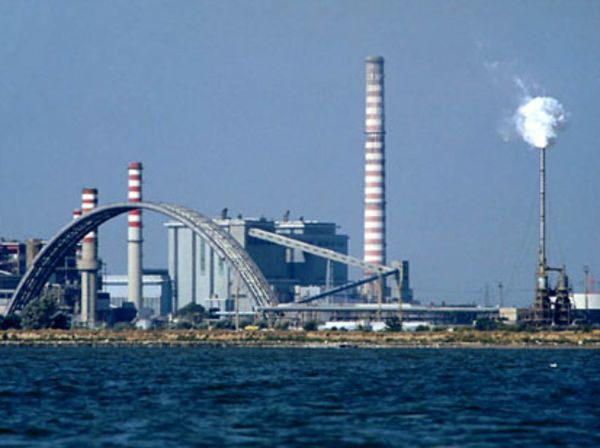
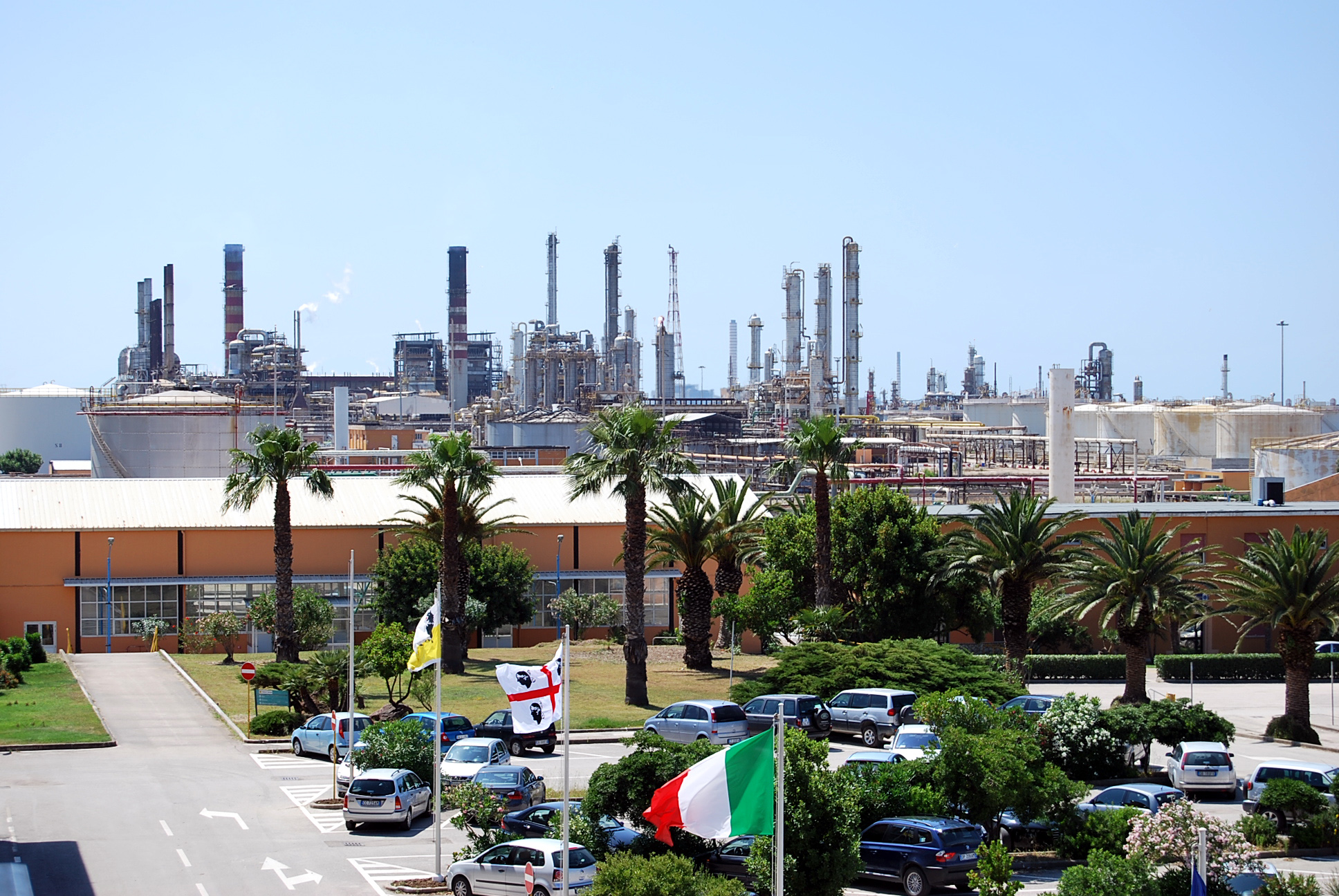
L’adozione di misure ”market pull” che incentivano la produzione e l’utilizzo di prodotti biodegradabili da materie prime rinnovabili ha dato vita ad importanti investimenti in tecnologie innovative e bioraffinerie (come quella di Porto Torres gestita da Matrìca, la joint venture tra Versalis-Eni e Novamont attiva nel campo della chimica verde, nella foto) e sta generando ricadute positive per l’intera società in termini di riduzione dei rifiuti e di introduzione di criteri di sostenibilità nelle scelte di consumo dei cittadini. Attraverso la presentazione dell’esempio italiano, la conferenza intende dimostrare che l’efficienza delle risorse non rappresenta soltanto un’esigenza strategica per l’Europa, ma anche una vera e propria opportunità dal punto di vista economico, capace di rilanciare la crescita in aree affette da profonda crisi.

Continue reading