Martin Schnee, Breslin AG: “Investments into alternative sources might be re-thought”

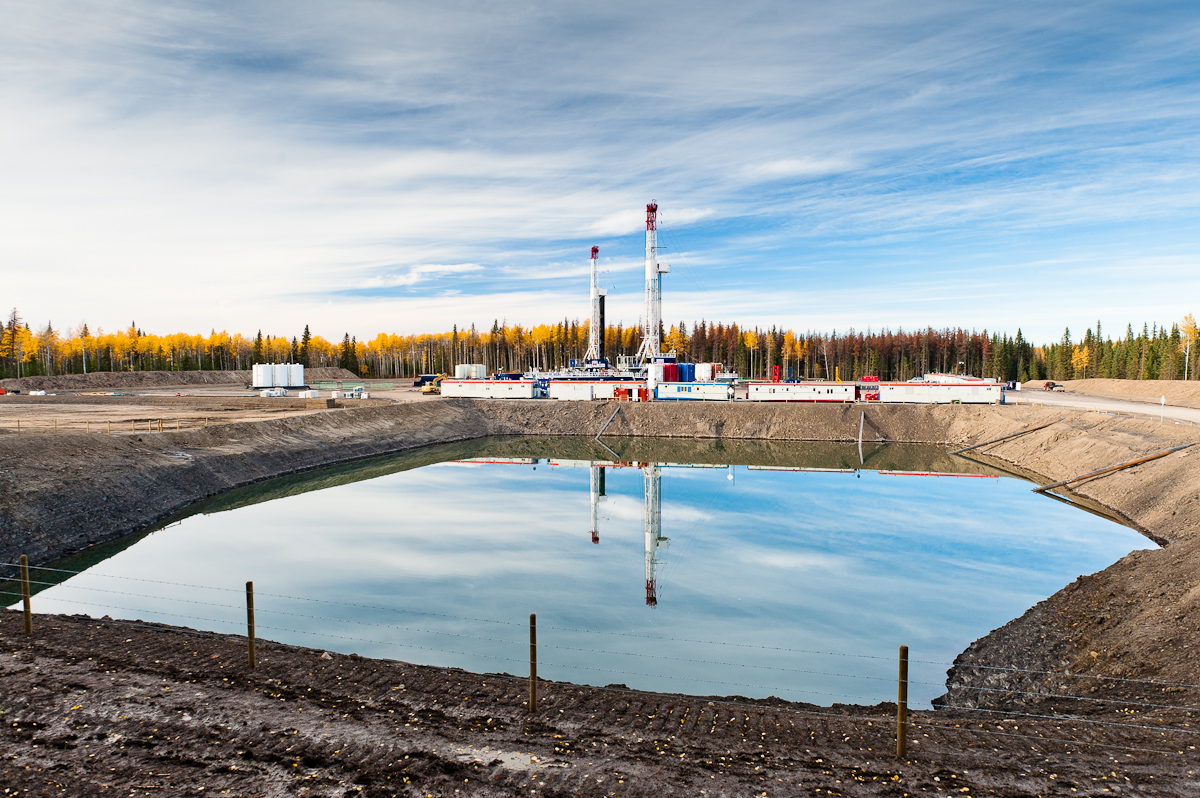
shale gas in usa“Shale gas might be a game changer by bringing gas, coal and finally oil prices down. And cheap oil will no drive industries to make high investments into alternative raw materials”. To say it is Martin Schnee, partner of Breslin, one of the most important transaction strategic advisory companies in Europe in the field of bioeconomy, with offices in Zurich, London, Frankfurt am Main and Munich. In the context of the development of the bioeconomy, Schnee warns against the increasingly important role played by shale gas, a natural gas that is found trapped within shale formations. Shale gas has become an increasingly important source of natural gas in the United States since the start of this century, and interest has spread to potential gas shales in the rest of the world. In 2000 shale gas provided only 1% of U.S. natural gas production; by 2010 it was over 20% and the U.S. government’s Energy Information Administration predicts that by 2035, 46% of the United States’ natural gas supply will come from shale gas. Schnee speaks with us about bioeconomy from an investment point of view, considering that “alternative energy and biomaterials from alternative sources might make a large contribution to Europe’s future growth”.

Interview by Mario Bonaccorso

Continue reading

Versalis and Genomatica together for the production of butadiene from non-food biomass

versalis-genomatica.jpgVersalis (Group Eni) and Genomatica announced the signing of a definitive joint development and licensing agreement to establish a technology joint venture for bio-based butadiene.
The two companies will work together to develop a complete ”end-to-end’ process for the production of butadiene from non-food biomass.
The resulting process will be licensed across Europe, Asia and Africa by the newly-created joint venture. Future Licensees of the process, including Versalis, will provide the capital required for the construction and operation of their own plants, and be responsible for the use and sale of the resulting butadiene.
Versalis will provide over $20 million in funding to Genomatica to support development of the integrated end-to-end process. It will also aim to be the first to license the process and build commercial plants.

 
Continue reading

UK’s Biome Bioplastics to investigate new source of organic chemicals for bioplastic manufacture

wood in ukThe UK’s innovation agency, the Technology Strategy Board, has awarded a grant to a consortium led by Biome Technologies, to investigate a bio-based alternative for the oil derived organic chemicals used in the manufacturer of bioplastics.

The research will be undertaken by the group’s bioplastic division Biome Bioplastics, one of the UK’s leading developers of natural plastics, in conjunction with the University of Warwick’s Centre for Biotechnology and Biorefining.

The £150,000 grant (approximately 215,000 €) is part of the Technology Strategy Board’s ‘Sustainable high value chemical manufacture through industrial biotechnology’ technical feasability competition, which funds projects that apply sustainable bio-based feedstocks and biocatalytic processes in the production of chemicals.

Continue reading

New enzyme reduces the cost of cellulosic sugar production for biofuels and bio-based chemicals

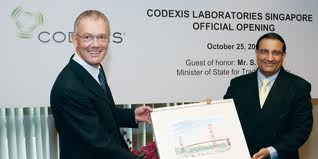
codexis in singaporeCodexis, Inc., a developer of engineered enzymes for pharmaceutical, biofuel and chemical production, announced during the World Biofuels Conference in Rotterdam (The Netherlands) the launch of CodeXyme 4 and CodeXyme 4X cellulase enzyme packages for use in producing cellulosic sugar for production of biofuels and bio-based chemicals.

Codexis’ latest generation of advanced cellulase enzymes, CodeXyme4 for dilute acid pretreatments and CodeXyme 4X for hydrothermal pretreatments, exhibits excellent performance, converting up to 85% of available fermentable sugars at high biomass and low enzyme loads. Combined with high strain productivity using the CodeXporter enzyme production system, this allows for a cost-in-use that the company believes will be among the lowest available once in full-scale commercial production.

Continue reading

Marine animal tunicates as a renewable source of biofuel

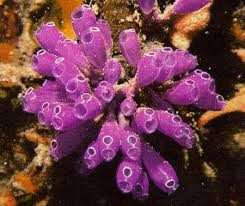
tunicatesA group of researchers at the University of Bergen (UiB) and Uni Research (Norway) – engaged in research and development in the fields of marine biology, the environment, climate, petroleum, culture and the social sciences – have found that a certain type of tunicate – ascidiacea – can be used as a renewable source of biofuel and fish food. This is particularly good news for the growing aquaculture industry, which for years has struggled to find enough quality feed for its fish. There also is the prospect of reducing emissions from traffic.

It is the cellulose, the protein, and the Omega-3 fatty acids in the ascidiacea that is the cause for its many uses. Its mantle consists of cellulose, which is a collection of sugars. When cellulose is cleaved, one can obtain ethanol. And ethanol can be used for biofuel in cars. The animal’s body consists of large amounts of protein and Omega-3. This can be used for fish feed, says professor Eric Thompson at UiB’s Department of Biology.

Continue reading

Guayule-based natural rubber materials for Pirelli’s tire production

pirelliVersalis (Eni) and Pirelli have entered into a Memorandum of Understanding (MoU) to kick off a joint research project for the use of guayule-based natural rubber in tire production.

The research project will run over a period of three years. On an exclusivity basis, Versalis will provide an innovative range of guayule-based natural rubber materials, while Pirelli will carry out trial tests to validate the performance of the materials for tire production.

As soon as new industrial quantities become available, Versalis will supply Pirelli with guayule-based natural rubber to complement the current set of synthetic rubber that Versalis is already supplying to Pirelli for the production of conventional tires.


Continue reading

KLM: first flight on biofuels to New York City

klm-biofuel-flight.jpgAfter a series of flights between Schiphol and Paris, Dutch airlines KLM operated its first transatlantic flight on used cooking oil to New York City. The company announced late last week that Thursday’s Flight KL642 flight from John F. Kennedy Airport to Schiphol was made using biofuel, and confirmed the weekly flight will now continue to use the biofuel. The flight between Amsterdam and New York is scheduled to fly every Thursday in the coming 25 weeks.

The Dutch company began to test flights using biofuels in 2009. KLM started with 200 flights between Amsterdam and Paris. Last year, KLM operated its first intercontinental flight on used cooking oil to Rio de Janeiro. On 23 November 2009, KLM operated the world’s first demonstration flight with passengers on board using biofuel. On this flight, one engine ran on a mix of 50% biofuel made from camelina (huttentut). On 29 June 2011, this was followed by the first commercial flight on biokerosene from Amsterdam to Paris with 171 passengers on board. The biokerosene used on this flight was made from recycled cooking oil supplied by SkyNRG. In September a series of flights were operated on this route. With these flights KLM is demonstrating more sustainable operations really are possible.

Continue reading

New Zealand meat-based bioplastics in commercial use by 2016

university of waikatoAduro Biopolymers, a natural resource materials and biopolymer company based in Hamilton, New Zealand, hopes to see its meat-based bioplastic, called Novatein, in commercial use by 2016 or 2017. The company, that is a spin-out of the University of Waikato, has announced it has secured investment from Wallace Corporation, by volume New Zealand’s largest service rendering business, processing a variety of co-products from the meat processing industry.

Aduro was formed to develop and market materials and biopolymers for use in the manufacturing sector and is currently developing a novel material based on an unconventional idea; turning bloodmeal into bioplastic.

Continue reading

The Canadian government plans to end its subsidy for production of biofuels in 2017

air canadaThe Canadian government plans to end its subsidy for production of biofuels when its current program ends in 2017, a newspaper reported last Saturday. “The Globe and Mail” quoted a letter from Natural Resources Minister Joe Oliver to the biofuels industry on Thursday explaining that Ottawa needed to cut spending to tame its deficit.

Oliver said that the ethanol industry now produces the necessary volume of renewable fuel for Canada to meet its target of 5 percent ethanol in the country’s gasoline supply, the newspaper reported.

But the minister also noted that the Canadian biodiesel industry had been unable to produce enough of that fuel, forcing some refiners to import to meet a 2 percent biodiesel target.

Continue reading

Bioplastics made from algae: Cereplast incorporates Algaeplast

cereplastNew transaction in the field of bioplastics. Cereplast, a leading US manufacturer of proprietary biobased, compostable and sustainable bioplastics, that since 1996 has the exclusive North American distribution rights to Novamont’s Mater-Bi resins, has announced the incorporation of a new wholly owned subsidiary, Algaeplast, Inc.

Algaeplast’ s focus will be the development and manufacture of algae-based bioplastics. Cereplast has been a pioneer in algae-based plastics, helping to bring the first products made from Cereplast Algae Bioplastics grades to market in 2011, and with the recent commercialization of Biopropylene 109D in December of 2012.

Cereplast introduced the concept in late 2009, with a target of reaching a bioplastic made from 50% algae bio-content. Algaeplast’s ultimate goal is to bring to market new polymers made from 100% algae content. Recently, the Company commercialized small quantities of Biopropylene 109D, a compound with 20% post-industrial algae biomatter. The research and development team is currently developing a grade with a higher percentage of algae bio-content. Based on customer interest, the company has determined that the demand for bioplastics made from algae is significant, and therefore has created Algaeplast, which will focus on this new sector. Algaeplast has been created to develop a new monomer and polymers made from algae.

Continue reading