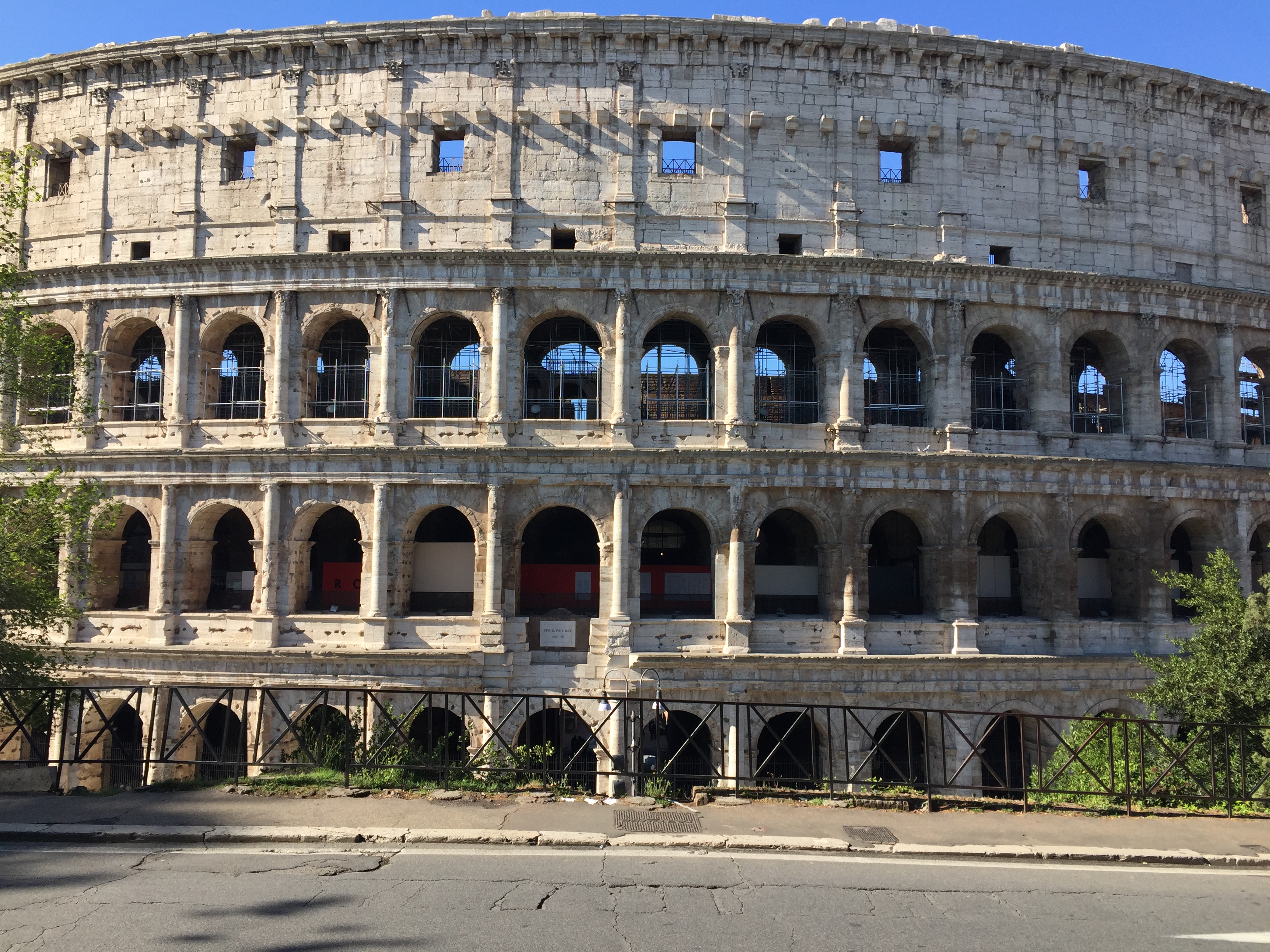
Rome is today and tomorrow the cradle of the Industrial Renaissance led by the circular bioeconomy. The Eternal City is the world capital of the bioeconomy. The International Forum on Industrial Biotechnology and Bioeconomy (IFIB) is taking place here.
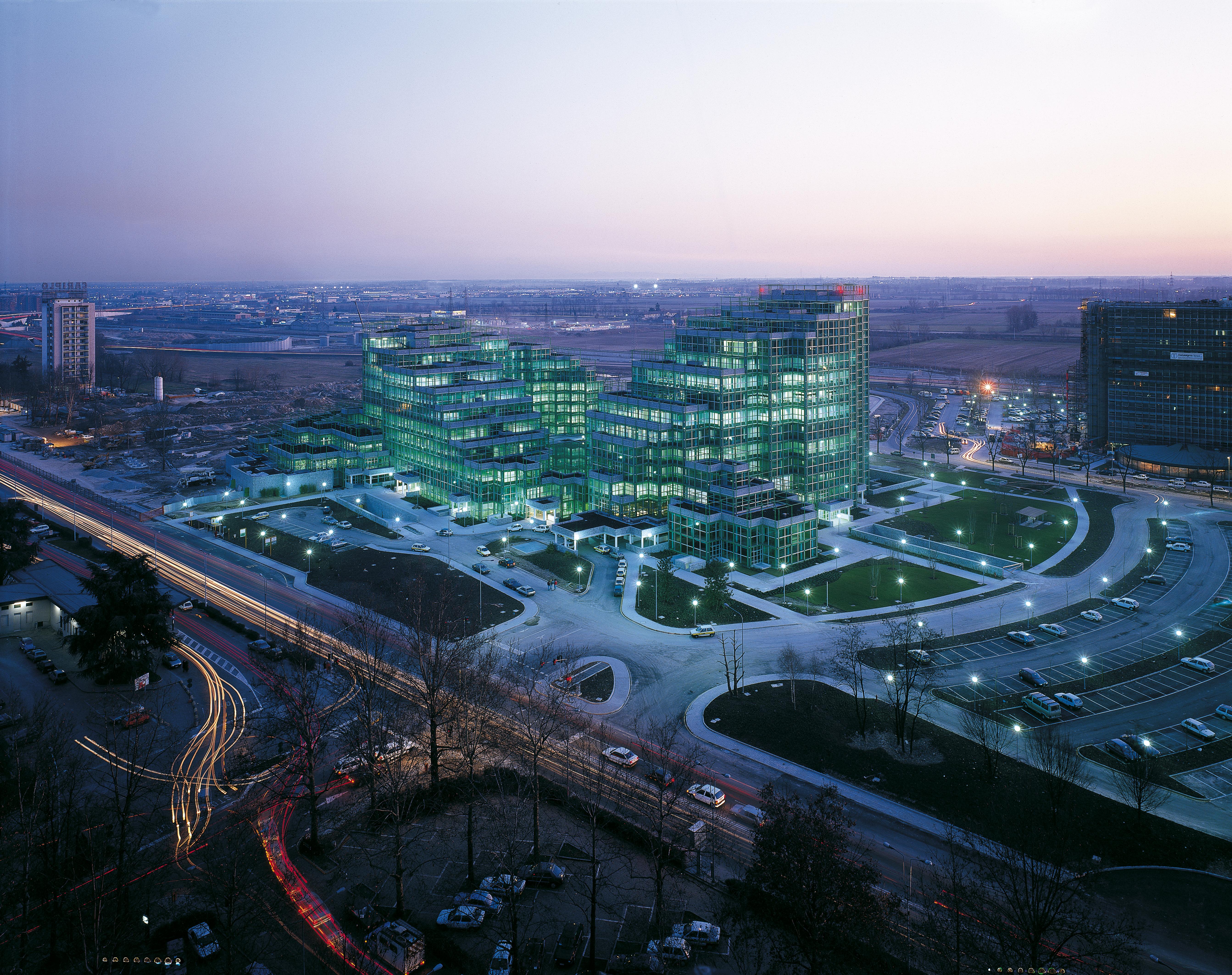
During the 2026 Formula 1 Italian Grand Prix in Monza, Eni and PETRONAS signed a Feasibility Agreement (FA) to evaluate the development of innovative high-performance bio-gasoline starting from the established Ecofining™ technology process, through which Eni has been producing HVO biofuels from renewable raw materials since 2014. The aim of the agreement is to assess the technical, market, and sustainability profiles, as well as the performance levels of new bio-gasolines from renewable raw materials, that can be used in motorsport competitions and subsequently applied to the development of commercial products.
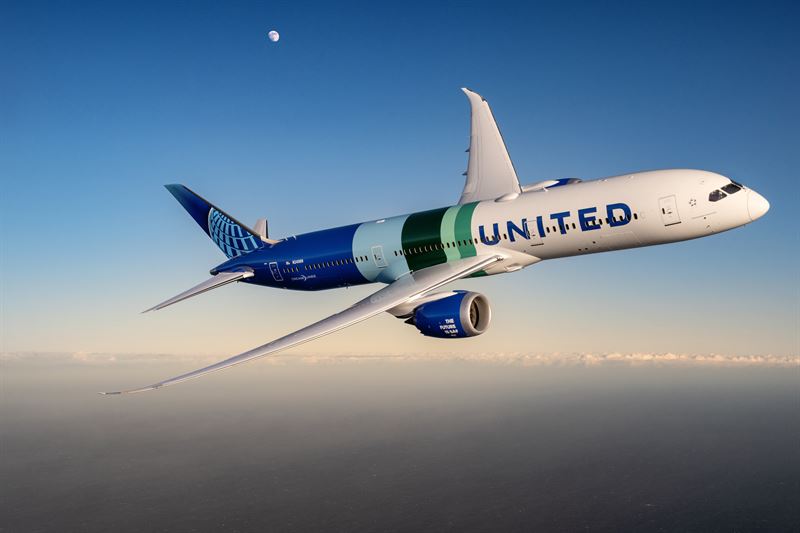
Neste and United Airlines extended their existing agreement on the supply of sustainable aviation fuel (SAF) blended with conventional jet fuel to flights departing Chicago O’Hare International Airport in the United States and Amsterdam Airport Schiphol in the Netherlands. The extension of the agreement reinforces the long-term, strategic collaboration between Neste and United, highlighting a shared ambition of contributing to greenhouse gas (GHG) emissions reduction from aviation through the deployment of SAF.
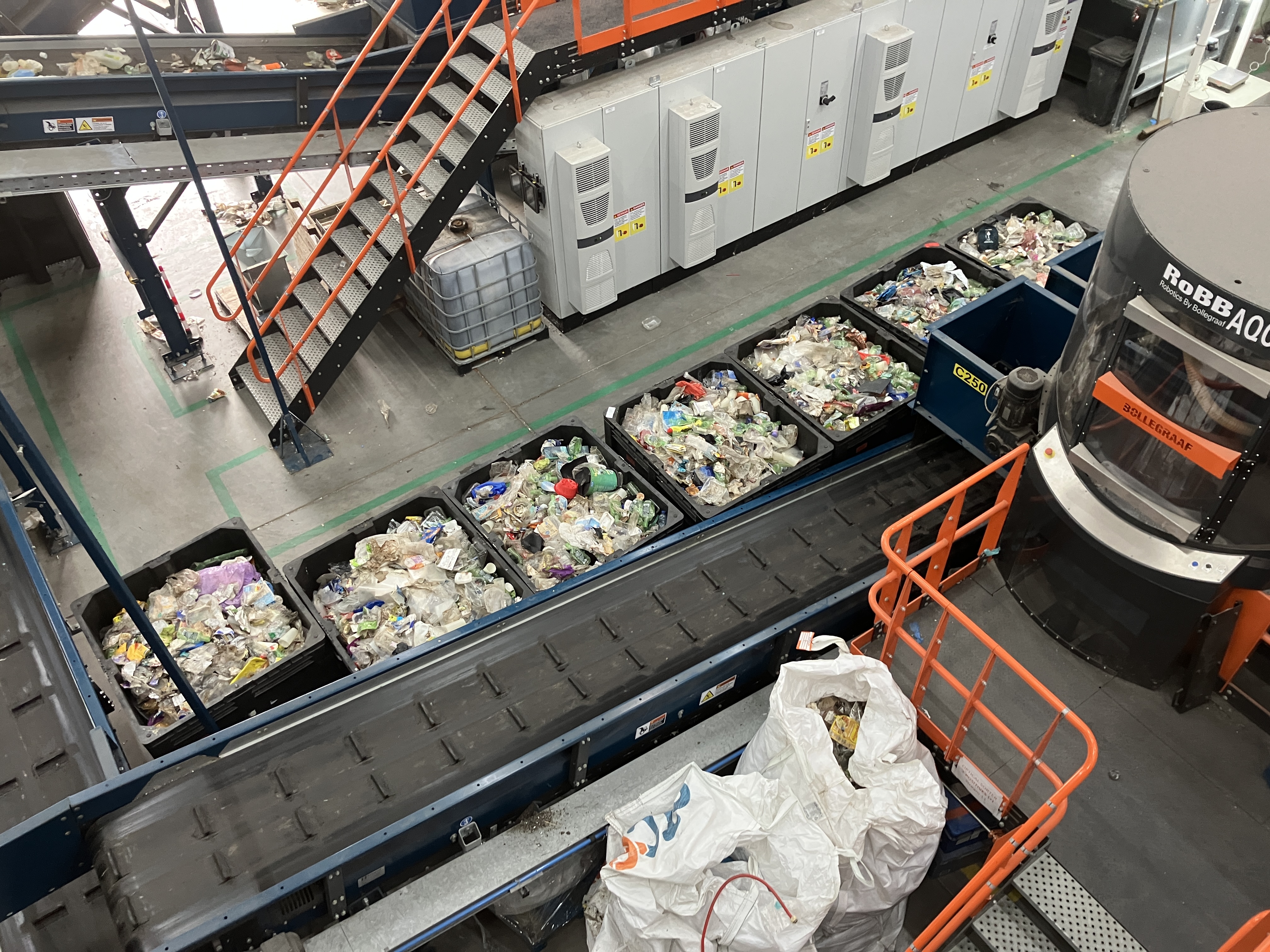
The EU-funded ReBioCycle project has demonstrated that PLA bioplastics can be recycled from mixed plastic waste and returned to virgin-quality material, marking a significant step toward circular packaging in Europe. The consortium confirmed that PLA can be effectively sorted from mixed plastic waste streams using existing technologies, before being chemically broken down into lactic acid and rebuilt into high-quality PLA with properties equivalent to virgin material.
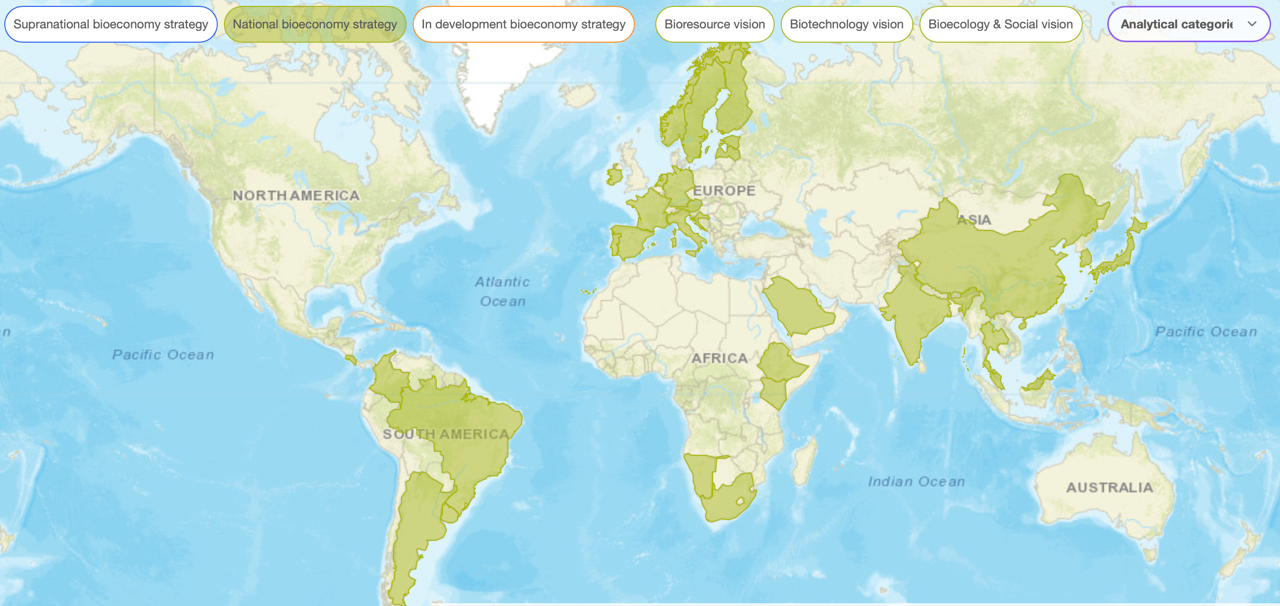
The bioeconomy is going global. But countries are not building the same bioeconomy. Across 30 national strategies, governments are looking to biological resources, biotechnology and biological production systems to support economic development, industrial transformation and sustainability. Yet behind the common term bioeconomy lie markedly different strategic choices.
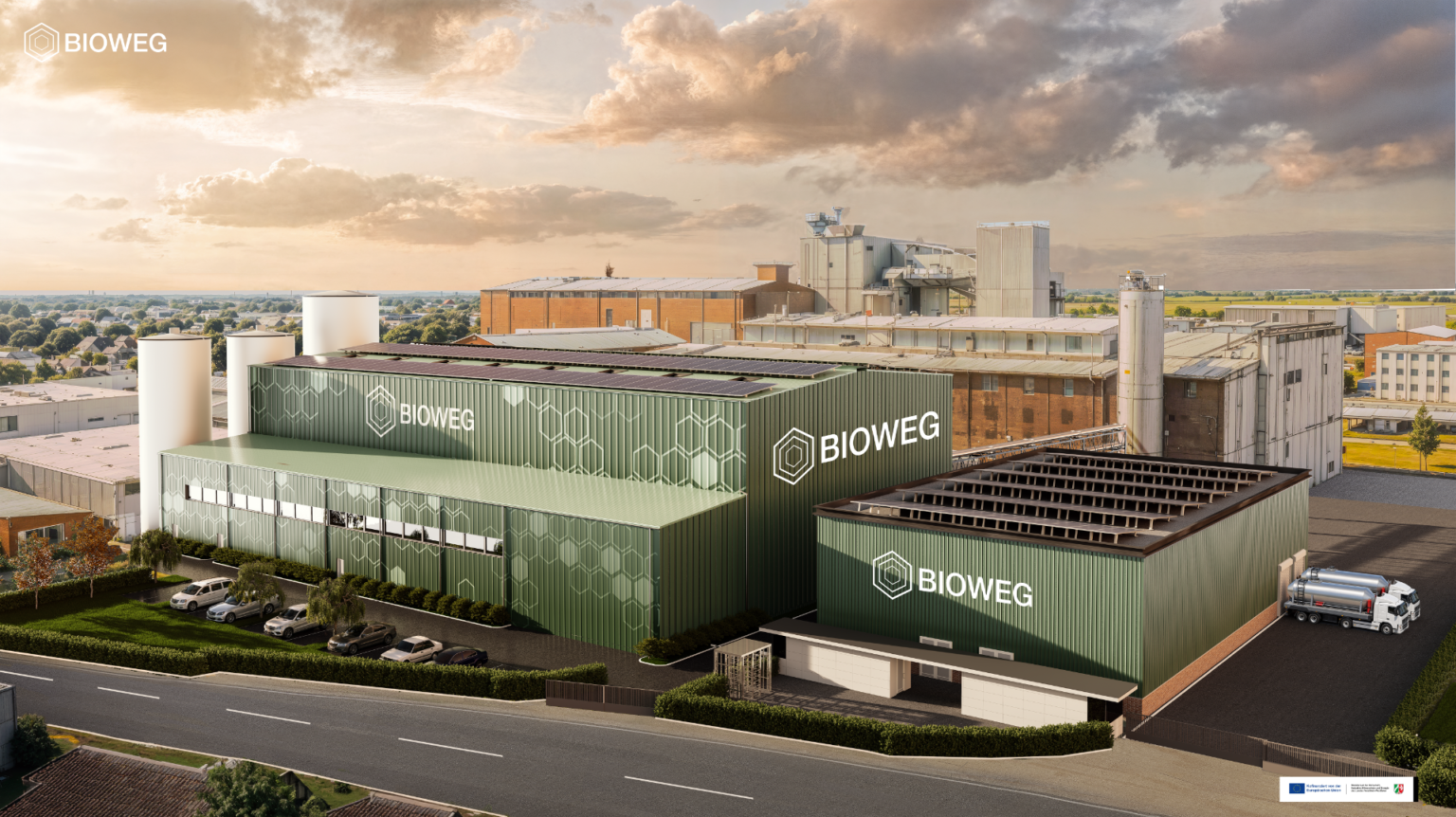
BIOWEG, the German deeptech company producing high-performance, biodegradable bacterial cellulose to replace fossil-based polymers and intentionally added microplastics, will begin construction of Europe’s largest bacterial cellulose production plant in Q4 2026. The first-of-a-kind facility, located in Elsdorf, North Rhine-Westphalia, will produce up to 10,000 tonnes a year, with first commercial volumes expected in 2028 — bringing onshore production of a material that Europe today almost entirely imports.
CEO Tom Van Aken and Her Majesty Queen Maxima. Source: Avantium
Avantium N.V., a leader in renewable and circular polymer materials, and Sukano AG, a global specialist in additive and colour masterbatches for polyesters, biopolymers, and specialty resins headquartered in Switzerland, has signed a capacity reservation agreement for Avantium’s PEF (polyethylene furanoate), marketed as releaf®. Masterbatches are specialty additive and colour concentrates that improve plastics performance during manufacturing and amplify its properties in multiple end-use applications. The agreement builds on the collaboration and conditional offtake agreement the two companies entered into in 2022 to develop masterbatches for PEF and marks a further step toward the commercial adoption of releaf® across a broad range of packaging, consumer goods and specialty applications.
The Finnish company is investing 24 million € in a new production line for Muoto food packaging in Äänekoski, Finland. Metsä Group’s Muoto™ products can be used instead of plastic in food packaging for applications that are more demanding, for example. As for Metsä’s other innovation projects, the development of the lignin product and carbon capture is continuing as planned, but the conditions for the Kuura textile fibre project are estimated to have changed significantly due to the global market situation.
On October 1-2, Rome, Italy, will be the center of gravity of world bioeconomy. The Italian city capital will host the International Forum on Industrial Biotechnology. IFIB will be held at the WeGil hosted by Lazio Innova and Lazio Region. With more than 200 delegates in attendance from approximately 25 different countries from all around the world, also thanks to a partnership with the Italian Trade Agency, the conference truly succeeds one more time in its ambitions aim to be one of the leading bioeconomy events at global level.
A high-level delegation led by Varawut Silpa-archa, Minister of Industry of Thailand, visited NatureWorks’ manufacturing site at the Nakhon Sawan Biocomplex (NBC). The visit – the American company claims – follows the successful inauguration of the site on April 29, 2026, and highlights the role of public-private collaboration in advancing Thailand’s sustainable industrial development and bioeconomy ambitions.