EU Commission steps up action on Europe’s bioeconomy

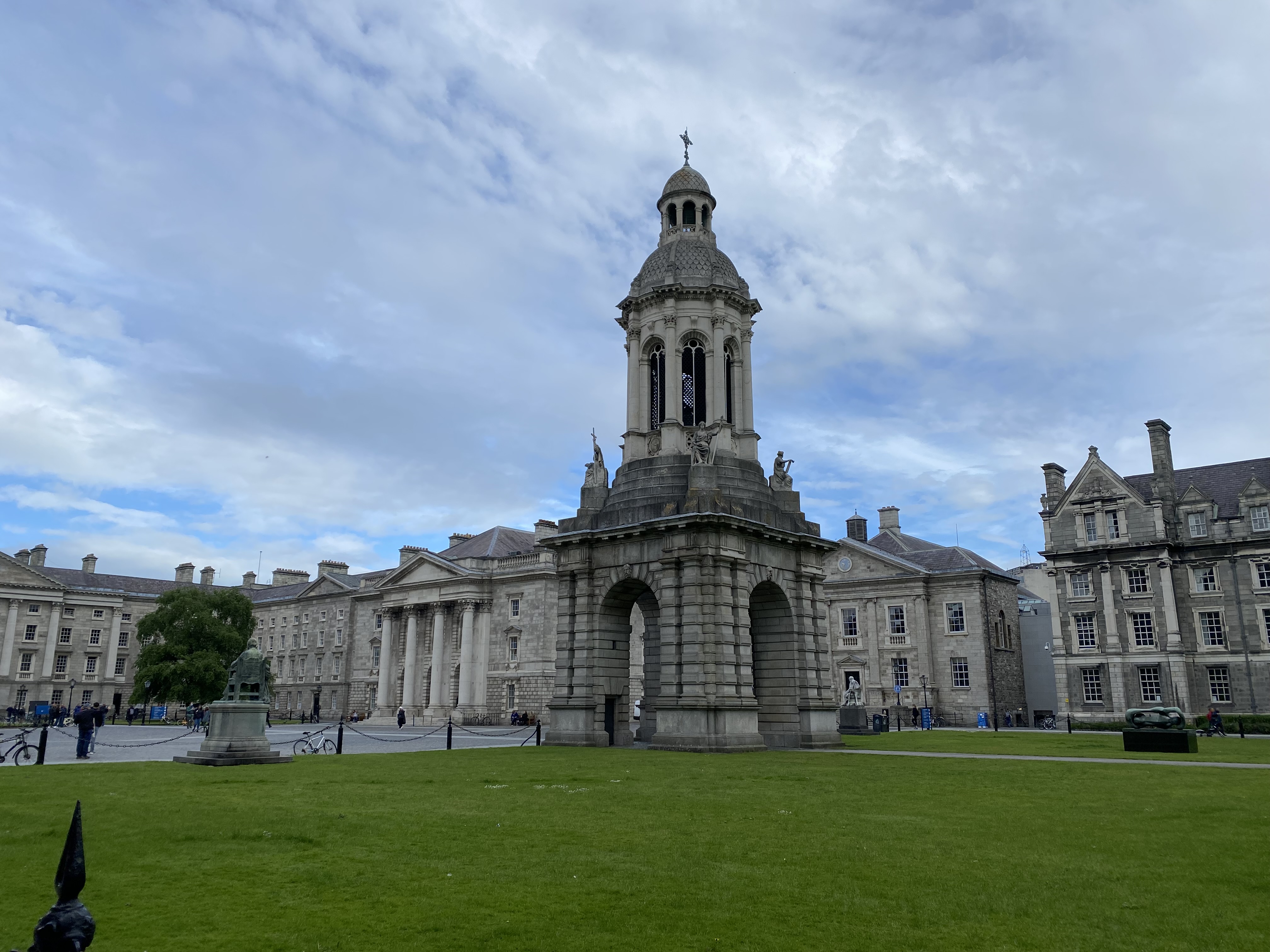
Berlaymont, European Commission’s Headquarter in Brussels

The European Commission is stepping up the implementation of the EU’s Bioeconomy Strategy by launching three complementary initiatives. This includes the Bio-based Europe Alliance (BEA) to support market scale-up, the Bioeconomy Investment Deployment Group (BIDG) to improve access to finance, and the Expert Group on Bioeconomy to support implementation by Member States. As part of this, a new call for expression of interest to participate in the BEA was launched on Wednesday 10 June. It aims to address gaps across the value chain that prevent companies from scaling up and reaching full market deployment of bio-based materials and products. 

Continue reading

Today the second edition of the BioINSouth Forum get started in Seville

Seville in Spain is hosting the second edition of the BioINSouth Forum. The Andalusian city is for a couple of days the Mediterranean capital of bioeconomy, thanks to the forum that is bringing together leaders and experts from various sectors and disciplines from South Europe and beyond. Today they are discussing and outlining the R&I priorities in bioeconomy, in conjunction with the particularities of the South European regions, asking for a new political EU Initiative: BioSouth. If there is a BioEast it’s also needed a BioSouth to enlarge and boost the European bioeconomy.

Continue reading

FAO event showcases practical bioeconomy approaches across Europe and Central Asia

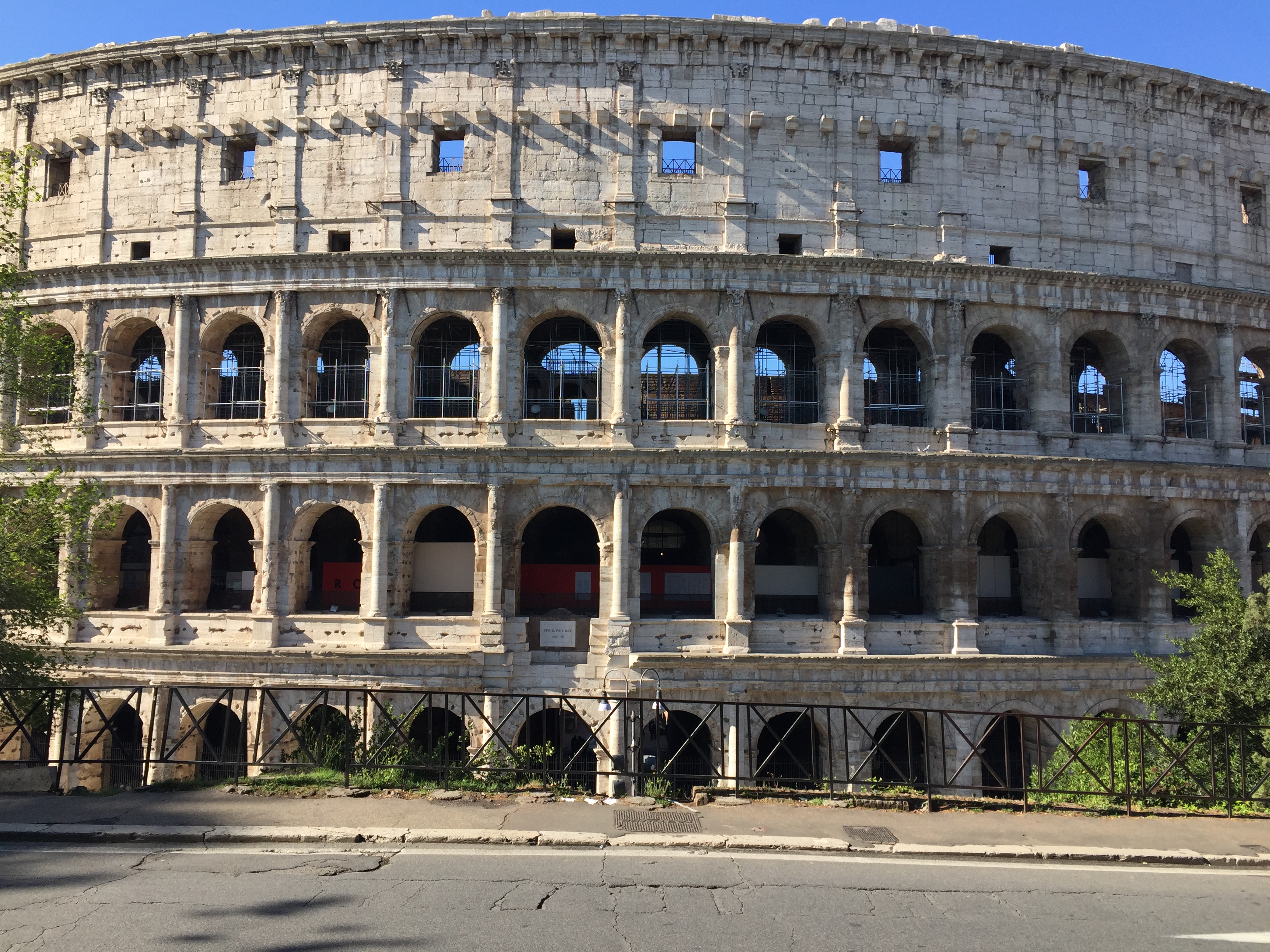
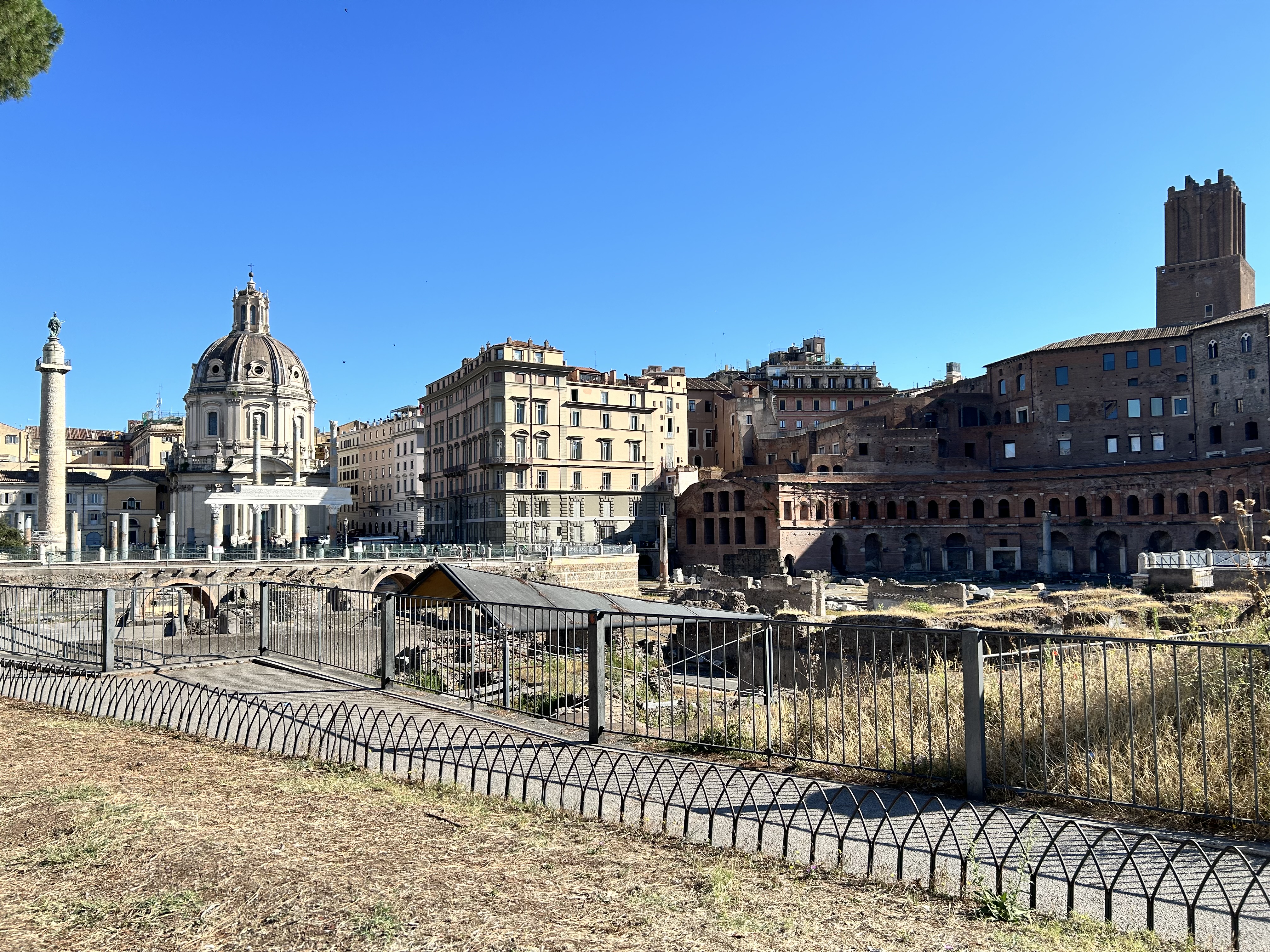
Fountain of Trevi in Rome (headquarter of FAO)

A virtual event organized by the Food and Agriculture Organization of the United Nations (FAO) on 28 May showcased practical, scalable solutions from across Europe and Central Asia, highlighting how circular bioeconomy approaches in agriculture can drive innovation, support sustainable development and help translate commitments into concrete action on the ground.

The event marked the launch of the publication “Case studies promoting bioeconomy through agricultural practices in Europe and Central Asia”, which presents examples of sustainable and circular agricultural practices already being implemented across the region.

Continue reading

EESC: “The EU needs a strong and coherent bioeconomy strategy”

The EU needs a strong and coherent bioeconomy strategy grounded in strict sustainability safeguards, circular design, and reduced resource use, ensuring competitiveness and climate goals remain within planetary boundaries. It must also clearly define the societal value of the bioeconomy. In its opinion, ‘EU Bioeconomy Strategy: Towards a Circular, Regenerative and Competitive Bioeconomy’, adopted on 29 April, the European Economic and Social Committee (EESC) emphasised that Europe is a resource-constrained and highly import-dependent continent. It relies on fossil fuels and raw materials in an increasingly tense geopolitical situation. At the same time, overexploitation of natural resources is one of the main causes of ongoing biodiversity loss.

Continue reading

Bangladesh secures support for Asia-Pacific bioeconomy transition

A Bangladesh-sponsored resolution on sustainable bioeconomy has been adopted by consensus at the 82nd session of the United Nations Economic and Social Commission for Asia and the Pacific (UNESCAP). The resolution, titled “Supporting the transition towards a sustainable bioeconomy in countries in Asia and the Pacific”, reflects strong support from member states across the region, according to a press release issued by the Bangladesh Embassy in Bangkok.

Continue reading

Europe’s new platform to help unlock funding for a bio-based future

Berlaymont, European Commission’s Headquarter in Brussels

A new Bioeconomy Investment Group is being set up to help Europe’s sustainable industries secure the funding they need to grow. The group aims to reduce financial risks for investors, create clear funding standards, and bring together public and private money. Despite already supporting 17 million jobs and generating up to €2.7 trillion in economic value, many innovative bio-based projects struggle to secure financing at critical stages, such as moving from small-scale testing to full industrial production. This funding gap risks holding back Europe’s ability to turn scientific breakthroughs in biotechnology and sustainable materials into real-world industries.  

Continue reading

An interview with Philippe Mengal, executive director of BIC. “The bioeconomy is not just about replacing fossil carbon. It is about redefining Europe’s place in the global economy.

“The real question is where Europe can lead. To answer that, we need a sharper understanding of end markets and stronger market-pull policies to drive uptake of bio-based products. Scaling innovation requires demand, and demand must be actively supported through policy. Ultimately, the bioeconomy is not just about replacing fossil carbon. It is about redefining Europe’s place in the global economy.” To say this – in this exclusive interview with Il Bioeconomista – is Philippe Mengal, the new executive director of BIC (Biobased Industries Consortium).

Interview by Mario Bonaccorso

Continue reading

Brussels will host the European High-Level Conference on Biosolutions on May 12

The new edition of the European High-Level Conference on Biosolutions will be held in Brussels on May 12. This will be an opportunity to explore how biosolutions can help future-proof Europe. “At a crucial point in time for Europe, biosolutions – the organizers state – are increasingly recognised as essential for building competitiveness, resilience, and sustainability across value chains. This annual high-level conference is your chance to learn about the latest innovations, policy initiatives, regulatory trends, and collaborative opportunities – helping to shape the direction of biosolutions in Europe.”

Continue reading

Brazil has a new strategy to make biodiversity one of the country’s main economic assets for development by 2035

The Brazilian government last week presented a new strategy to make biodiversity one of the country’s main economic assets for development by 2035. This is according to Agència Brasil. The National Bioeconomy Development Plan (PNDBio) is expected to encompass everyone from extractive workers to industry. Among the goals are expanding payments for environmental services, incorporating new herbal medicines into Brazil’s national public health care network – the SUS – and granting new conservation units to promote ecotourism.

Continue reading

Formula 1® joins the circular bioeconomy

Formula 1® joins the circular bioeconomy. Indeed it has become an affiliate member of the Circular Bioeconomy Alliance (CBA), established by His Majesty King Charles III when he was The Prince of Wales. As a member of the CBA, Formula 1 will work together with industry experts and other CBA members to strengthen the integration of nature protection and restoration into its strategy and delivery. 

Continue reading