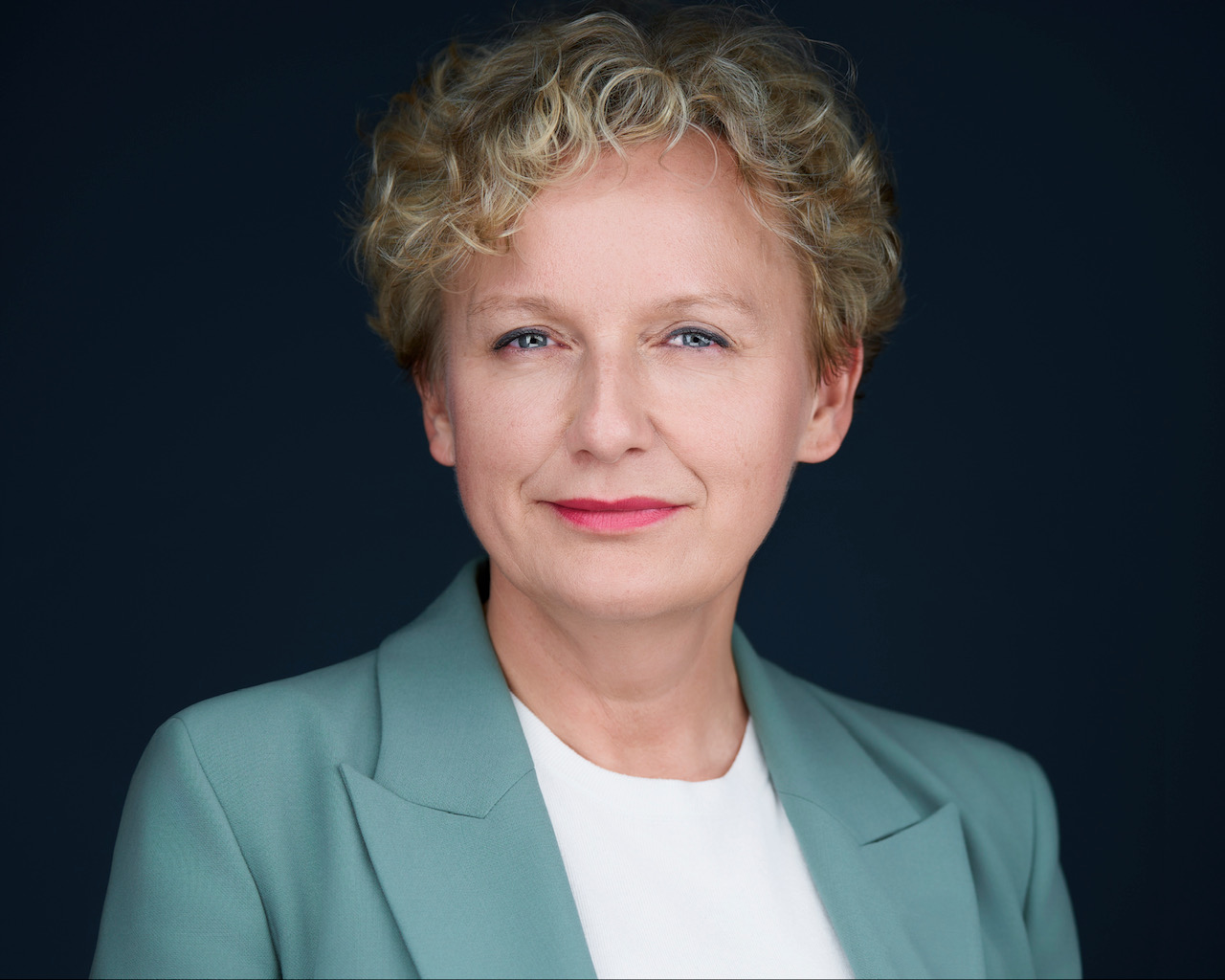
An exclusive interview with Agata Kotkowska, Deputy Head of the Bioeconomy and Sustainable Materials at EU Commission

Agata Kotkowska

“The bioeconomy is directly linked to the priorities of this Commission: competitiveness, as set out in the Competitiveness Compass; decarbonisation of industry under the Clean Industrial Deal; and economic security, by reducing dependence on imported fossil feedstocks and critical inputs. It also contributes to nature restoration and climate resilience when it is built on sustainable biomass.” To say this in this exclusive interview with Il Bioeconomista, is Agata Kotkowska, Head of the Bioeconomy and Sustainable Materials at the DG Envi of EU Commission. Kotkowska talks with us about the next steps for the European bioeconomy after the Strategy launched last year and the Global Bioeconomy Summit, which was held three weeks ago in Dublin under the Irish Presidency of UE.

Interview by Mario Bonaccorso

Continue reading →

EU Commission steps up action on Europe’s bioeconomy

Berlaymont, European Commission’s Headquarter in Brussels

The European Commission is stepping up the implementation of the EU’s Bioeconomy Strategy by launching three complementary initiatives. This includes the Bio-based Europe Alliance (BEA) to support market scale-up, the Bioeconomy Investment Deployment Group (BIDG) to improve access to finance, and the Expert Group on Bioeconomy to support implementation by Member States. As part of this, a new call for expression of interest to participate in the BEA was launched on Wednesday 10 June. It aims to address gaps across the value chain that prevent companies from scaling up and reaching full market deployment of bio-based materials and products. 

Continue reading →

Europe’s new platform to help unlock funding for a bio-based future

Berlaymont, European Commission’s Headquarter in Brussels

A new Bioeconomy Investment Group is being set up to help Europe’s sustainable industries secure the funding they need to grow. The group aims to reduce financial risks for investors, create clear funding standards, and bring together public and private money. Despite already supporting 17 million jobs and generating up to €2.7 trillion in economic value, many innovative bio-based projects struggle to secure financing at critical stages, such as moving from small-scale testing to full industrial production. This funding gap risks holding back Europe’s ability to turn scientific breakthroughs in biotechnology and sustainable materials into real-world industries.  

Continue reading →