Jukka Kantola is the founder and CEO of World Bioeconomy Forum and also the Chair of the World Bioeconomy Association. He talks with Il Bioeconomista before the next G20 which will be held in Brazil, where the circular bioeconomy will be one of the main topics. “This G20 Summit – he says – marks a pivotal moment”
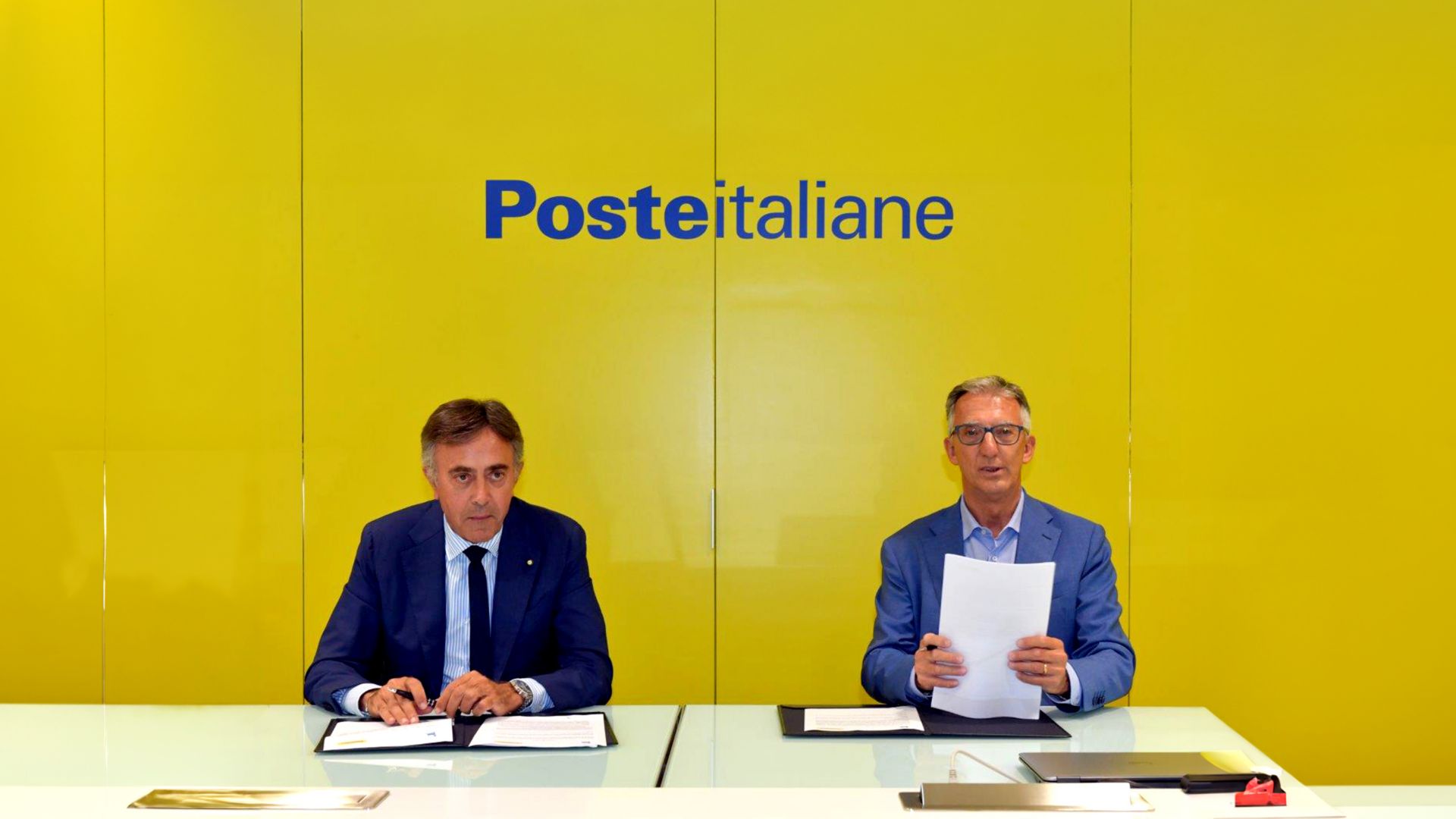
Poste Italiane’s ground and air fleet will run on biofuels supplied by Enilive, Eni’s company dedicated to mobility services and products. This will accelerate Poste Italiane’s progress towards achieving its energy transition and carbon neutrality goals set for 2030.
Stuttgart, Germany, is the first city in Europe to launch its own bioeconomy strategy. Il Bioeconomista has interviewed Dr. Max Schuchardt, who developed the bioeconomy strategy of the City of Stuttgart, and Dr. Elisabeth Saken-Braunstein, who is leading the bioeconomy team at the Ministry of Environement, Climate and Energy and the strategic development of the urban and industrial bioeconomy strategy section in the Amendment of the bioeconomy strategy of Baden-Württemberg.
Bologna, Italy, will be the capital of circular bioeconomy from 3 to 4 October. The International Forum on Industrial Biotechnology and Bioeconomy (IFIB) will be held in this beautiful city this year at the Golinelli Foudnation.
Avantium N.V., a leading company in renewable and circular polymer materials, started a strategic collaboration with leading textile innovators Auping, Monosuisse and Antex. This partnership – the Dutch company states – aims to develop PEF-based yarns, to be used in mattresses for Auping. “This collaboration demonstrates the broad potential of fibers and yarns made from Avantium’s PEF across different application areas, supporting the introduction of PEF to the everyday life of consumers.”
Biofore Concept Car. Full rights owned by UPM. Photographer: Sami Kulju
UPM Biochemicals and Nokian Tyres, a leading developer and manufacturer of premium tires, are set for an industry first with its concept tire partly based on UPM BioMotion™ Renewable Functional Fillers (RFF). The partnership will launch UPM’s CO₂-negative Renewable Functional Fillers (From cradle to gate, considering biogenic carbon from UPM’s feedstock and purchasing 100% green electricity) into a new market segment and highlights the possibilities to use a lighter weight, 100% renewable alternative to traditional CO₂-intensive fillers.
Biosuccinium® used notably for the disposable cutlery (PBS). Copyright: Roquette
Roquette, a global leader in plant-based ingredients and a major supplier of pharmaceutical excipients, presented its life+nature program, aimed at renewing and strengthening its sustainability approach, and defining some ambitious targets for 2030. In the coming years, the group is committed to decarbonizing its activities by reducing its direct and indirect emissions, making its product offering more sustainable by systematically integrating eco-design, and continuing to put people at the heart of its strategy in terms of health, safety, well-being, ethics, diversity and inclusion – whether they are Roquette employees, customers, suppliers or the local communities where it operates.
The Food and Agriculture Organization of the United Nations (FAO) recently joined the National Commission on Research, Science, and Technology (NCRST) to officially launch Namibia’s very first Sustainable Bioeconomy Strategy 2024-2029. This landmark strategy, developed in collaboration with the Ministry of Higher Education, Technology, and Innovation (MHETI), represents a significant milestone as Namibia becomes the second African country to adopt a National Bioeconomy Strategy.
The Mitsubishi Chemical Group’s biomass-based polycarbonatediol (PCD) BENEBiOL was selected by Citizen Watch Co. for use in its fall/winter 2024 CITIZEN PROMASTER model. BENEBiOL™ will be used as a raw material for polyurethane for the watch band.






 IL BIOECONOMISTA