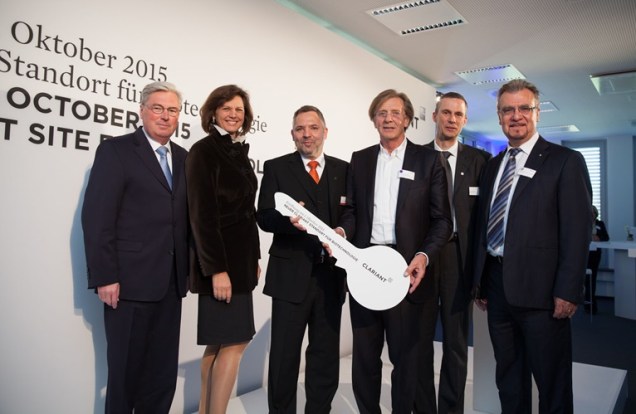
Clariant, a world leader in specialty chemicals, has signed a joint research agreement with ExxonMobil and Renewable Energy Group (REG) to evaluate the potential use of cellulosic sugars from sources such as agricultural waste and residues to produce biofuel, which has the potential to play a role in reducing greenhouse gas emissions.
The new partnership expands a previously announced agreement for joint research between ExxonMobil and REG, in which the companies successfully validated the ability of REG Life Sciences bio-conversion technology to convert sugars from cellulosic biomass into biodiesel through a single- step process.
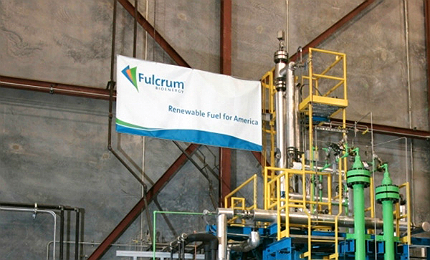 Fulcrum BioEnergy selected Gary, Indiana, for the location of its Centerpoint BioFuels Plant, which will convert municipal solid waste into low-carbon, renewable transportation fuel.

 Rubbish is about to take off, thanks to BP’s interest in turning household waste into low carbon jet fuel. The chemical process behind the technology that can turn rotting organic matter into liquid fuels has been around 100 years. But, recent developments, including the use of ‘clever baked beans cans’, have transformed its commercial potential, leading BP-backed US start-up Fulcrum Bioenergy to use it to produce biojet fuel.

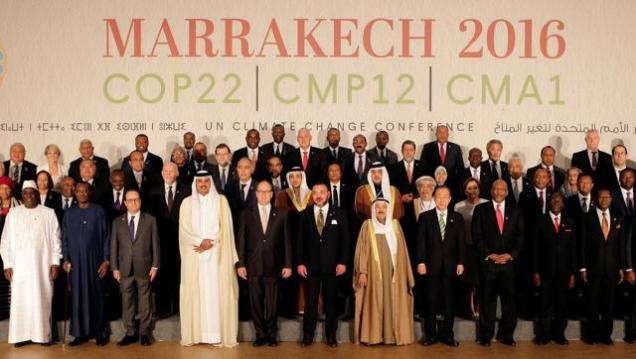 Ahead of the UN Climate Conference in Bonn, COP 23, 6-17 November, the Irish company Europe Renewables Ltd and UN Climate Change have partnered to boost the deployment of biofuels in the transport sector.
 The U.S. bioeconomy moves forward (despite of Trump). The University of Arizona has received a five-year grant of up to $15 million from the U.S. Department of Agriculture’s National Institute of Food and Agriculture to lead a new center focusing on the mass production of biofuels and bioproducts in the Southwestern U.S.
 IL BIOECONOMISTA