The Mossi Ghisolfi Biorefinery in Crescentino, Italy
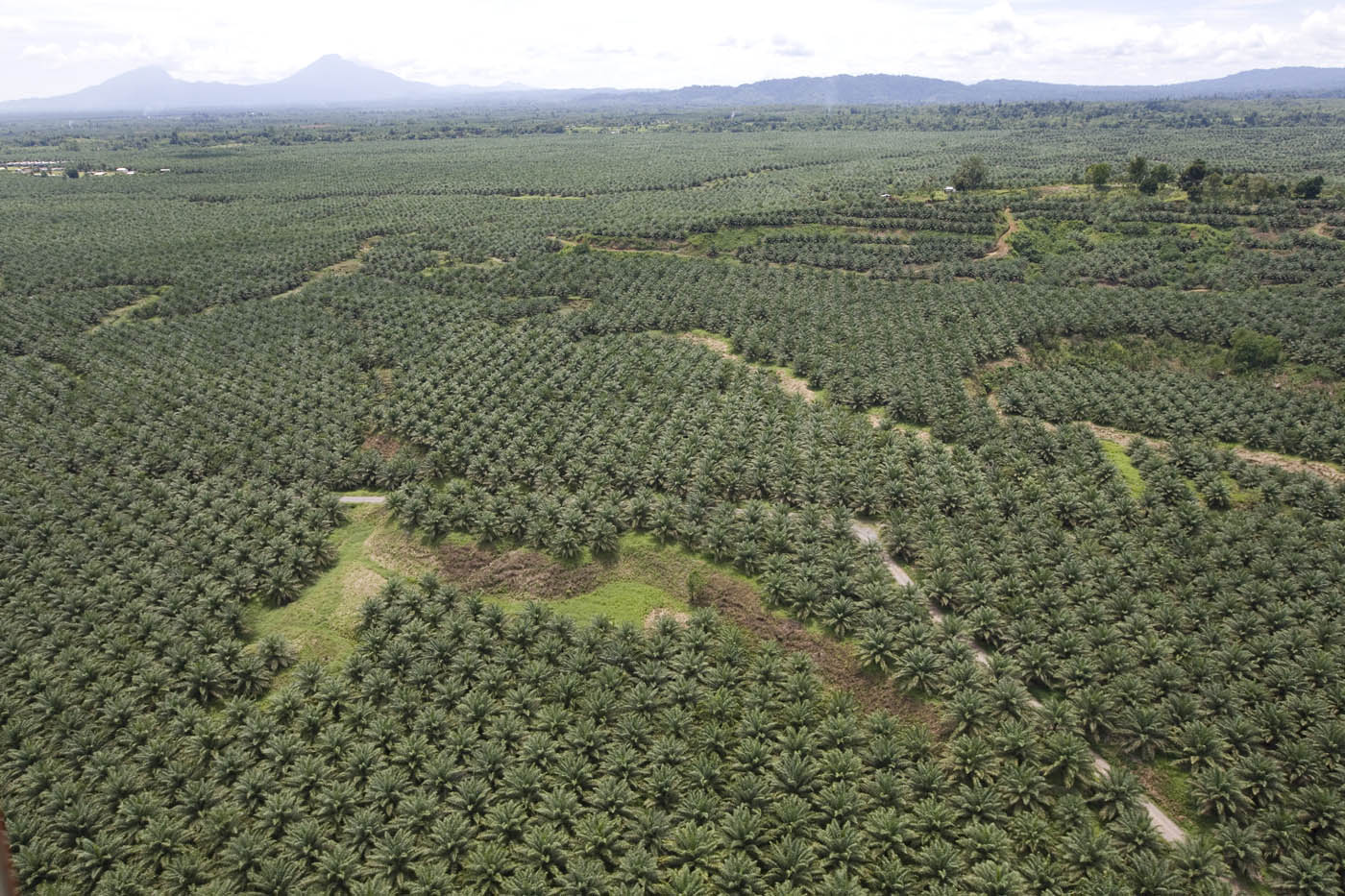
The next economic development of Malaysia will be biobased. Brooke Renewables and Hock Lee Group – which has experience in manufacturing of industrial glue and plywood and has investment in oil palm plantation – have presented a Letter of Intent (LOI) to the state government, marking their intention to invest in the 2G (second generation) bioethanol and biochemical plant as the first phase of the Sarawak Biomass Hub project.
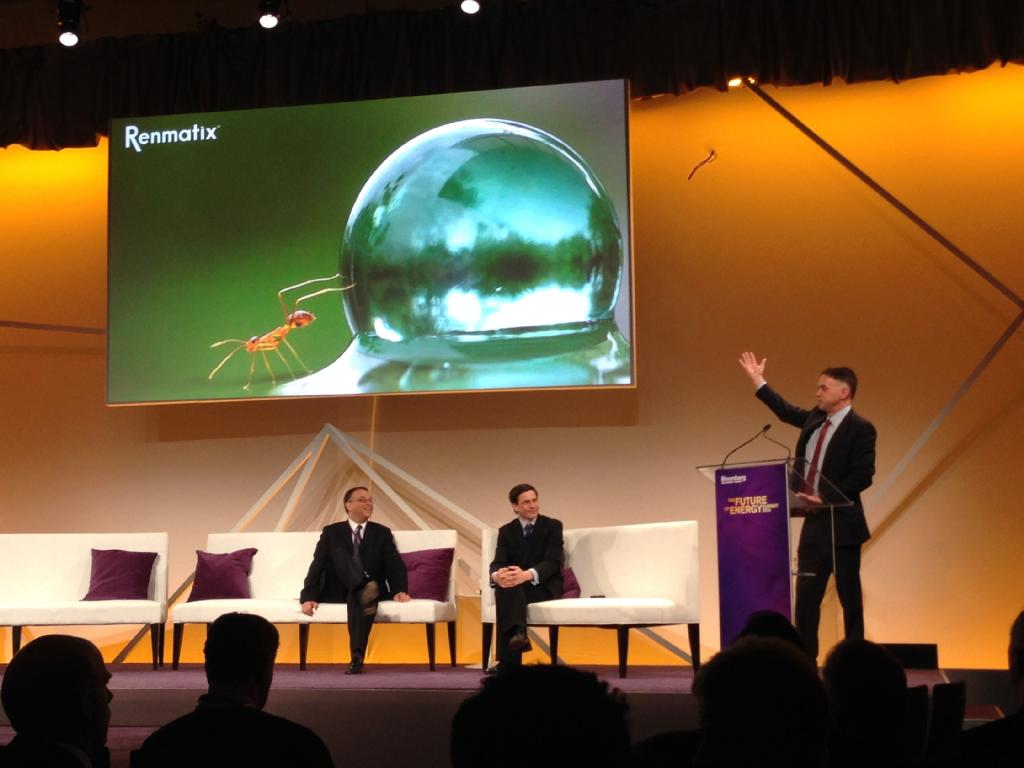
“We see Europe as leading the way in bio-based innovation. There is a much closer lens on renewable chemistry from consumers in the EU, which compels companies to act faster. In general, European corporations tend to be more progressive and take more of a longview perspective than those in the US”. To say it, in this exclusive interview with Il Bioeconomista, is Mike Hamilton, Ceo of Renmatix, a company based in Philadelphia (Pennsylvania, US), which is the leading technology licensor for the conversion of biomass into cellulosic sugar, an enabling feedstock for petroleum alternatives used in the global biochemical and biofuels markets. The company’s proprietary Plantrose process challenges conventional sugar economics by cheaply converting cellulosic biomass – from wood waste to agricultural residue – into useful, cost-effective sugars. With Hamilton we talk about Renmatix, Plantrose technology and bioeconomy.
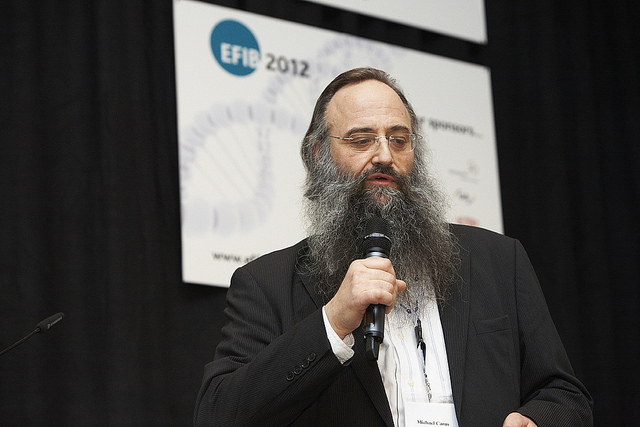
Michael Carus, managing director of the nova-Institut
The European Union will need a new political framework for rolling out its bio-based economy by 2020 at the latest. The existing framework does not create sufficient market pull for implementing innovative, bio-based technologies. To say it are Michael Carus, Lara Dammer and Roland Essel in the latest policy paper of nova-Institute “Options for Designing a New Political Framework of the European Bio-based Economy – nova-Institute’s contribution to the current debate”.
Headquarter of Royal DSM in Heerlen (The Netherlands)Poet-Dsm’s Project Liberty will open its doors to the public at its Grand Opening celebration on Wednesday, September 3 in Emmetsburg, Iowa, showcasing first-of-its-kind technology that is poised to dramatically expand world’s resources for transportation fuel.
M&G Chemicals announced that has entered into a Sino-foreign joint venture with Anhui Guozhen CO, Ltd. The new company – Anhui M&G Guozhen Green Refinery CO, Ltd – will employ Proesa technology licensed by Beta Renewables to convert 970,000-1,300,000 metric tons per year of agricultural residues into cellulosic ethanol, glycols and by-products such as lignin in Fuyang City (Anhui Province, PRC).
“The Malaysian bioeconomy today is worth more than USD 4.4 billion (RM14 billion) and creates over 83,000 people. As you can see, bioeconomy is an important component in creating a more sustainable future where resources are used in the most efficient way. In 2020, Bioeconomy’s contribution towards Malaysia’s Gross Domestic Product (GDP) is targeted to contribute 8%-10% from the current 2%-3%”. To say this, in this long exclusive interview with Il Bioeconomista, is Zurina Che Dir, Senior Vice President Bioeconomy Development Division of the Malaysian Biotechnology Corporation. With Mrs. Zurina Che Dir we talk about bioeconomy in Malaysia, where “the Government has identified bioeconomy as one of the key strategic drivers to elevate the nation’s socio-economic development”.
Hungary relies on the bioeconomy to grow. Its capital region has vast untapped biomass resources and R&D competencies, states a recent study on the future landscapes of bioeconomy. The paper was accomplished within the framework of the Bioeconomy platform of Climate-KIC, Europe’s largest public-private innovation partnership focused on mitigating and adapting to climate change.
The Bioeconomy platform aims to support the transition to a bio-based economy by developing an integrated, holistic approach across entire value chains from feedstock production to efficient processing and conversion, and ultimately the production and marketing of bio-based products. Along these lines the Hungarian study delivers an insight into the emerging field of bioeconomy with emphasis on the opportunities in Hungary by means of assessing natural endowments, key stakeholders and R&D infrastructure from the perspective of relevant Climate-KIC projects. The main European and global drivers as well as the basic technological knowledge are also presented.
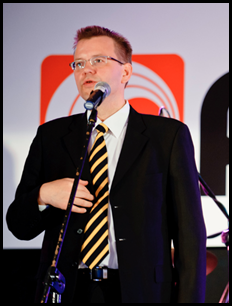
“At the moment focus in European policies is to endorse biomass utilization for the energy applications. This is short-sighted, as on those applications biomass does not bring the best added value. Also there is not enough biomass in Europe to meet up all energy and climate target in EU-level. Biomass is more valuable on chemical and material applications”. To say it, in this exclusive interview with Il Bioeconomista, is Jukka Kantola, CEO of NISCluster, a Finnish private bioeconomy company with a focus on the woody biomass. With Kantola we talk about the bioeconomy in Finland, the EU policies and the different uses of biomass.
“The central question for the development of any new field, such as the bioeconomy, is: ‘Who’s going to do it?’ Which countries and which companies are going to make the investments and do the hard development work to achieve the technology and the infrastructure which are necessary to move forward? Technologies are important, feedstocks are important, but at the end of the day it is all about who has the will and motivation to fund and develop these systems”. To say it in this exclusive interview with Il Bioeconomista is Daniel Gibbs, Founder and Ceo of the General Biomass Company, which is currently developing advanced industrial enzymes and other technology to convert nonfood cellulosic feedstocks to sugars for bioplastics, sustainable packaging, renewable chemicals and biofuels. With Gibbs we talk about the bioeconomy in US, the different roles played by America, Europe and Asia, considering the strategic role of cheap nonfood biomass to the further development of the bioeconomy. “We need to realize- says Gibbs – that production of biobased chemicals and plastics from biomass may be a very significant driver of technology development, since the monomers for bioplastics have a higher oxygen content and thus a higher yield than the alkanes needed, e.g., for biojetfuel or biodiesel. Both chemically and financially, this becomes attractive for consumer brands and sustainable packaging
Actinogen Limited, heaquartered in Western Australia, has entered into a collaborative and royalty agreement with Leaf Energy Ltd in the company’s Bioethanol project. Under the terms of the agreement Leaf Energy, an Australian company focused on turning waste into biofuels, bioplastics and green chemicals, will fund further studies in Actinogen’s Bioethanol project; in which the company previously identified strains of actinomycetes capable of producing cellulases. Cellulase are enzymes used to breakdown cellulose from plant material, papers and industrial waste glycerols (biomass), and are an important step in the production of second generation bioethanols.





 IL BIOECONOMISTA