On March 24 the CBE JU Stakeholder Forum will take place in Brussels

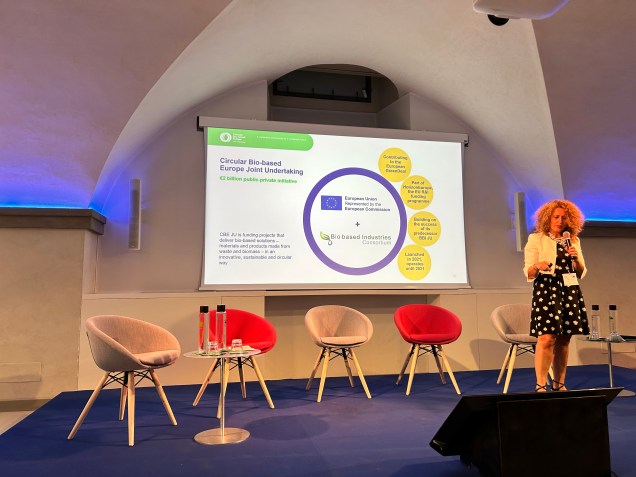
Virginia Puzzolo, Head of Program at CBE JU at IFIB 2023 in Florence

On 24 March, the CBE JU Stakeholder Forum 2026 will take place in Brussels, bringing together Europe’s bio-based community for high-level discussions on how to move from innovation to real market impact. The second edition of the forum will focus on a key question: what still needs to happen for Europe’s bio-based innovations to become competitive, large-scale industrial solutions? The forum will bring together CEOs from leading European bio-based companies (among these Catia Bastioli CEO Novamoent, Niklas von Weymarn CEO Metsa Spring, Nicolas Sordet CEO Afyren), as well as key EU decision makers, to discuss what it takes to transform innovation into industrial reality.

Continue reading

Commission launches call for interest in the European Bioeconomy Investment Deployment Group

Berlaymont, European Commission’s Headquarter in Brussels

The European Commission launched a call for interest last Tuesday to participate in the European Bioeconomy Investment Deployment Group, a new platform aimed at accelerating investment in the EU’s growing bioeconomy sector.  

Continue reading

BioINSouth Forum goes to Seville. On June 11-12 the second edition of the event focused on Mediterranean bioeconomy

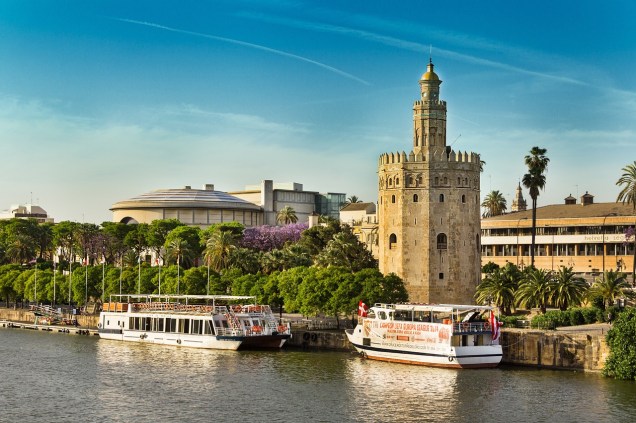
Seville in Spain will host the second edition of the BioINSouth Forum. The Andalusian city will be the Mediterranean capital of bioeconomy from June 11 to June 12, thanks to the forum that will bring together leaders and experts from various sectors and disciplines from South Europe and beyond. They will discuss and outline the R&I priorities in bioeconomy, in conjunction with the particularities of the South European regions, asking for a new political EU Initiative: BioSouth. If there is a BioEast it’s also needed a BioSouth to enlarge and boost the European bioeconomy

Continue reading

EU Commission presents new Bioeconomy Strategy to drive green growth, competitiveness and resilience across Europe

Berlaymont, European Commission’s Headquarter in Brussels

Today, the Commission adopted a new Strategic Framework for a Competitive and Sustainable EU Bioeconomy, charting a way forward to build a clean, competitive and resilient European economy. By using renewable biological resources from land and sea and providing alternatives to critical raw materials, the EU will move forward towards a more circular and decarbonised economy and can decrease dependence on fossil imports.

Continue reading

The EU-funded ShapingBio project released recommendations for a competitive EU Bioeconomy

Berlaymont, European Commission’s Headquarter in Brussels

The EU-funded ShapingBio project has released a comprehensive policy brief outlining key recommendations to support the European Commission in creating an optimal framework for a sustainable and competitive European bioeconomy. The recommendations feed into the upcoming New EU Bioeconomy Strategy, expected to play a crucial role in advancing Europe’s transition towards a circular, climate-neutral economy.

Continue reading

Today is the last day to partecipate to the consultation for the new EU bioeconomy strategy

Berlaymont, European Commission’s Headquarter in Brussels

Today is the last day to participate to the online consultation for the new EU bioeconomy strategy using the Have Your Say portal. The Commission launched a public consultation on the upcoming EU Bioeconomy strategy on Monday (31 March). It marks a significant step forward in harnessing the opportunities of the bioeconomy to support European businesses and drive progress towards the EU’s environmental, climate and competitiveness objectives. 

Continue reading

EU Commission presented a Clean Industrial Deal for competitiveness and decarbonisation

Berlaymont, European Commission’s Headquarter in Brussels

Yesterday, the Commission presented the Clean Industrial Deal, a bold business plan to support the competitiveness and resilience of European industry. “The Deal will accelerate decarbonisation, while securing the future of manufacturing in Europe.” “Faced with high energy costs and fierce and often unfair global competition, our industries – the EU Commission stated – need urgent support. This Deal positions decarbonisation as a powerful driver of growth for European industries. This framework can drive competitiveness as it gives certainty and predictability to companies and investors that Europe remains committed to become a decarbonised economy by 2050.”

Continue reading

The EU Commission launches a new Biotech and Biomanufactoring Hub, but forgets the industrial biotechnology

The EU Commission yesterday launched a new Biotech and Biomanufactoring Hub to support companies – particularly start-ups and SMEs – in bringing innovative products to the EU market and increase their competitiveness. The Hub will also help companies identify the support available to them at EU level and how to access this support to help them to expand and grow.

Continue reading

The EU Commission presented the Competitiveness Compass. “We must fix our weaknesses”, said President Ursula von der Leyen

Berlaymont, European Commission’s Headquarter in Brussels

Yesterday, the EU Commission presented the Competitiveness Compass, the first major initiative of this mandate providing a strategic and clear framework to steer the Commission’s work. The Compass sets a path for Europe to become the place where future technologies, services, and clean products are invented, manufactured, and put on the market, while being the first continent to become climate neutral.

Continue reading

EU Commission presents recommendation for 2040 emissions reduction target to set the path to climate neutrality in 2050

Berlaymont in Brussels
Berlaymont, European Commission’s Headquarter in Brussels

The Commission published a detailed impact assessment on possible pathways to reach the agreed goal of making the European Union climate neutral by 2050. Based on this impact assessment, the Commission recommends a 90% net greenhouse gas emissions reduction by 2040 compared to 1990 levels, launching a discussion with all stakeholders; a legislative proposal will be made by the next Commission, after the European elections, and agreed with the European Parliament and Member States as required under the EU Climate Law. This recommendation is in line with the advice of the European Scientific Advisory Board on Climate Change (ESABCC) and the EU’s commitments under the Paris Agreement.

Continue reading