Origin Materials, a US-technology company with a mission to enable the world’s transition to sustainable materials, and Reed City Group, a full-scale injection mold builder, injection molder, hydraulic press maker, and automation solutions company, signed a strategic partnership to mass produce PET caps and closures in North America.
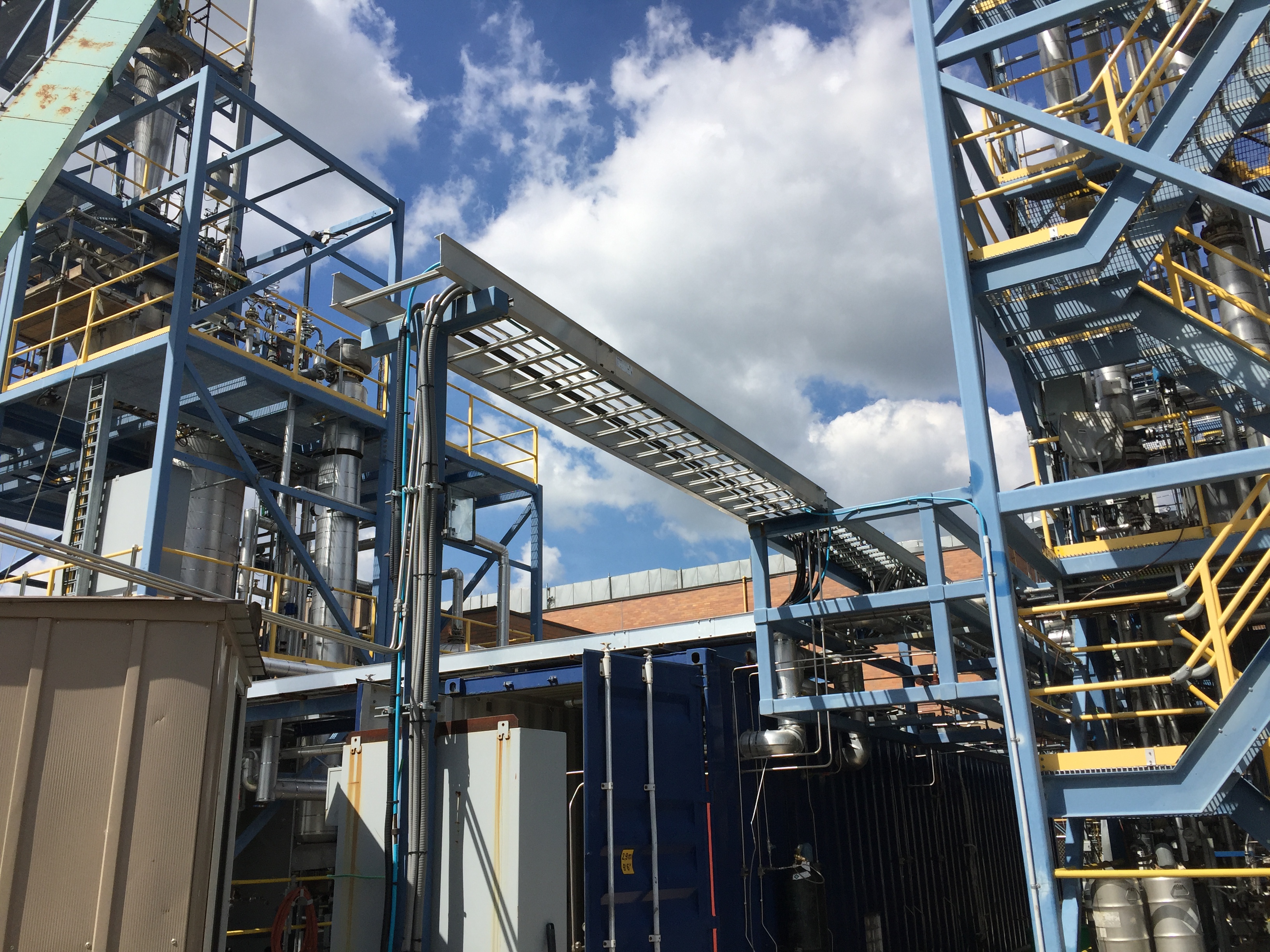
BioIndustrial Innovation Canada in Sarnia, Ontario (Canada)
Origin Materials, the world’s leading carbon negative materials company with a mission to enable the world’s transition to sustainable materials, and Bachmann Group , a leading packaging production and logistics company, partnered to mass produce PET caps and closures.
Origin Materials, a leading carbon negative materials company with a mission to enable the world’s transition to sustainable materials, started the commercial-scale production at Origin 1, located in Sarnia, Ontario, Canada, the first commercial plant of its kind.
California-headquartered Origin Materials, the carbon negative materials company with a mission to enable the world’s transition to sustainable materials, has created “all PET” (polyethylene terephthalate) bottle caps, making “100% recycled PET” possible from cap to bottle to improve post-consumer recycling. Origin’s PET caps are more sustainable than common alternatives because they may be produced with any type of PET, from recycled PET to Origin’s 100% bio-based, carbon-negative virgin PET. PET offers better oxygen and CO2 barrier than HDPE and PP, common cap materials.
Origin Materials, California-headquartered carbon negative materials company with a mission to enable the world’s transition to sustainable materials, began startup of Origin 1, the world’s first commercial CMF plant, located in Sarnia, Ontario, in-line with prior guidance.
Avantium, a Dutch leading technology company in renewable chemistry, and Origin Materials, a leading sustainable materials company based in the USA, joined forces to accelerate the mass production of FDCA and PEF for use in advanced chemicals and plastics. The partnership aims to bring the technology platforms of both companies together in order to produce FDCA from sustainable wood residues on an industrial scale. FDCA (furandicarboxylic acid) is the key building block for the biopolymer PEF (polyethylene furanoate) – a 100% plant-based, fully recyclable plastic material, with superior functionality and a significantly reduced carbon footprint compared to conventional plastics. PEF can be used in a wide range of applications such as bottles, packaging, films, fibers and textiles, which represent major end-markets.
Large research infrastructures, a chemical and paper industry supporting a sector that is considered strategic, clusters that are able to build extended value chains, universities at the level of excellence and a federal government and provinces with a vision and an effective action plan. These are shortly all the strengths of the bioeconomy in Canada, as I saw them last week.
Tennessee-based Eastman Chemical Company and Origin Materials (formerly known as Micromidas) have entered into a non-exclusive license agreement for Eastman to license its proprietary 2,5-Furandicarboxylic Acid (“FDCA”) and FDCA derivatives production technology from renewable resources to Origin Materials. Origin also recently purchased an oxidation pilot plant from Eastman that will enable Origin to demonstrate the licensed technology. Terms of the license agreement and pilot plant sale were not disclosed.
A packaging revolution: Danone and Nestlé Waters, the world’s two largest bottled water companies, have joined forces with Origin Materials, a startup based in Sacramento, California, to form the NaturALL Bottle Alliance. Together, the three partners aim to develop and launch at commercial scale a PET plastic bottle made from bio-based material, i.e. 100% sustainable and renewable resources. PET (Polyethylene terephthalate) is the most common plastic in polyester family and is used in fibers for clothing, containers for liquids and foods, thermoforming for manufacturing, and in combination with glass fiber for engineering resins.



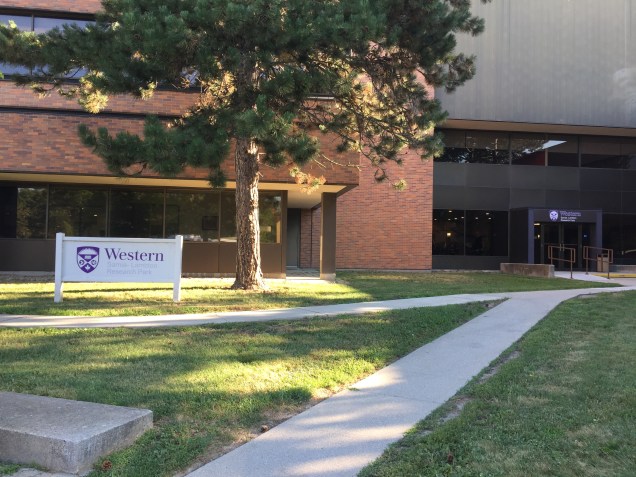
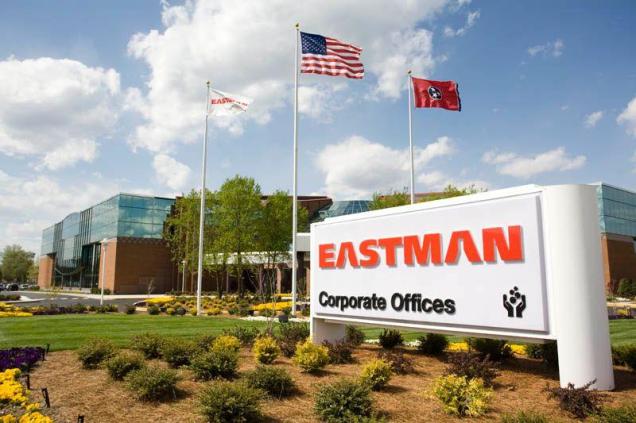 Tennessee-based Eastman Chemical Company and Origin Materials (formerly known as Micromidas) have entered into a non-exclusive license agreement for Eastman to license its proprietary 2,5-Furandicarboxylic Acid (“FDCA”) and FDCA derivatives production technology from renewable resources to Origin Materials. Origin also recently purchased an oxidation pilot plant from Eastman that will enable Origin to demonstrate the licensed technology. Terms of the license agreement and pilot plant sale were not disclosed.
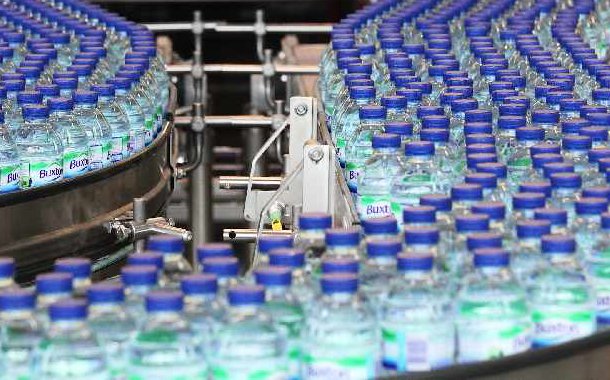 A packaging revolution: Danone and Nestlé Waters, the world’s two largest bottled water companies, have joined forces with Origin Materials, a startup based in Sacramento, California, to form the NaturALL Bottle Alliance. Together, the three partners aim to develop and launch at commercial scale a PET plastic bottle made from bio-based material, i.e. 100% sustainable and renewable resources. PET (Polyethylene terephthalate) is the most common plastic in polyester family and is used in fibers for clothing, containers for liquids and foods, thermoforming for manufacturing, and in combination with glass fiber for engineering resins.
 IL BIOECONOMISTA