
Neste and Bayer, a global enterprise with core competencies in the life science fields of health care and agriculture, signed a memorandum of understanding aimed at developing a winter canola ecosystem in the U.S, including identifying partners and developing the value chain together, and scaling winter canola production as a raw material for renewable products.

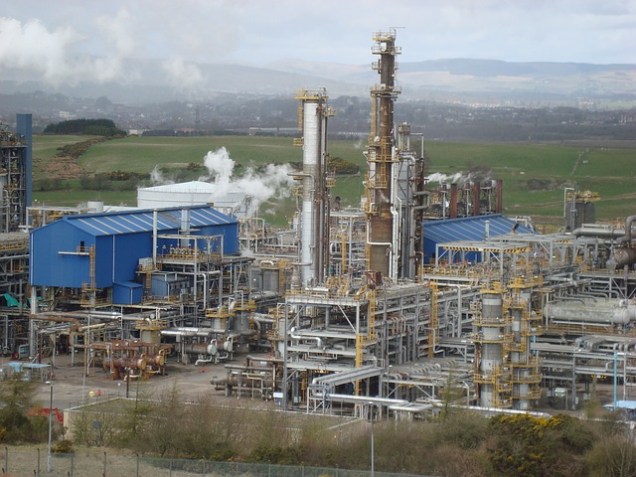 Ineos Olefins & Polymers Europe announced a range of Bio-Attributed Olefins and Polyolefins, based on renewable bio-based raw materials that do not compete with food production. Products will be supplied from the Ineos Koeln site, Germany, later this year. The company stated that bio-attribution measures the extent to which fossil fuel-derived feedstocks have been substituted by renewable or bio-feedstocks.
 IL BIOECONOMISTA