
Author: Il Bioeconomista
A new biogas plant will convert residues from the factories of Novozymes and Novo Nordisk
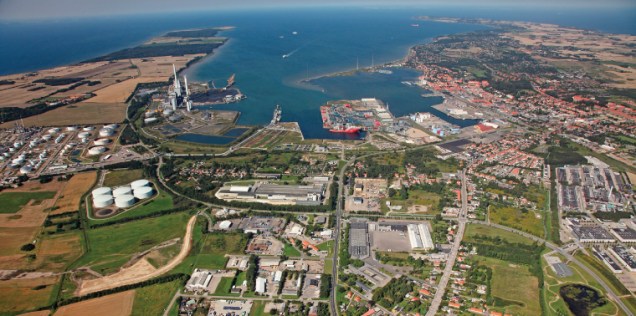
DONG Energy and Bigadan is to build a large-scale biogas plant that will reuse residues from the production facilities of Novozymes and Novo Nordisk in Kalundborg on Zealand. The four companies have just signed an agreement which, from spring 2018, will carry yet another significant contribution to the Danish production of green energy from biogas. The new biogas plant in Kalundborg will convert residues from the factories of Novozymes and Novo Nordisk in Kalundborg to bio natural gas which can be fed directly into the Danish natural gas grid.
EU Parliament votes to ban the use of palm oil in biofuels
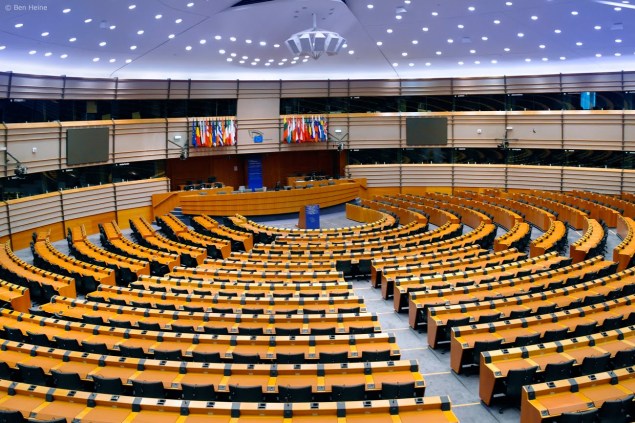
The European Union should introduce a single certification scheme for palm oil entering the EU market and phase out the use of vegetable oils that drive deforestation by 2020 to counter the impact of unsustainable palm oil production, such as deforestation and habitat degradation, particularly in South-East Asia. This is what said MEPs in a resolution voted last week.
Butamax Advanced Biofuels acquires Nesika Energy to expand the bio-isobutanol business
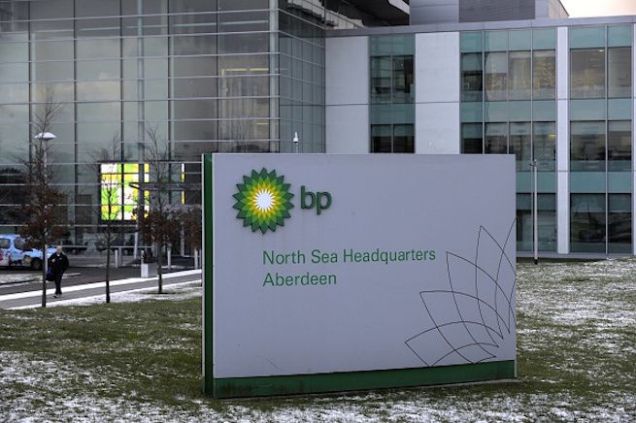 Butamax Advanced Biofuels LLC, a 50/50 joint venture between BP and DuPont, combining expertise in fuels with industrial biotechnology, announced the acquisition of Nesika Energy, LLC and its state-of-the-art ethanol facility in Scandia, Kansas. Butamax will now start the detailed engineering work to add bio-isobutanol capacity to the facility, while continuing to produce ethanol before and after adding this capacity.
UK ETI launched a new project to make bioenergy cheaper and more efficient
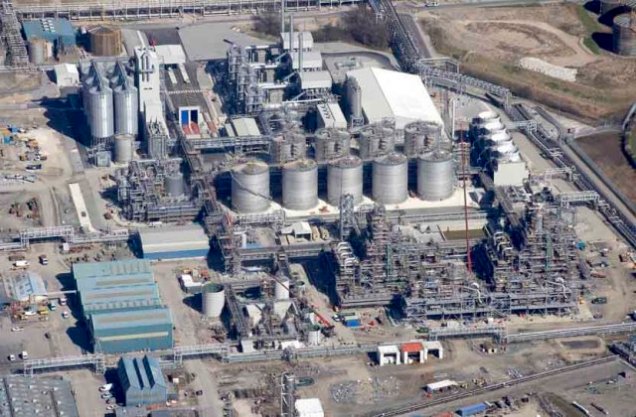
The Energy Technologies Institute (ETI), a public-private partnership between global energy and engineering companies and the UK Government. launched a new biomass feedstock improvement process project which aims to show how the removal of impurities and contaminated material from sustainable biomass could make bioenergy cheaper and more efficient, consequently delivering better greenhouse gas savings.
Covestro, Rifra and Sirca join forces: the new furniture is bio-based

The furniture industry is a front-runner in the implementation of waterborne coatings as an alternative to traditional solventborne systems. Now a collaboration between design furniture company Rifra Milano, coatings supplier Sirca and German chemical colossus Covestro shows that the sustainability of furniture can be improved even further.
An interview with Marc Palahi, director of EFI: An ambitious bioeconomy strategy is needed

“An ambitious bioeconomy strategy for Europe is needed. A strategy that coordinates the significant policy instruments relevant for it, including research and education, public procurement, infrastructure planning and development, and creates incentives for investors and businesses to lead the change towards a bio-based economy”. Marc Palahi, director of the European Forest Institute (EFI) talks to Il Bioeconomista. In this exclusive interview, he talks about bioeconomy and circular economy, Brexit and Donald Trump, the role of mass media and much more. And he launches also the second edition of the EU Bioeconomy Investment Summit, which will be held on 14 December in Helsinki (Finland).
Interview by Mario Bonaccorso
The Ellen McArthur Foundation launches Urban Biocycles: value from organic waste
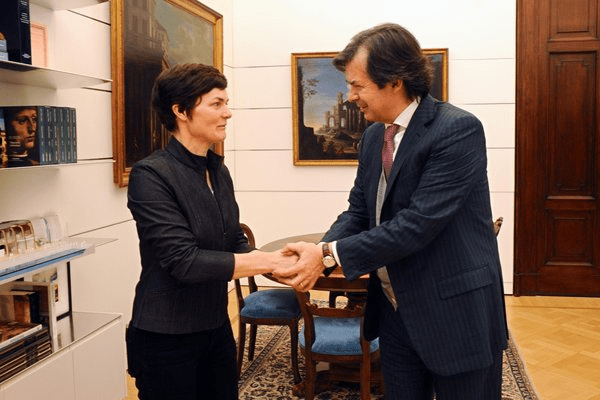
The Ellen MacArthur Foundation today launched a new scoping paper – Urban Biocycles –produced in collaboration with World Economic Forum, in front of delegates from leading international institutions, at the annual Forum for the Future of Agriculture (FFA2017) in Brussels. The paper provides the Foundation’s first exploration of how applying circular economy principles could capture new value from biological material flows, in an urban context.
GFBiochemicals and American Process join forces to create a world-class integrated biorefinery
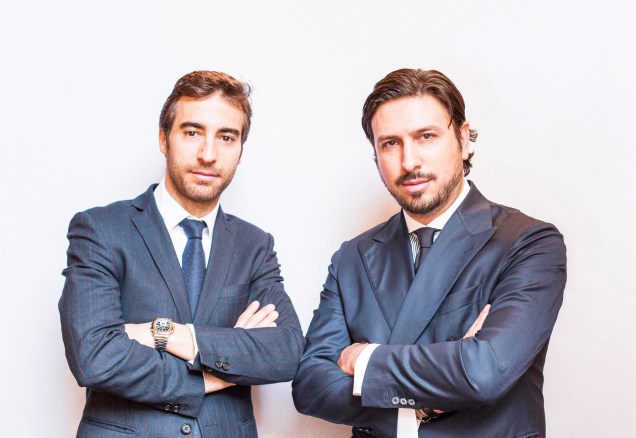
The Italian biochemical company GFBiochemicals and Atlanta-based American Process Inc., which is specialized in the development of technologies for the commercial production of sugars and ethanol from biomass, have entered into a joint development agreement to create the largest integrated cellulosic biorefinery in the world. “The agreement – both companies stated – is rooted in our complementary industrial operations and joint vision for a lower-carbon future”. The proposed biorefinery, located in the U.S, is expected to create 50-200 thousand tonnes per annum of bio-based products, addressing markets with a potential annual value of USD 10 billion.
New Report by Intesa Sanpaolo: in EU5 the bioeconomy is worth €1.22 trillion

 IL BIOECONOMISTA