Virgin Atlantic and Rolls-Royce confirmed the successful Sustainable Aviation Fuel (SAF) blend ground test on the Rolls-Royce Trent 1000 engine. The test marks a key milestone in the project which will see the world’s first 100% SAF flight travel across the Atlantic from London Heathrow to New York JFK on a Boeing 787 Dreamliner, set to take off on 28 November 2023.
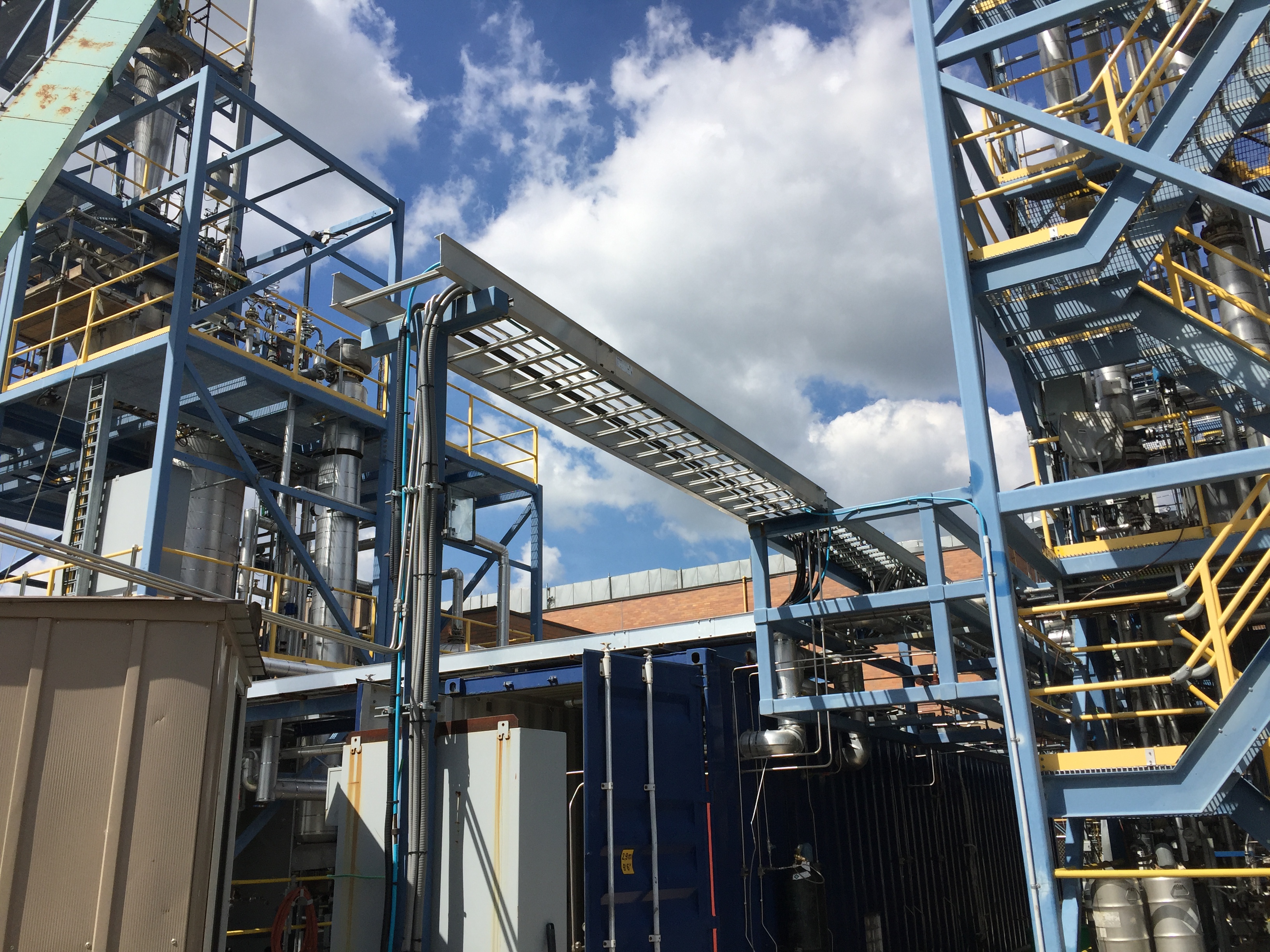
Origin Materials, California-headquartered carbon negative materials company with a mission to enable the world’s transition to sustainable materials, began startup of Origin 1, the world’s first commercial CMF plant, located in Sarnia, Ontario, in-line with prior guidance.
Tony Duncan, CEO of Circa Group, at IFIB 2018 in Turin
Circa Group AS has applied for patents for two new solvents for CO2 capture processes. As both the interest and the urgency to capture and transform carbon dioxide (CO2) emissions increases, Circa has developed two new CO2 solvents from its platform molecule, levoglucosenone (LGO).
Avantium, a leading technology provider in renewable chemistry headquartered in the Netherlands, agreed to partner with SCG Chemicals Public Company Limited, a leading integrated chemical player in Asia and an innovator of chemical innovations and solutions. Under this partnership, Avantium and SCGC agreed to further develop CO2-based polymers and to scale-up to a pilot plant with an indicative capacity of 10 tonnes per annum.
Eni Sustainable Mobility Spa and PBF Energy Inc. announced the closing of a 50-50 joint venture partnership in St. Bernard Renewables LLC (SBR), an operating biorefinery co-located with PBF’s Chalmette Refinery in Louisiana (US). PBF’s affiliate contributed the biorefinery and other assets comprising the business to SBR and Eni Sustainable Mobility’s affiliate has committed to make capital reimbursements and contributions totaling $835 million to PBF, of which $431 million was paid at closing. The remainder of the total consideration will be contributed by Eni Sustainable Mobility upon start-up of the pre-treatment unit (“PTU”). An additional $50 million in contingent consideration will be paid by Eni Sustainable Mobility subject to the achievement of certain project milestones and performance criteria.
Marc Delcourt, co-founder and CEO of Global Bioenergies
Global Bioenergies’ process becomes one of the very few Sustainable Aviation Fuel (SAF) technologies in the world certified by ASTM International. Global Bioenergies’ fuel can now be blended up to 50% with fossil kerosene in existing airplanes, the French company claims.
Chaire CoPack, in partnership with AgroParisTech and the University of Montpellier, has conducted a scientific study that validates the biodegradation of certified compostable food contact packaging in industrial composting facilities. The preliminary report of this study provides conclusive evidence that certified compostable packaging is a viable sustainable solution to waste management in the food packaging industry.
Afyren, a Lyon-headquartered greentech company, that offers manufacturers bio-based, low-carbon ingredients produced using unique fermentation technology based on a completely circular model, announced significant progress in production at the Afyren Neoxy plant and the delivery of the first lots of biobased organic acids.
The future of packaging is circular and to be achieved with solutions that are net positive for both climate and biodiversity. This future is already taking shape in Oulu, a city in northern Finland, where the foundation stone for Stora Enso’s new board line was laid on 30 May.
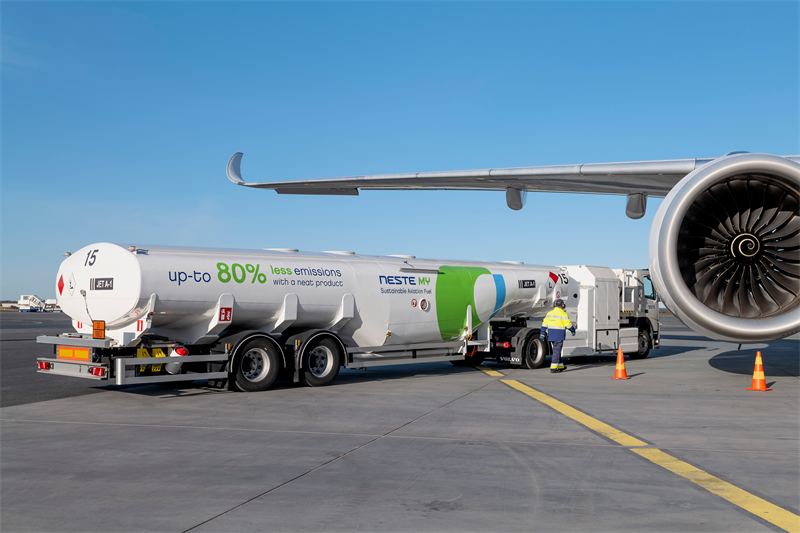
Trollhättan-Vänersborg Airport in the southwestern part of Sweden, will be the first airport in the world to offer only blended sustainable aviation fuel (SAF) for all aircraft refueling at the airport, which will significantly reduce greenhouse gas (GHG) emissions of departing flights. Neste will supply its Neste MY Sustainable Aviation Fuel™ to the Trollhättan airport in a 30-40% blend with conventional jet fuel and the airport will make it available for refueling by the end of June.








 IL BIOECONOMISTA