Eni completed the construction of the oilseed collection and pressing plant (agri-hub) in Makueni, Kenya, and started production of the first vegetable oil for bio-refineries. The first agri-hub will have an installed capacity of 15,000 tons with an expected production of 2,500 tons in 2022.
Californian biotech company Genomatica (Geno) alongside longtime collaborator Aquafil successfully completed the first demonstration scale production runs for plant-based nylon-6. The material is intended to reshape the $22 billion nylon industry, enabling brands to meet demand from consumers for sustainable everyday materials from apparel to automotive parts to carpets.
Shell made its first order to Global Bioenergies, to provide volumes of bio-isobutene derivatives for performance assessment. The oil giant plans to explore the possibility of replacing current hydrocarbon-based isobutene and its derivatives with their equivalents from renewable resources, while maintaining the same level of performance.
Basf Venture Capital GmbH, the corporate venture arm of Basf, has invested in Climentum Capital’s first €150 million venture fund. Both organizations will engage in a strategic relationship fostering knowledge sharing, deal sharing and co-investment opportunities. The fund is backed by other renowned corporate investors, banks, industrial conglomerates as well as prominent family offices and successful tech entrepreneurs, all of which share the ambition to combat climate change through investing in disruptive technologies. The investors also include the Danish growth fund Vaekstfonden and Arbejdernes Landsbank.
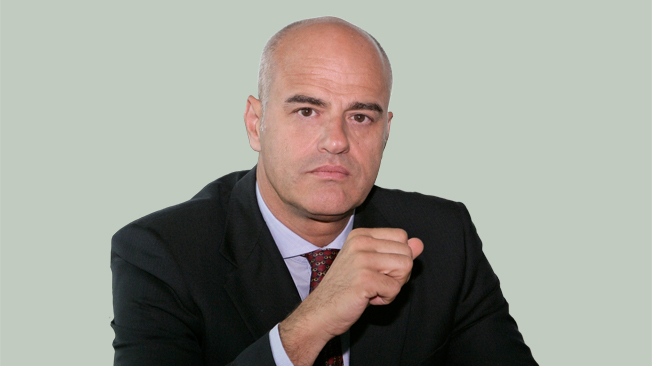
Versalis, the chemical division of Italian oil giant Eni, met last week in Rome with representatives of national and local trade unions to present its business plan for the next four years. According to the company, more than 1.1 billion euros have been spent in the last four years and the plan is to continue with investments focused on four strategic areas: specialization, circularity, chemistry from renewables and efficiency.
Stora Enso is leasing the former paper machinery hall at its Veitsiluoto site in Finland to the textile technology company Infinited Fiber Company, which plans to build a commercial-scale factory to produce regenerated textile fiber from textile waste. Earlier this month Stora Enso sold its district heating business at Veitsiluoto to utility infrastructure company Nevel, a provider of advanced industrial and municipal infrastructure solutions.
Finnish giant Neste and Fly Victor, the on-demand private jet company, started a partnership which sets a new sustainability benchmark in business aviation. Victor members can now purchase Neste MY Sustainable Aviation Fuel™ (SAF) for every private jet booking globally. This enables private jet charterers to reduce the carbon footprint of their private air travel in a credible and measurable way.
Carlsberg Group and Dutch biochemical company Avantium agreed to take the next step in the commercialisation of PEF. The Danish Group signed a conditional offtake agreement with Avantium to secure a fixed volume of the 100% plant-based, recyclable and high-performance polymer PEF (polyethylene furanoate) from Avantium’s FDCA Flagship Plant, which Avantium aims to start-up in 2024. Carlsberg will use the PEF resin for various packaging applications, including its Fibre Bottle – the bio-based and fully recyclable beer bottle.
Suzano, the world’s largest hardwood pulp producer and a global reference in developing sustainable and innovative solutions from renewable sources, launched Suzano Ventures, a global corporate venture capital initiative. It will invest US$70 million in a range of businesses with the potential to revolutionize their sector and beyond, by addressing some of the world’s most pressing environmental challenges. The initiative will focus on companies operating within at least one of four bioeconomy applications: improving the measurement and management of carbon sequestration, accelerating and maximizing agroforestry yield, developing new technologies and applications for pulp biomass, and creating more efficient pulp packaging from renewable sources.
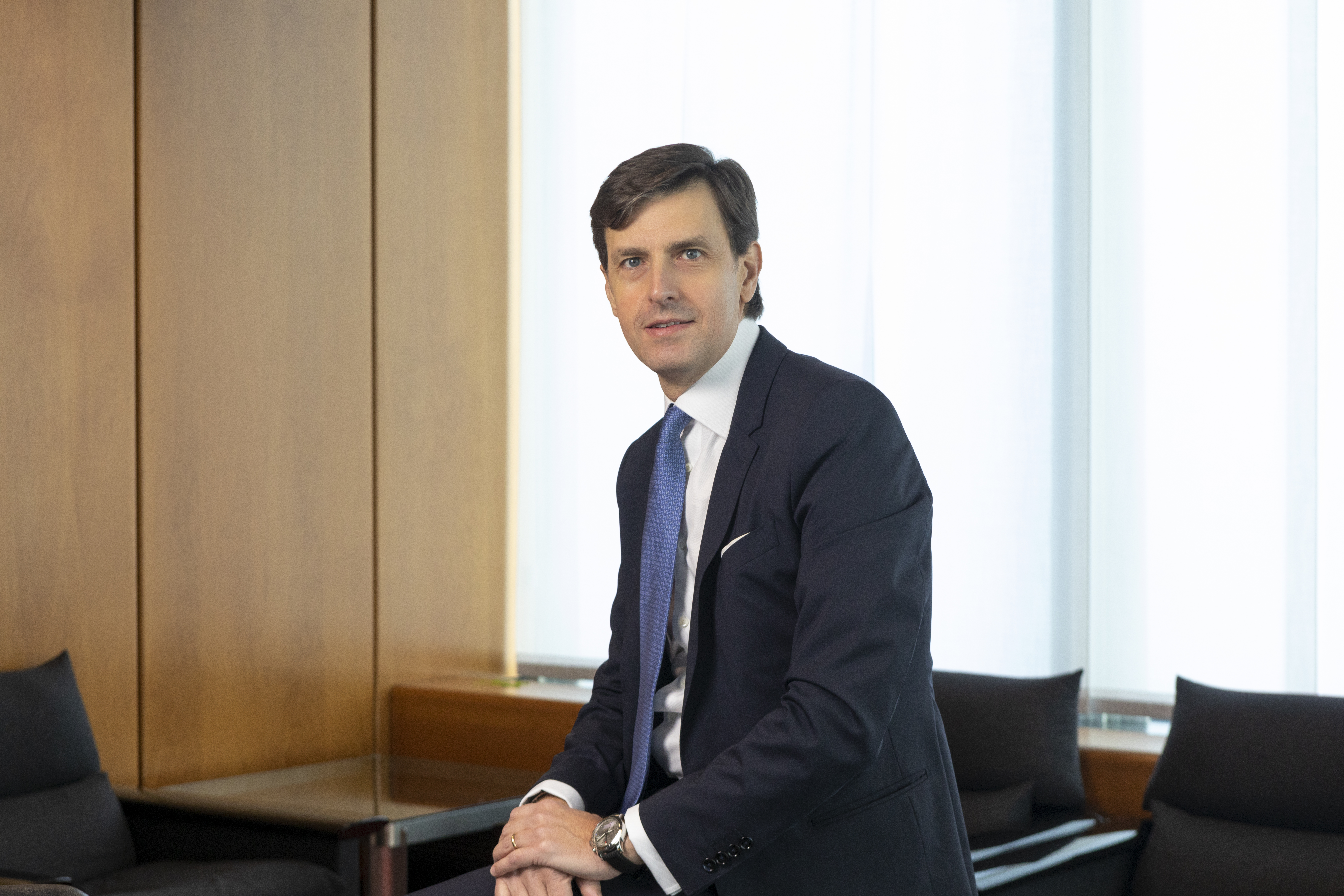
Mathieu Flamini, CEO GFBiochemicals. In Greenland. Courtesy of Mathieu Flamini
After announcing its €15 million Serie A funding round, the sustainable chemical company GFBiochemicals entered into an agreement with German chemical giant BASF. Specifically, BTC Europe GmbH, BASF’s European distribution organization, and NXTLEVVEL Biochem, a joint venture and manufactoring arm of GFBiochemicals, signed an agreement on the distribution of biobased and biodegradable solvents derived from levulinic acid for the European market.