
“With equivalent performance and equivalent costs we anticipate that the industry will migrate to widespread adoption of these bio-based products over time (similar to previous industry shifts to more competitive petro-derived processes)”. To say it, in this exclusive interview with Il Bioeconomista, is Tim Dummer, VP Commercialization at Rennovia, a specialty chemical company focused on the creation of novel processes for the cost advantaged production of chemicals from renewable feedstocks. Rennovia led by Robert Wedinger and based in Santa Clara, California, is developing processes for the production of biobased glucaric acid, adipic acid, 1,6-hexanediol, hexamethylenediamine (HMD), and other important building blocks for a wide range of functional materials. With Dummer we talk about Rennovia and the future of the chemical industry.
Interview by Mario Bonaccorso

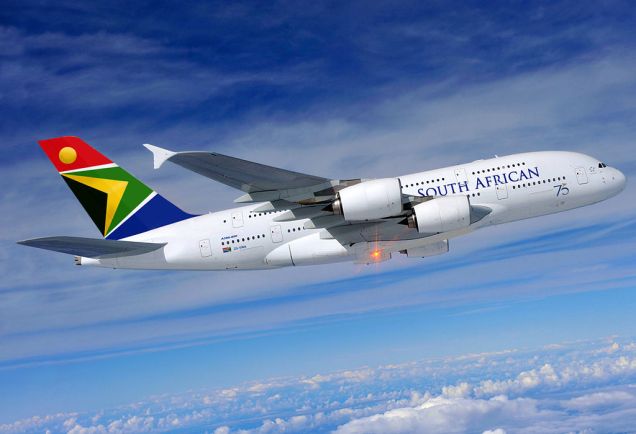 The South African Airways Group (SAA) last Friday operated Africa’s first sustainable biofuel flights. The flights on Boeing 737-800s between Johannesburg and Cape Town made history as the first sustainable biofuel flights to have taken place on the African continent. They used home-grown feedstock from the Marble Hall area in the Limpopo region of South Africa as part of Project Solaris, a biofuels project named after the energy tobacco plant used (a technology made in Italy). The nicotine-free, hybridised tobacco plant lends itself to the production of biofuel as the Solaris plant produces small leaves and prodigious flowers and seeds that are crushed to extract a vegetable crude oil. The Solaris plant is ideally suited for this purpose as the remaining seedcake is used as a high protein animal feed supplement that also contributes to food security.
 Samsill Corporation today joins Agriculture Secretary Tom Vilsack and an array of biobased stakeholders in Washington, D.C. at the United Soybean Board’s Biobased Stakeholders’ Dialogue held at the USDA headquarters.


 IL BIOECONOMISTA