A draft law to cap crop-derived biofuel production and accelerate the shift to alternative sources was voted by Parliament on Tuesday. It aims to cut greenhouse gas (GHG) emissions caused by the growing use of farm land for biofuel crops. Parliament has been calling since 2008 for the ILUC factor to be taken into account in EU biofuels policy, while biofuels grown on farm land have received up to €10 billion per year in public subsidies.
Politics
EU regulators raid bioethanol companies, suspect cartel

According to Reuters, EU antitrust regulators have raided several bioethanol companies suspected of fixing prices and at the same time stepped up their two-year investigation into possible rigging of biofuel price benchmarks by including a company in Spain in the case.
The John Bell interview: the reaction of Michael Carus, Ceo of nova-Institut

We receive and publish with pleasure this comment by Michael Carus, managing director of the nova-Institut, regarding our exclusive interview with John Bell, Director of Bioeconomy Directorate, European Commission.
We are glad to promote the debate.
Dear Mario,
with interest, we read your interview with John Bell. While we were glad to read that DG RTD is now somewhat recognizing the adverse effects of the RED, we found the later parts of the statement concerning the RED still too short-sighted. They make clear why the sector of chemicals and materials is developing so slowly and why we are losing shares of worldwide investment.
We would like to comment on two aspects:
Continue reading
John Bell talks to Il Bioeconomista. An interview with the Director of Bioeconomy Directorate

The European bioeconomy and its contribution to the creation of jobs and economic growth. The Juncker agenda and the new plans of the European Commission to foster the development of the bioeconomy . These are just some of the topics addressed by John Bell – Director of Bioeconomy Directorate of the European Commission – in this exclusive interview with Il Bioeconomista.
“The Bioeconomy – Bell says – contributes to generating jobs and growth, whilst increasing Europe’s competitiveness worldwide as well as decreasing the environmental footprint of our economy. It is furthermore closely related with other key priorities of the Juncker Commission, such as the Climate and Energy Union.”
Interview by Mario Bonaccorso
Finnish bioeconomy takes another step forward

The Finnish Ministry of Employment and the Economy is implementing the Government’s bioeconomy, cleantech, and digitalisation strategy for accelerating new areas for growth. In June 2014 an international competition was launched as part of the bioeconomy strategy to expedite the commercialisation of bioeconomy innovations and the emergence of new biorefineries in Finland.
Spinnova Ltd. has won the international biorefinery competition with its new textile fibre production technology. Two other proposals to receive awards in the competition are Biovakka Suomi’s concept for combining the production of biogas, nutrients, and transport fuel, and a proposal by the that incorporates novel Finnish technology for the production of new biomaterials and biochemicals.
The bioeconomy speaks Dutch: today starts in Amsterdam the World Bio Markets
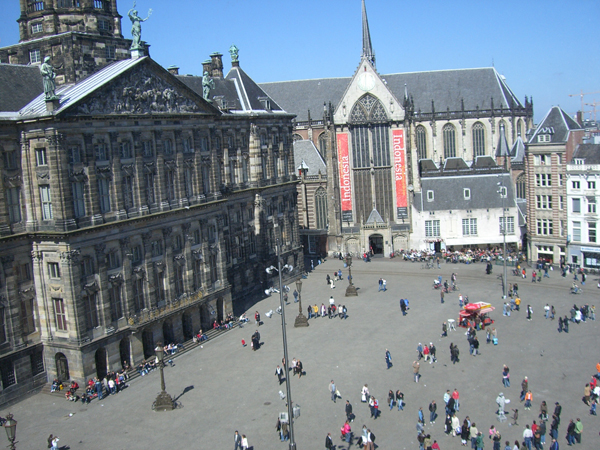
Today starts in Amsterdam the 10th annual World Bio Markets, an event which will focus on three bioeconomy core topics: biofuels, bio-based chemicals and feedstock supply, security and selection.
The Environment Committee of the EU Parliament backs switchover to advanced biofuels
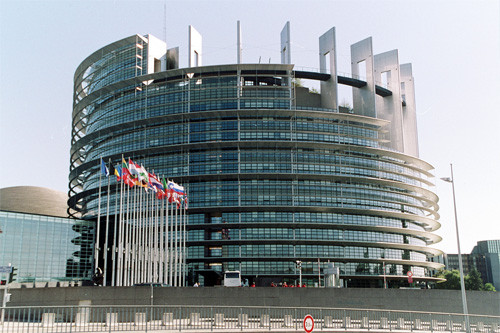
A draft law to cap the production of traditional biofuels and accelerate the shift to alternative sources, such as seaweed and waste, was approved by the Environment Committee on Tuesday. It aims to reduce greenhouse gas emissions that result from the growing use of agricultural land to produce biofuel crops.
Nous sommes tous Charlie

Ireland focuses on bioeconomy to maximise national income, exports and job creation
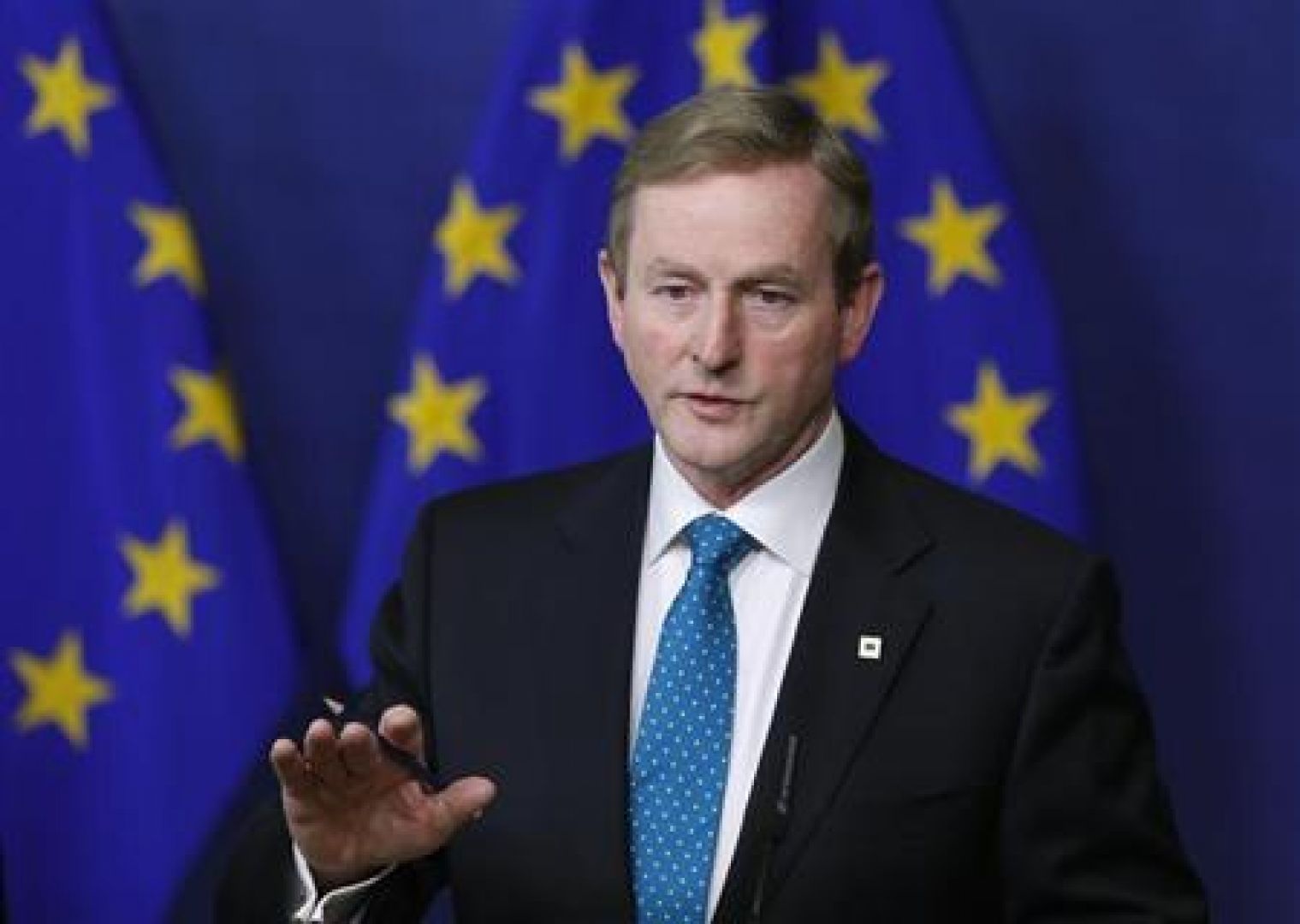
In Ireland a multi-disciplinary research team, led by Teagasc (Agriculture and Food Development Authority), and including the Technology Centrefor Biorefining and Bioenergy (TCBB) at NUI Galway, Crop Science & Biosystems Engineering at UCD and the Environmental Sustainability & Health Institute at Dublin Institute of Technology, has been funded by a 2014 DAFM/Stimulus research grant to address how Ireland can maximise national income, exports and job creation thanks to the bioeconomy.
Plastic bags? European Union says: No, thanks

The European institutions adopted a legislative proposal amending the Packaging and Packaging Waste Directive (PPWD) that addresses the challenge of conventional single use plastic carrier bags consumption, and explicitly sanctions the actions of several member states that have already recognized the benefits of compostable bags.
 IL BIOECONOMISTA