Yesterday, the French parliament adopted the law on energy transition and green growth proposed by Ségolène Royal, Minister of Ecology, Sustainable Development and Energy.
The new law creates the opportunities to introduce biobased, compostable plastics to selected types of packaging as well as fruit and vegetable bags.
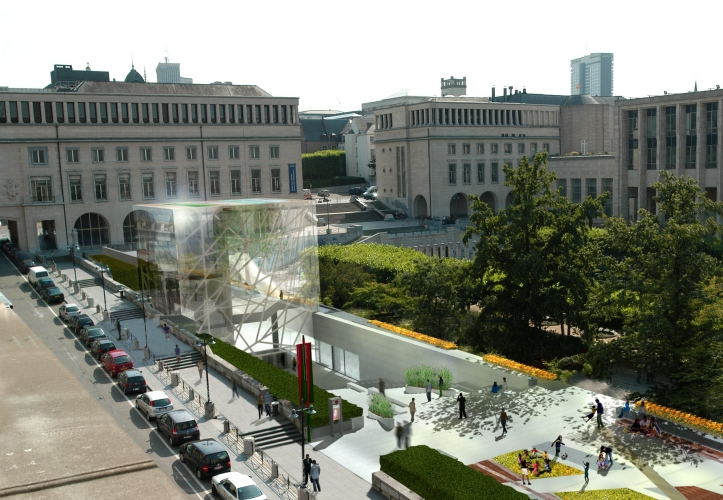
EuropaBio and Smithers Rapra unveil the agenda for the European Forum for Industrial Biotechnology and Bioeconomy (EFIB) 2015. Taking place on 27-29 October 2015 at Square, Brussels, EFIB combines high-level discussions on business and policymaking and is the perfect setting for businesses looking to benefit from the next wave of activity in Europe.
The Greek crisis is an opportunity to reflect again on our idea of Europe. In our opinion the euro is an irreversible process. But it is absurd to weigh on the ECB, in fact the only European institution truly federal, the task to deal with the crisis with the only instrument of monetary policy.
The Bio-based Industries Joint Undertaking, a public-private partnership between the EU and the Bio-based Industries Consortium (BIC), has approved the funding of 10 projects totalling €120 million to boost the EU capacity to stimulate growth and jobs via a more circular, low carbon and sustainable bioeconomy.
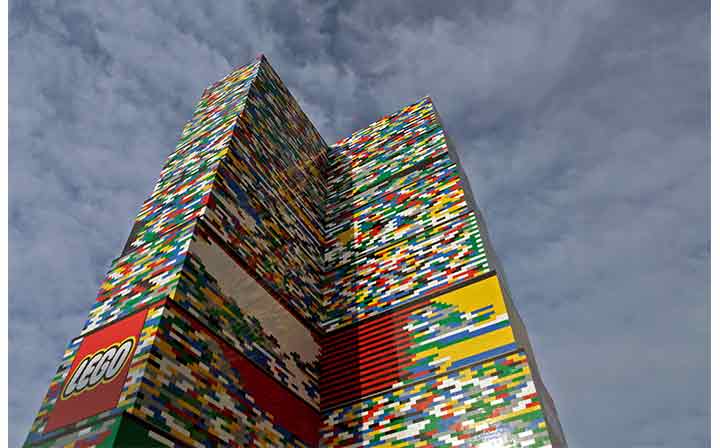
The LEGO Group announced a significant investment of DKK 1 billion (approximately € 135 million) dedicated to research, development and implementation of new, sustainable, raw materials to manufacture LEGO® elements as well as packaging materials. The LEGO Group believes a new sustainable material must have an ever-lighter footprint than the material it replaces across key environmental and social impact areas such as fossil resource use, human rights and climate change.
The European Investment Bank (EIB) and Metsäliitto Cooperative signed last Friday a EUR 75 million loan agreement for the construction of a new large-scale bio-product mill in Finland (Äänekoski). The financing will be submitted for backing by the EU budget guarantee under the European Fund for Strategic Investments (EFSI).
A draft law to cap crop-derived biofuel production and accelerate the shift to alternative sources was voted by Parliament on Tuesday. It aims to cut greenhouse gas (GHG) emissions caused by the growing use of farm land for biofuel crops. Parliament has been calling since 2008 for the ILUC factor to be taken into account in EU biofuels policy, while biofuels grown on farm land have received up to €10 billion per year in public subsidies.
According to Reuters, EU antitrust regulators have raided several bioethanol companies suspected of fixing prices and at the same time stepped up their two-year investigation into possible rigging of biofuel price benchmarks by including a company in Spain in the case.
Michael Carus, managing director of the nova-Institut. Copyright: nova-Institut 2014
We receive and publish with pleasure this comment by Michael Carus, managing director of the nova-Institut, regarding our exclusive interview with John Bell, Director of Bioeconomy Directorate, European Commission.
We are glad to promote the debate.
Dear Mario,
with interest, we read your interview with John Bell. While we were glad to read that DG RTD is now somewhat recognizing the adverse effects of the RED, we found the later parts of the statement concerning the RED still too short-sighted. They make clear why the sector of chemicals and materials is developing so slowly and why we are losing shares of worldwide investment.
John Bell, Director Bioeconomy Directorate EU Commission
The European bioeconomy and its contribution to the creation of jobs and economic growth. The Juncker agenda and the new plans of the European Commission to foster the development of the bioeconomy . These are just some of the topics addressed by John Bell – Director of Bioeconomy Directorate of the European Commission – in this exclusive interview with Il Bioeconomista.
“The Bioeconomy – Bell says – contributes to generating jobs and growth, whilst increasing Europe’s competitiveness worldwide as well as decreasing the environmental footprint of our economy. It is furthermore closely related with other key priorities of the Juncker Commission, such as the Climate and Energy Union.”