Stuttgart, Germany, is the first city in Europe to launch its own bioeconomy strategy. Il Bioeconomista has interviewed Dr. Max Schuchardt, who developed the bioeconomy strategy of the City of Stuttgart, and Dr. Elisabeth Saken-Braunstein, who is leading the bioeconomy team at the Ministry of Environement, Climate and Energy and the strategic development of the urban and industrial bioeconomy strategy section in the Amendment of the bioeconomy strategy of Baden-Württemberg.
Bologna, Italy, will be the capital of circular bioeconomy from 3 to 4 October. The International Forum on Industrial Biotechnology and Bioeconomy (IFIB) will be held in this beautiful city this year at the Golinelli Foudnation.
The Food and Agriculture Organization of the United Nations (FAO) recently joined the National Commission on Research, Science, and Technology (NCRST) to officially launch Namibia’s very first Sustainable Bioeconomy Strategy 2024-2029. This landmark strategy, developed in collaboration with the Ministry of Higher Education, Technology, and Innovation (MHETI), represents a significant milestone as Namibia becomes the second African country to adopt a National Bioeconomy Strategy.
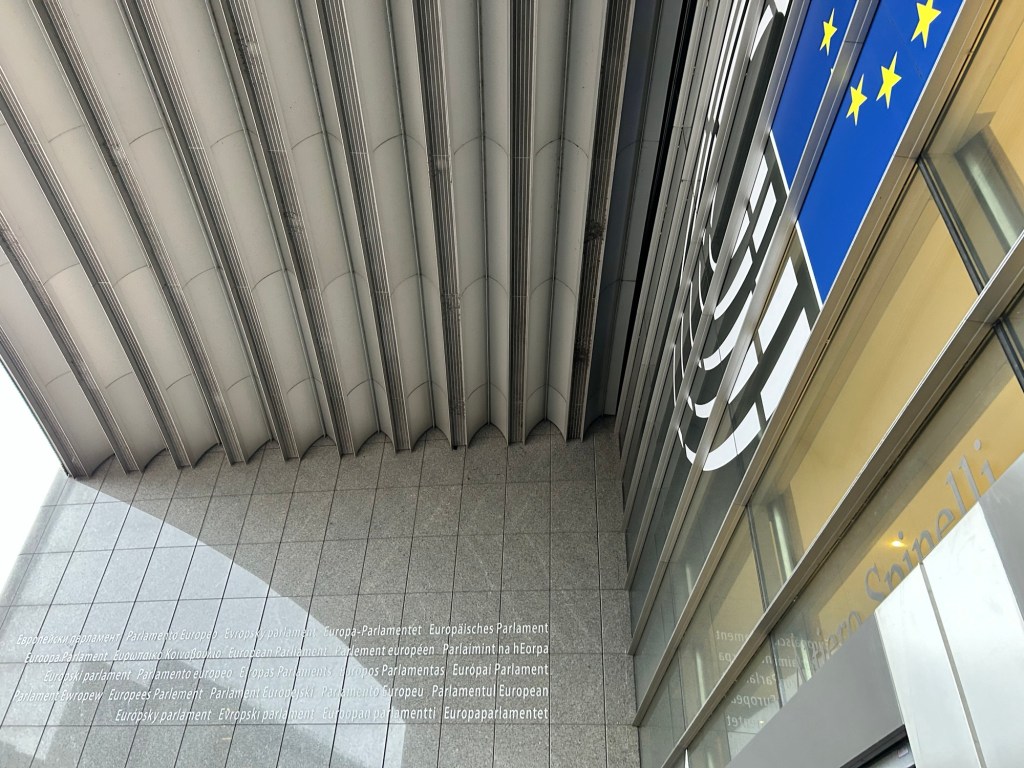
“This phrase by Robert Schuman, founder of Europe, has marked my political commitment from the start. “Europe will not be made all at once, or according to a single plan: it will be built through concrete achievements which first create a de facto solidarity.” It summarizes Schuman’s pragmatic and progressive approach to building European unity, starting with specific projects that could bring nations together and build a basis for cooperation and mutual trust. The analogy with the Bioeconomy is perfect.” To say this – in this exclusive interview with Il Bioeconomista – is Franck Leroy, the President of the Grand Est Region in France, one of the leading bioeconomy regions at European level. He talks about the role of the bioeconomy fur the future of the Region is governing, for France and for the European Union, inviting all our readers to vote for the next election of the EU Parliament (and we fully support his invitation). “It is therefore essential – he states – that public policies are consistent with each other, to foster innovation and the development of the Bioeconomy in our territories, in our countries, and in our continent. And I believe that the regional level is undoubtedly the most relevant level to intersect all these ambitions.”
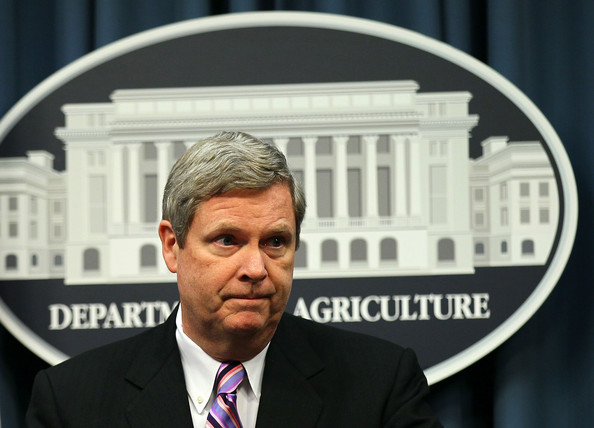
The U.S. Department of Agriculture (USDA)released a plan that will boost biomass supply chain resiliency for domestic biobased product manufacturing, while also advancing environmental sustainability and market opportunities for small and mid-sized producers.
The U.S. Department of Agriculture (USDA) honored last 8 March the second annual National Biobased Products Day, a celebration to raise public awareness of biobased products, their benefits and their contributions to the U.S. economy and rural communities. “Bioproducts offer opportunities for more revenue streams for small and mid-sized farmers while giving consumers more in-demand, clean options for everyday items.”
A Festival that aims to engage youth as drivers of the transformative change required in view of the multiple challenges that Europe faces today, and to unlock the potential of the bioeconomy to make the transformation happen. This is the ‘Bioeconomy Changemakers Festival’ organised by the European Commission (DG Research and Innovation) in cooperation with the Bioeconomy Youth Ambassadors, and accompanied by independent satellite events all over Europe on March 13 and 14
In addition, the Festival helped the European Commission to gather views on an update of the Bioeconomy Strategy and Action Plan.
It took place between 11 and 17 of March 2024 in various locations across the EU, and comprised of:
a high-level event, organised by the European Commission, in Brussels, on 13-14/03/2024.
more than 30 satellite events, organised by third party organisations all over Europe, to enable youth to take part in the festival.
The target audience of the high-level event of 13-14 March 2024 consists of bioeconomy stakeholders, regional, national and international policy makers and youth interested in the bioeconomy.
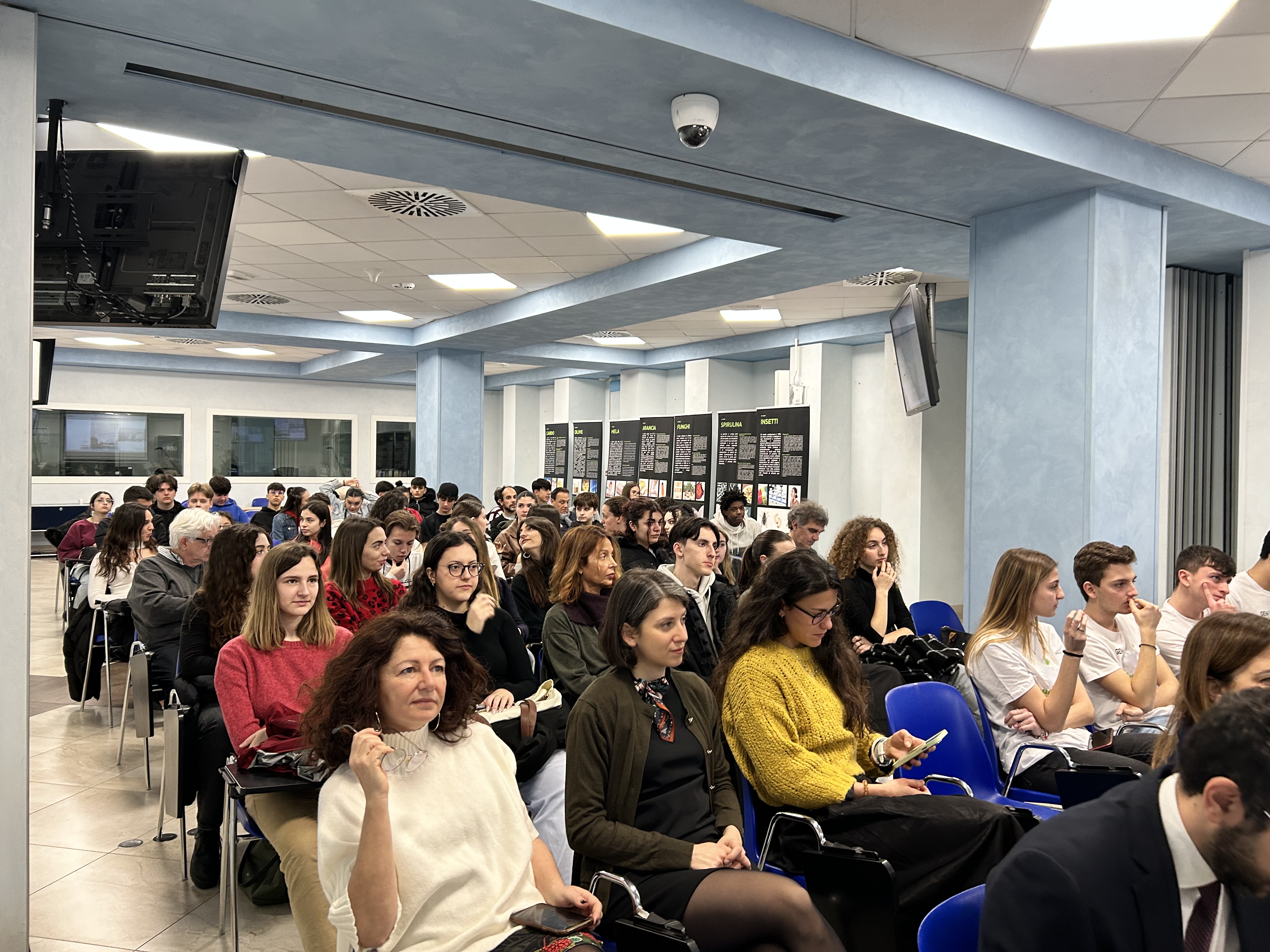
The satellite events, organised in 18 countries, are offering space for discussions, networking, and information on career opportunities.
Equal opportunity and equal treatment in the labour market are at the core of decent work. Unfortunately, women around the world still face additional hurdles to access employment, and once in employment, to access decision-making positions and jobs in certain sectors or of certain characteristics. This horizontal and vertical gender segregation of employment, combined with the unequal distribution of unpaid work (including household and childcare activities), results in differences in working conditions such as the gender pay gap and the over-representation of women in part-time jobs.





 IL BIOECONOMISTA