It is not a good time to Versalis. But, despite the uncertainty about its future, the chemical company of Italian oil giant Eni continues to focus on green chemistry together with Elevance Renewable Sciences. The high-growth company (headquartered in Woodridge, Illinois), that creates novel specialty chemicals from natural oils, has recently and successfully completed scale-up of a second-generation biorefinery technology of the company’s olefin metathesis technology, utilizing ethylene and natural oil feedstocks.
BioAmber has been listed on the NYSE since May 2013
Mitsui & Co., one of the most diversified and comprehensive trading, investment, and service enterprises in the world (with 140 offices in 66 countries) and BioAmber’s partner in the Sarnia bio-based succinic acid plant, is investing an additional CDN$ 25 million in the joint venture for 10% of the equity, increasing its stake from 30% to 40%. Mitsui will also play a stronger role in the commercialization of bio-succinic acid produced in Sarnia, providing dedicated resources alongside BioAmber’s commercial team. BioAmber will maintain a 60% controlling stake in the joint venture.
Finnish bioeconomy confirms its dynamism. KaiCell Fibers has embarked on a venture to construct a state-of-the-art biorefinery mill as core component in an industry park projected to house several downstream operators drawing on wood as primary raw material.
The project is based on an alliance between Kainuun Liitto (The Regional Council of Kainuu) and NC Capital Partners. KaiCell will tap into the Kainuu region’s extensive and currently under-utilised fibre wood resources, and incorporate BAT (best available technology) to ensure high value-added products, maximum raw material efficiencies and minimum environmental loads throughput the process. Production is planned to commence by 2020.
Novozymes, Danish industrial biotech giant, announces the formation of three divisions: Household Care & Technical Industries, Agriculture & Bioenergy and Food & Beverages.
The aim of the organizational change – the company writes in a note – is to enhance Novozymes’ ability to deliver more innovation to customers with more speed and commercial impact.
The Komi Republic in Northern Russia could host a plant that would produce 100,000 tonnes of bioethanol per year from wood waste. The proposal, coming from Egregor Biotech and Evolution Group, was presented last week, Komiinform news agency reported. Over 15 million rub (196,000 US dollars and 177,000 euro) have already been spent on the project. The total investment required is estimated at 136 million euro. A process to create a pool of investors is underway, with different options for the realisation of the project being considered, including a public private partnership.
“Outside of Brazil, today Europe has the most existing infrastructure, some of the most developed technologies and the most favorable policy supporting the bioeconomy. However, theoretical concerns about land use are being allowed undue sway, which makes the outlook uncertain. Climate change deniers are having a similar effect in America. In contrast, China is showing singular resolve in its commitment to climate and carbon”. To say it – in this interview with Il Bioeconomista – is Anna Rath, founder and Ceo of NexSteppe, the U.S. company dedicated to pioneering the next generation of scalable, reliable, cost-effective feedstock solutions for the biofuels, biopower and biobased products industries. Using advanced breeding techniques and cutting-edge analytical technologies, NexSteppe is developing Malibu sweet sorghum and Palo Alto biomass sorghum to produce feedstocks tailored for these biobased industries. With Anna we talk about biomass and bioeconomy at a Global level.
Alexander Stubb, Finnish minister of Finance and former prime minister
“Bioeconomy need to be communicated and actualized for the citizens of EU.” Jukka Kantola, Chief Executive Officer of NC Partnering, a Finnish bioeconomy advisory company, talks to Il Bioeconomista regarding the state of the art of the bioeconomy in Finland.
Starting from last Friday, jet biofuel is offered to all airlines that refuel at Oslo Airport, making the airport the world’s first to offer this service through the normal supply mechanism. Air BP is the supplier of the jet biofuel and Lufthansa Group, SAS and KLM have already signed agreements to purchase the fuel.
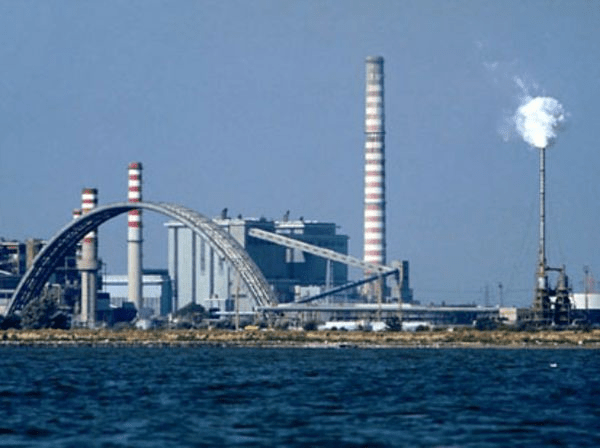
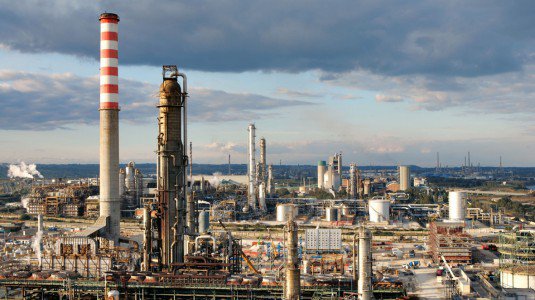
The Italian green chemistry will speak American. Eni confirms that it is in search for a partner for Versalis, its synthetic rubber and chemicals company. In a meeting at the Italian Ministry of Economic Development (Mise), between Mise, Eni, Versalis and representatives from the National Confederation of Industry and Trade Unions regarding the prospects for Eni’s petrochemical business, the Italian oil and gas company said it intended to retain a “significant stake” of Versalis in the partnership to “ensure its objectives are successfully met”.
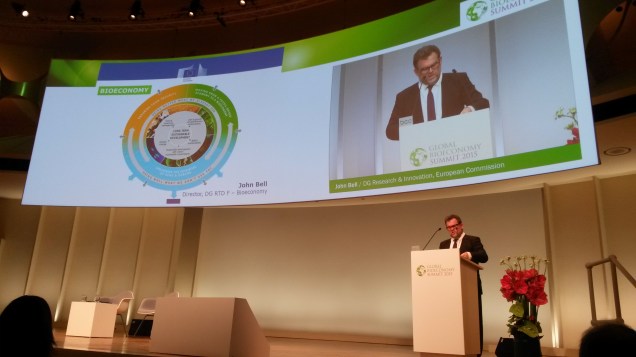
John Bell at Global Bioeconomy Summit in Berlin (25 November 2015)
“The shift to a European bioeconomy is now irreversible and this transition will now accelerate after the COP21”. John Bell, Director of Bioeconomy Directorate of the European Commission, talks to Il Bioeconomista. In this long exclusive interview, the man who is leading the implementation of the European bioeconomy addresses different topics related to this new industrial revolution based on renewable biological resources.
“The sustainability of the bio-based solutions – Bell says – will have to be constantly demonstrated, communicated and debated with stakeholders if we want to convince policy-makers and embed the bioeconomy across Europe. This can happen at different levels. The European Commission is devoting resources to better study the overall biomass available in Europe and its uses, and to assess the efficiency of the bio-based solutions through life-cycle analysis.”


 IL BIOECONOMISTA