“Currently, there are policy frameworks for food, feed and bioenergy, but not for bio-based chemicals and derived materials. This gap puts the bio-based chemicals and derived materials sector at a disadvantage, and has also an impact on investments in Europe.”. Dirk Carrez, executive director of BIC (Biobased Industries Consortium) talks to Il Bioeconomista.
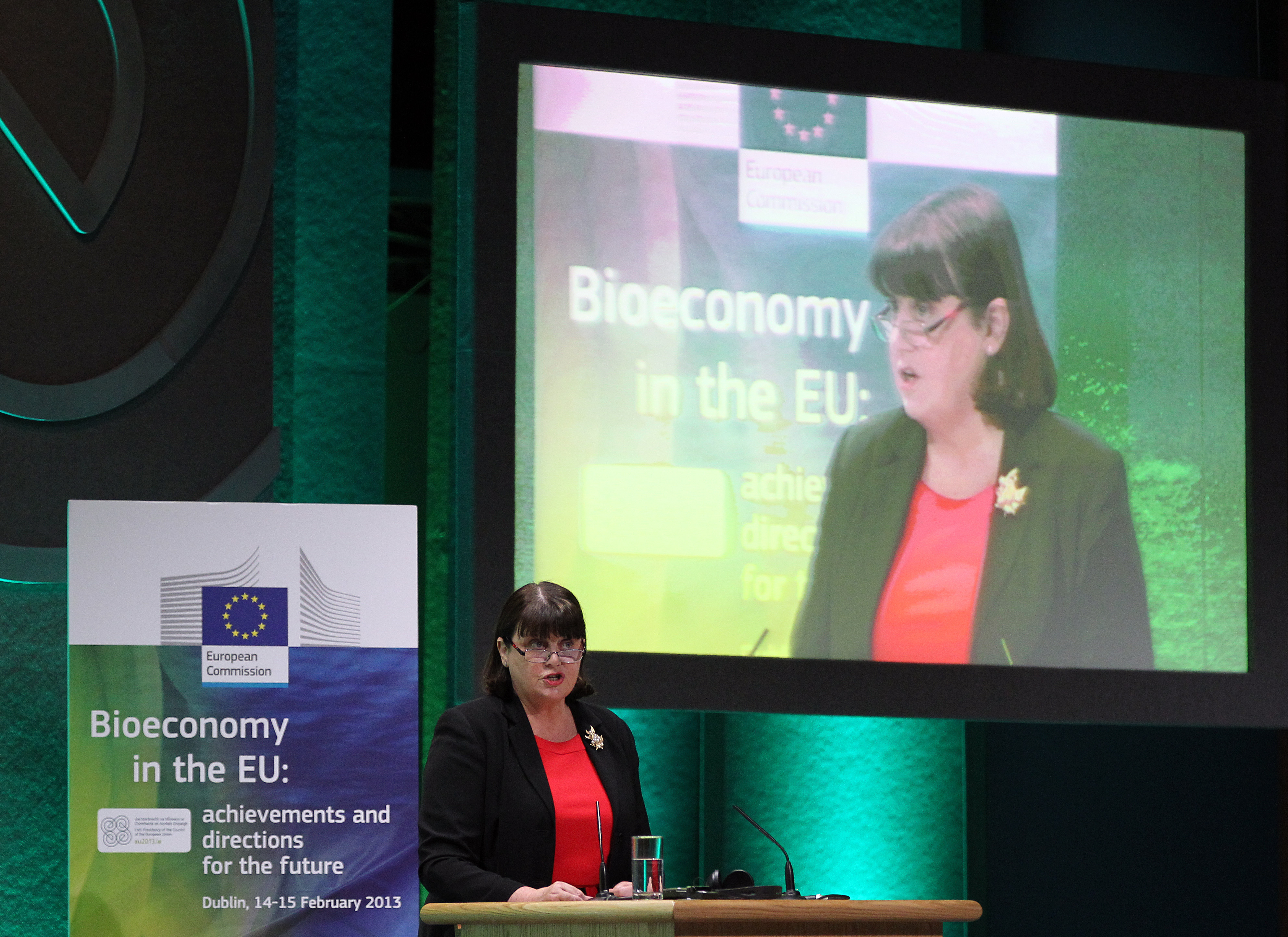
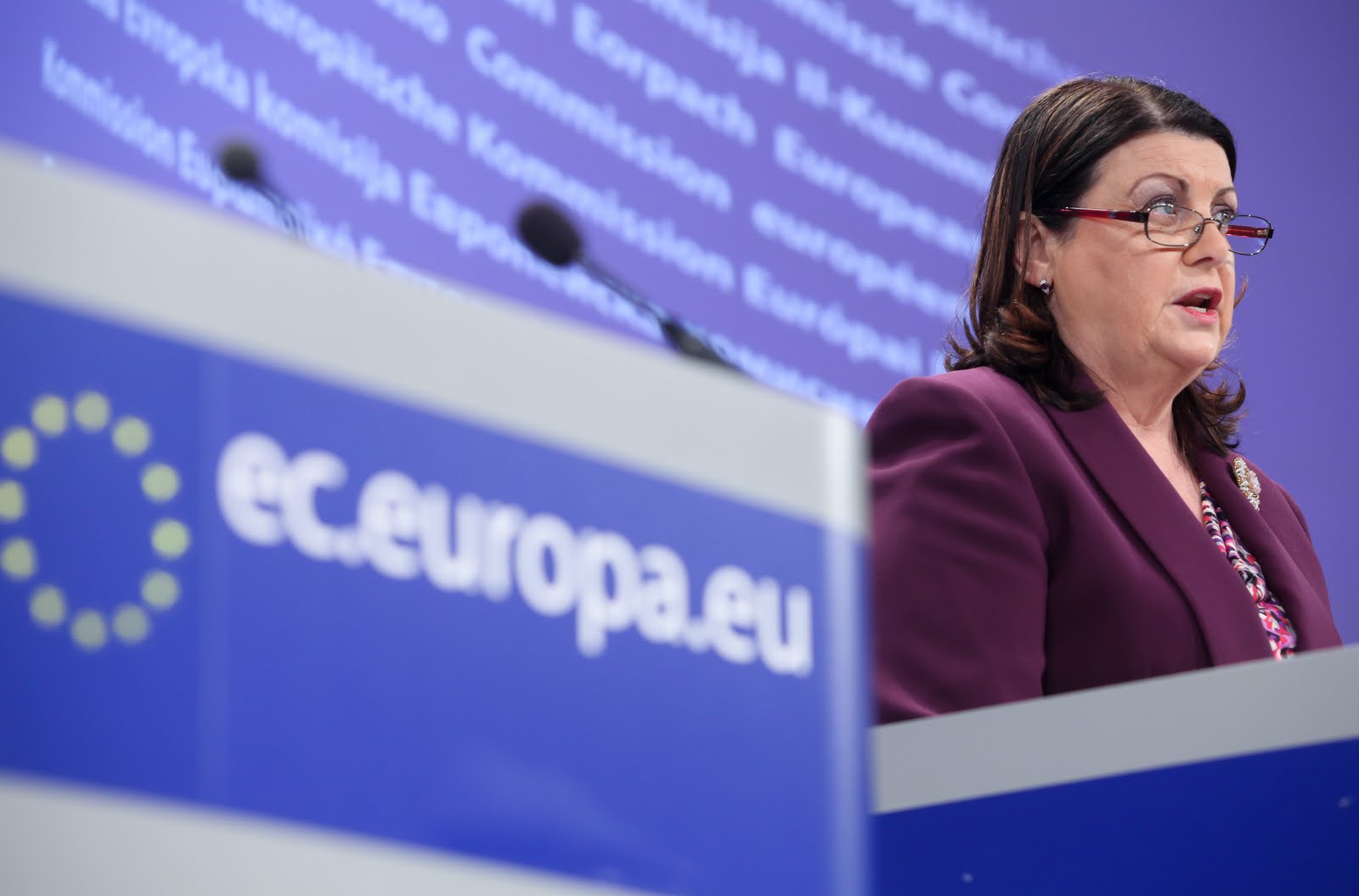
Former EU Commissioner Máire Geoghegan-Quinn speaks to delegates during the Bioeconomy conference in Dublin on February 14, 2013.
Contribute to the sustainability of society by designing a bio-based product or process. This was the task set for pioneering student teams participating in the third edition of the European Biobased Student Innovation Challenge 2021. The five finalists presented their innovative projects to a jury consisting of leading experts from across the bio-based sector. The combined votes from the expert jury and an audience of bio-based industry representatives decided which of the top five teams was the overall winner of BioSYNERGISE 2021, an event organised by the Bio-based Industries Consortium (BIC). Team WaterSkins from the Netherlands rose to the top with their innovative idea to harness wastewater to produce a leather-like material.
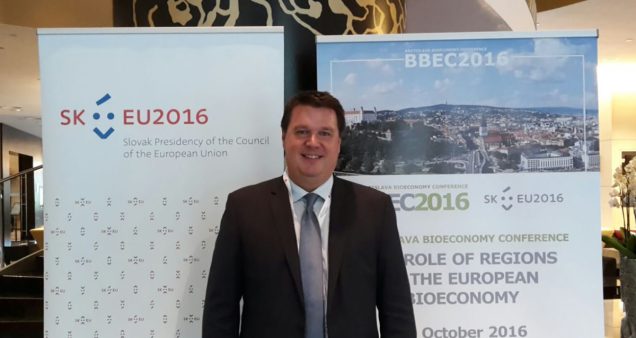
The Bio-based Industries Consortium (BIC), Europe’s leading industry association putting circularity, innovation and sustainability at the heart of the European bioeconomy, has partnered with the European Committee of Regions (CoR) to develop a new partnering platform to connect the bio-based industries and European regions.
“Europe is becoming a very attractive area to invest in bio-based Industries: where BIC members were announcing a portfolio of 2bn euros investment in 2014 the same survey announced 5 bn euros investments in 2017”. To say it – in this long, exclusive interview with Il Bioeconomista – is Philippe Mengal, executive director of the BBI JU. The Bio-Based Industries Joint Undertaking is a €3.7 billion Public-Private Partnership between the EU and the Bio-based Industries Consortium. Operating under Horizon 2020, it is driven by the Vision and Strategic Innovation and Research Agenda (SIRA) developed by the industry
According to Mengal, “The next decade is a critical period for the EU. We need to reinvent our economy to face the challenges of climate change and resource constraints. Europe is committed to excelling in smart, sustainable growth and mobilizing investment to create new products and new markets is key”.
Two leading European bioeconomy players, the Bio-based Industries Consortium (BIC) and the Vanguard Initiative, have signed a Memorandum of Understanding (MoU) for better interregional cooperation on the bioeconomy.
The collaboration will support improved access to funding and awareness-raising activities, marrying BIC’s bioeconomy expertise with the Vanguard Initiative’s regional network to help steer Europe away from its fossil-based past and develop novel products for new markets, creating more jobs.
The Bio-based Industries Joint Undertaking, a public-private partnership between the EU and the Bio-based Industries Consortium (BIC), has approved the funding of 10 projects totalling €120 million to boost the EU capacity to stimulate growth and jobs via a more circular, low carbon and sustainable bioeconomy.
The Biobased Industries Consortium (BIC), a cross sector group of 48 large and small companies, has joined forces with the European Commission to set up an unprecedented Public Private Partnership worth 3.8 billion euros to accelerate the deployment of biobased products in Europe by 2020.
The Biobased Industries PPP is part of the European Commission’s Innovation and Investment Package that was released today in Brussels. The package is intended to stimulate the European economy, create jobs and tackle major societal challenges through research, innovation and deployment. Continue reading →


 IL BIOECONOMISTA