Synbio start-ups need an average of 7.4 years to launch first chemical product

image
Global Bioenergies' lab

Synthetic biology start-ups developing technologies to convert biomass and other non-petroleum feedstocks into chemicals and materials need, on average, 7.4 years to launch a product, according to a Lux Research analysis. Using this data to project the output from the current crop of young synbio companies suggests most are likely to launch first products between 2017 and 2022, with a peak occurring between 2019 and 2020.
Continue reading

A Dutch initiative investigates how waste can be used to produce biochemicals

image
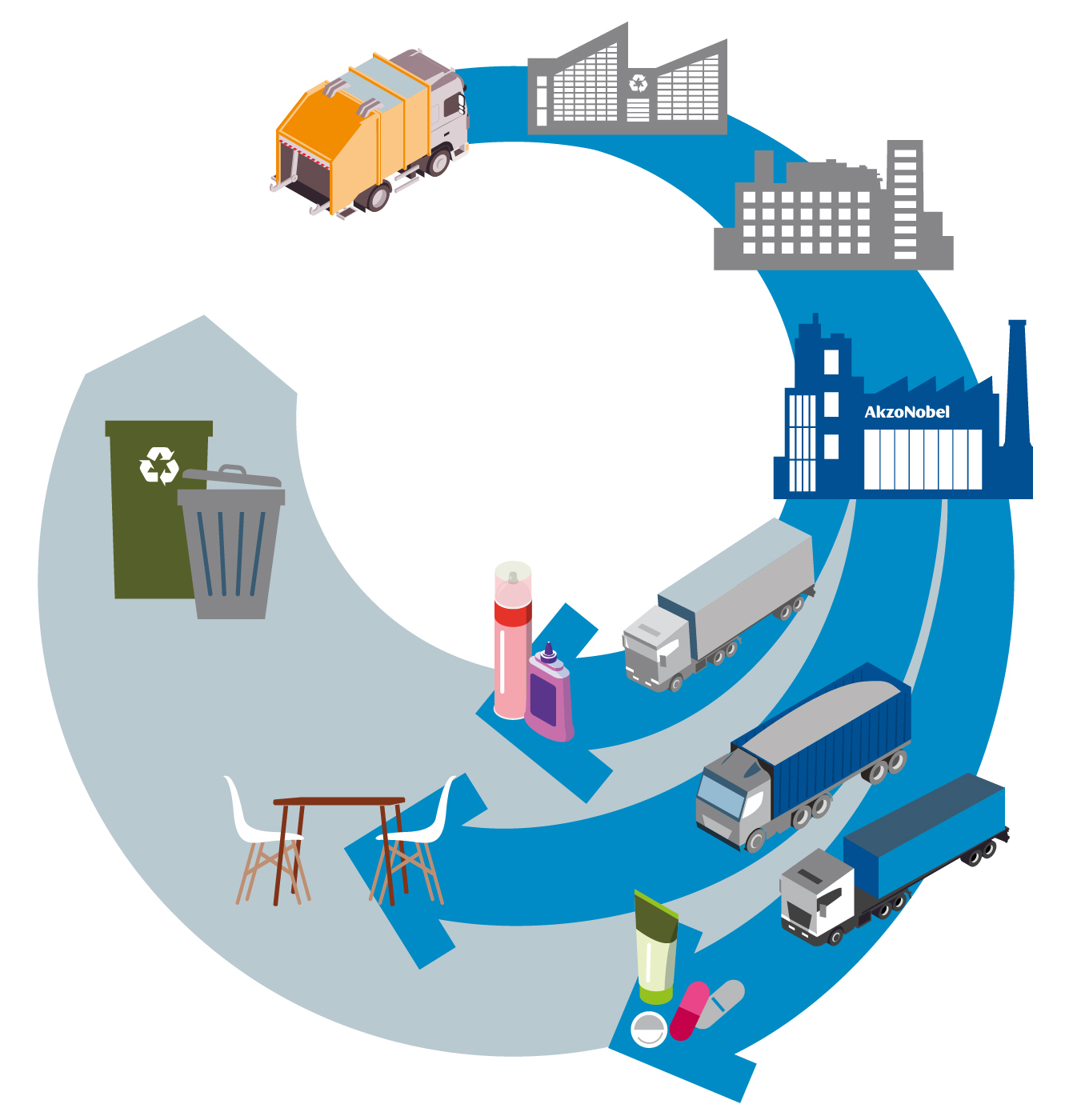
Copyright AkzoNobel

A major Dutch initiative designed to investigate how waste can be used as a raw material to produce chemicals has more than doubled in size since being launched late last year. Initially formed by AkzoNobel, Enerkem and four regional partners, the collaboration has since attracted eight more commercial parties.

Continue reading

AkzoNobel has finalized the €153 million divestment of its global paper chemicals business to Kemira

image

AkzoNobel has finalized the €153 million divestment of its global paper chemicals business to Kemira. The deal was first announced in July 2014.

“This is another important step in our strategy to focus on leading positions in bleaching chemicals, colloidal silica and expandable microspheres,” says Niek Stapel, Managing Director Pulp and Performance Chemicals. “The deal includes an agreement for distribution of colloidal silica to the paper industry and we are looking forward to future growth of this product line.”

Continue reading

US researchers modify and optimize the microbes to convert waste into fuel or chemicals

image
Jennifer Holmgren, Ceo of Lanzatech

Scientists focused on producing biofuels more efficiently have a new powerful dataset to help them study the DNA of microbes that fuel bioconversion and other processes.

In a paper published in Nature Scientific Data, researchers from the Department of Energy’s Oak Ridge National Laboratory, North Carolina State University and LanzaTech describe methods and results for sequencing the Clostridium autoethanogenum bacterium. These and other microorganisms play important roles in biofuels, agriculture, food production, the environment, health and disease.

Continue reading

Global Bioenergies obtaines 4.4 million euro loan for its demo plant in Germany

image
Global Bioenergies' lab

Global Bioenergies, French biotech compamy that is developing a process to convert renewable resources into hydrocarbons through fermentation, announces having obtained a 4.4 million euro loan from a consortium managed by BNP Paribas, Société Générale, CIC and Bpifrance to complete the financing of its demo plant in Germany. The loan, reimbursable over 5 years, is covered by guarantee funds of the Ile-de-France Region. The construction phase began yesterday and will last one year.

Continue reading

Mitsubishi develops the first bio-based polycarbonatediol used for automotive interior

Mitsubishi Asx interior

Mitsubishi Chemical Corporation, a subsidiary of Japanese Mitsubishi Chemical Holdings Corporation, announces that it has developed the world’s first bio-based polycarbonatediol, a type of high-performance polyols, and will begin worldwide market development and sales in April of this year. MCC uses proprietary manufacturing processes to produce the new product, which is of an entirely different composition than any other currently available polycarbonatediols.

Continue reading

We will have bio-based ski boots, skates and shoe soles

image
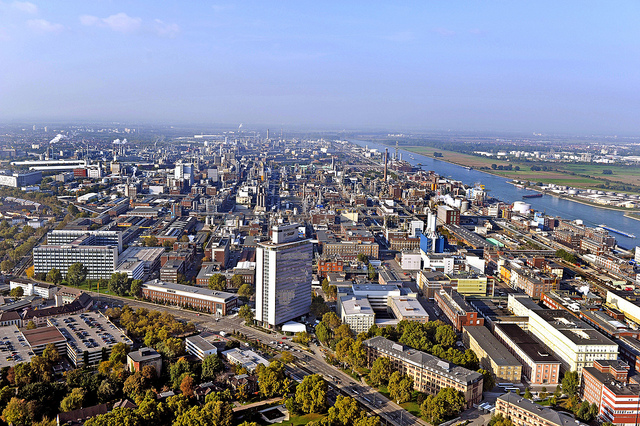
Headquarter of Basf in Ludwigshafen

“The bio-based PolyTHF 1000 is identical in quality to the petrochemical-based product.” To say it is Andrej Brejc, director Renewable Diols from BASF’s Intermediates division (sales to third parties of about 2.8 billion euro in 2014), which has made bio-based Polytetrahydrofuran 1000 (PolyTHF® 1000) available for the first time. The chemical company headquartered in Ludwigshafen is now providing this intermediate to selected partners for testing various applications in a large scale.

Continue reading

The bioeconomy speaks Dutch: today starts in Amsterdam the World Bio Markets

image
Dam Square in Amsterdam

Today starts in Amsterdam the 10th annual World Bio Markets, an event which will focus on three bioeconomy core topics: biofuels, bio-based chemicals and feedstock supply, security and selection.

Continue reading

Bio-on and Eridania Sadam develop together bio-based levulinic acid

image
Marco Astorri, bio-on Ceo

The Italian bioeconomy is growing. Bio-on, an innovative industrial biotech company, and Eridania Sadam, sub-holding of the agro-food sector owned by the Maccaferri Group of Bologna, will work together on defining and optimising the production of levulinic acid, a key molecule for the sustainable and low-impact future of the chemical industry. Already available on the international market, but in insufficient quantities, levulinic acid is currently obtained from industrial processes with an environmental impact that fails to meet European standards. 

Continue reading

VWR achieves a new acquisition in the high growth biochemical industry

image
VWR is headquartered in Radnor, PA

VWR, a US leading, independent provider of laboratory products, services and solutions, announced that it has acquired National Biochemicals (NBC), a full service raw material manufacturer and supplier to the biochemical industry. This acquisition will enhance VWR’s growing custom chemical and biochemical manufacturing portfolio, building upon previous successful acquisitions in this segment.

Continue reading