Solvay launches bio-based polyamides for use in smart mobile devices

A new portfolio of bio-based high-performance polyamides for use in smart mobile devices such as smart phones

Solvay Specialty Polymers has announced a major extension of its Kalix high-performance polyamide (HPPA) product line, launching a new portfolio of bio-based high-performance polyamides offered for use in smart mobile devices such as smart phones, tablets, laptops, and other smart mobile electronics. The introduction includes the Kalix HPPA 3000 series, the first bio-based amorphous polyphthalamides (PPAs), and the Kalix 2000 series, a family of bio-sourced semi-crystalline polyamide grades that provide outstanding impact performance. Solvay unveiled the new materials at K 2013 (Hall 6 Stand C61), the 19th International Trade Fair for Plastics and Rubber Worldwide, which runs October 16-23, in Düsseldorf, Germany.
Continue reading

From Naples the Italian bioeconomy opens to the world

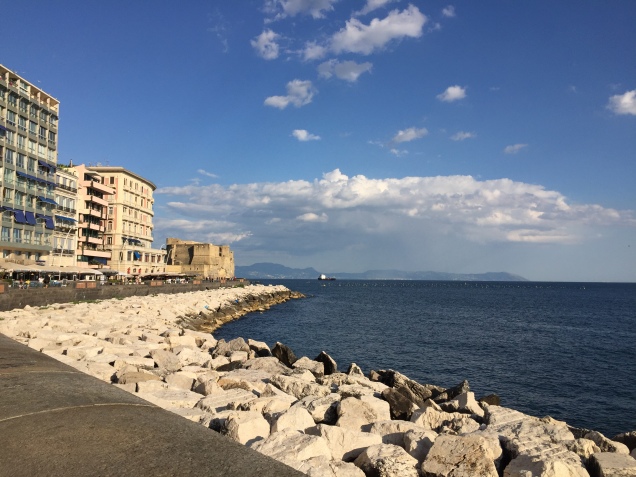
Naples will be the Euro-mediterranean capital of the bioeconomy for a couple of days. The Italian Forum on Industrial Biotechnology and Bioeconomy (IFIB) goes to the wonderful city of Southern Italy from 22 to 23 October 2013 at Castel dell’Ovo (Egg Castle), a seaside castle located on the former island of Megaride, now a peninsula, on the gulf of Naples .
With around 250 delegates in attendance from approximately twenty different countries from all around the world, the conference truly succeeds in its ambitious aim to transform from an Italian event to a Euro-mediterranean congress for the vibrant and dynamic sector of the bioeconomy.

Continue reading

Mossi & Ghisolfi and Novozymes open in Northern Italy the world’s first advanced biofuels biorefinery

Crescentino Plant View

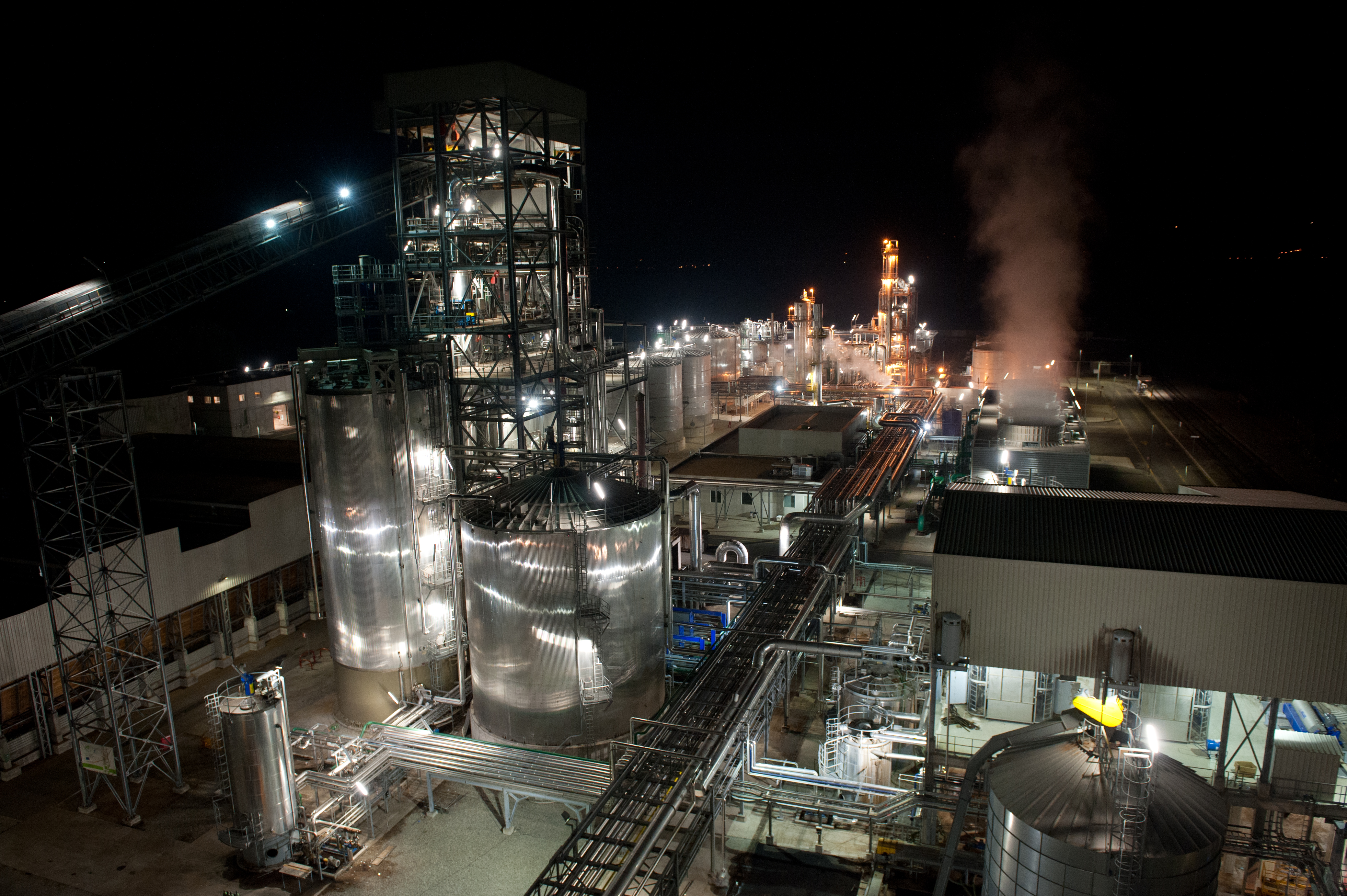
Beta Renewables, a global leader in cellulosic biofuels and part of the Mossi & Ghisolfi Group, and Novozymes, the world’s largest producer of industrial enzymes, today marked the official opening in Crescentino (Northern Italy) of the world’s largest advanced biofuels facility. Situated in fields in the Piedmont region, it is the first plant in the world to be designed and built to produce bioethanol from agricultural residues and energy crops at commercial scale using enzymatic conversion.

Continue reading

Si chiude Efib 2013: l’Europa spinga sull’acceleratore della bioeconomia

Si chiude l’edizione 2013 di Efib, il forum europeo sul biotech industriale e la bioeconomia che quest’anno ha avuto Bruxelles come citta’ ospitante. Si chiude con all’attivo un incremento delle presenze, ma soprattutto con un metasettore che chiede a gran voce una spinta sull’acceleratore della competitivita’ da parte dell’Unione europea.

Continue reading

Uruguay implements tax incentives for Biotech industry until 2021

Montevideo (Uruguay), the Parliament

There are not only Brazil and Argentina in the Latin-American bioeconomy. Uruguay has recently approved strong tax incentives for biotech companies. This new law is a milestone in the implementation of the national strategic plan for Uruguay’s fast growing biotech industry which has been officially declared strategic for the country’s future industrial development. Continue reading

In Denmark the world’s first biomass-based plant to produce a sustainable marine fuel

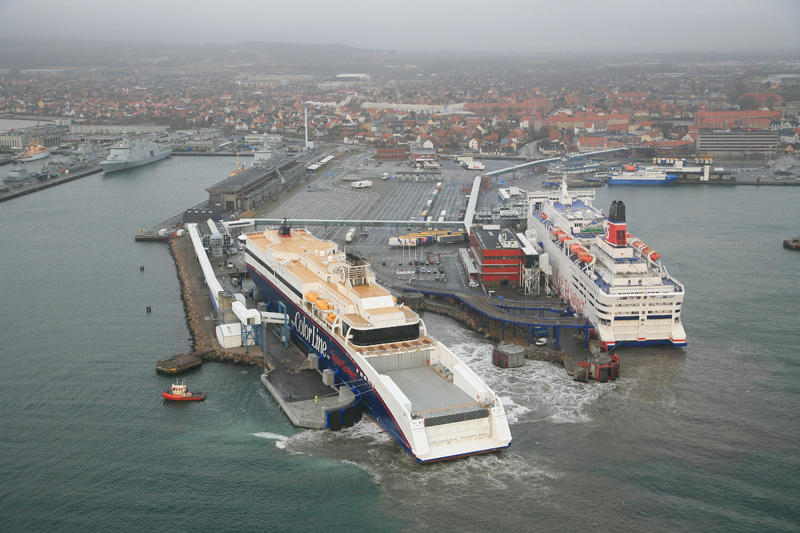
Port of Frederikshavn (Denmark)

The Port of Frederikshavn, in Denmark, and Steeper Energy, a Danish specialist energy project and technology development company , along with Aalborg University has entered into a partnership to establish the world’s first biomass-based plant to produce a sustainable marine fuel. The plant will produce sulphur-free fully renewable fuel for the several thousand vessels passing through the port annually. A new zero-tolerance law on sulphur content as well as the general acceptance that every part of society must do its part for climate change are the keys for success, according to the consortium.

Continue reading

The European Parliament called for a 6% cap on the use of traditional biofuels

European Parliament, Brussels
The European Parliament called for a cap on the use of traditional biofuels and a speedy switchover to new biofuels from alternative sources such as seaweed and waste, in a vote on draft legislation yesterday. So called “first-generation” biofuels – from food crops – should not exceed 6% of fuel used in transport by 2020, amending the target from 10%.The measures aim to reduce greenhouse gas emissions that result from the increasing turnover of agricultural land to biofuel production.

Continue reading

The European Parliament is debating the future of biofuels

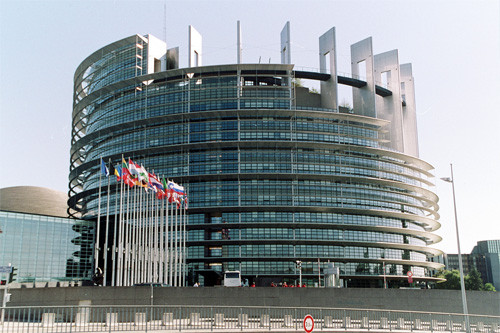
European Parliament, Strasbourg

New proposals which aim to limit the percentage of biofuels that can be used in transport fuels continue to divide opinion among European policymakers and stakeholders.

The fuel quality directive and renewable energy directive proposal, adopted by parliament’s environment committee, include new rules that take into consideration the impacts of producing biofuel crops.

Continue reading

Exclusive interview with Michael Carus: “The existing political framework is a hurdle for the bio-based economy in Europe”

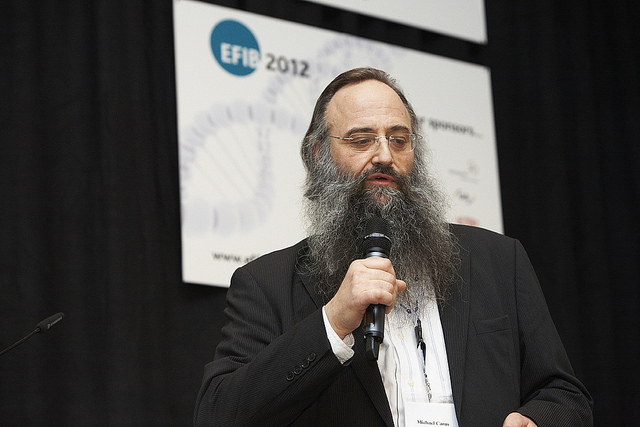
Michael Carus, managing director of the nova-Institut

“A comprehensive analysis of hurdles carried out by nova-Institut shows that the RED (which will in future be associated with the FQD – Fuel Quality Directive 9870 – in the transport sector) is one of the main causes of the longstanding and systematic discrimination between material and energy uses. The RED hinders the development of material use and therefore that of the whole bio-based economy. Unfavorable framework conditions combined with high biomass prices and uncertain biomass supplies deter investors from putting money into bio-based chemistry and plastics – even though these would produce higher value and greater resource efficiency”. To say it is Michael Carus, physicist and managing director of the nova-Institut, the German private and independent Scientific Institute specialized in the bioeconomy, one of the most prestigious at the European level. In this interview with Il Bioeconomista, Carus uses the phrase “Misallocation of biomass” to define the effects of the RED (Renewable Energy Directive), since “this is blocking higher value material uses like chemicals and plastics from coming to fruition”. And explains his point of view on the first generation vs. second generation biofuels issue.

Interview by Mario Bonaccorso

Continue reading

Brussels center of gravity of the world bioeconomy. EFIB 2013 returns to Europe’s capital

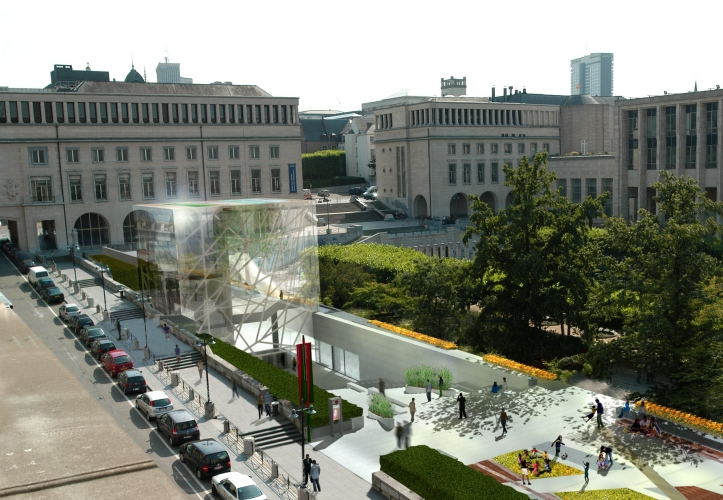
Square Cube in Brussels

EFIB returns to Brussels. From 30th September to 2nd October the European Forum for Industrial Biotechnology and the Biobased Economy (EFIB)  returns to Europe’s capital, where it was first launched 5 years ago. Since then, the event has grown tenfold in size but remains true to its goal of providing the premier meeting place for business and policy throughout the biobased value chain.

Continue reading