
Boeing is buying 9.4 million gallons (35.6 million liters) of blended sustainable aviation fuel (SAF) to support its 2024 U.S. commercial operations, reducing its carbon emissions and working to help grow the supply of the fuel globally. This is the company’s largest annual SAF purchase, more than 60% higher than its buy in 2023. The blended fuel – 30% SAF made from waste by-products such as fats, oils, and greases and 70% conventional jet fuel – will support the Boeing ecoDemonstrator program and Boeing U.S. commercial operational flights.

 The South African Airways Group (SAA) last Friday operated Africa’s first sustainable biofuel flights. The flights on Boeing 737-800s between Johannesburg and Cape Town made history as the first sustainable biofuel flights to have taken place on the African continent. They used home-grown feedstock from the Marble Hall area in the Limpopo region of South Africa as part of Project Solaris, a biofuels project named after the energy tobacco plant used (a technology made in Italy). The nicotine-free, hybridised tobacco plant lends itself to the production of biofuel as the Solaris plant produces small leaves and prodigious flowers and seeds that are crushed to extract a vegetable crude oil. The Solaris plant is ideally suited for this purpose as the remaining seedcake is used as a high protein animal feed supplement that also contributes to food security.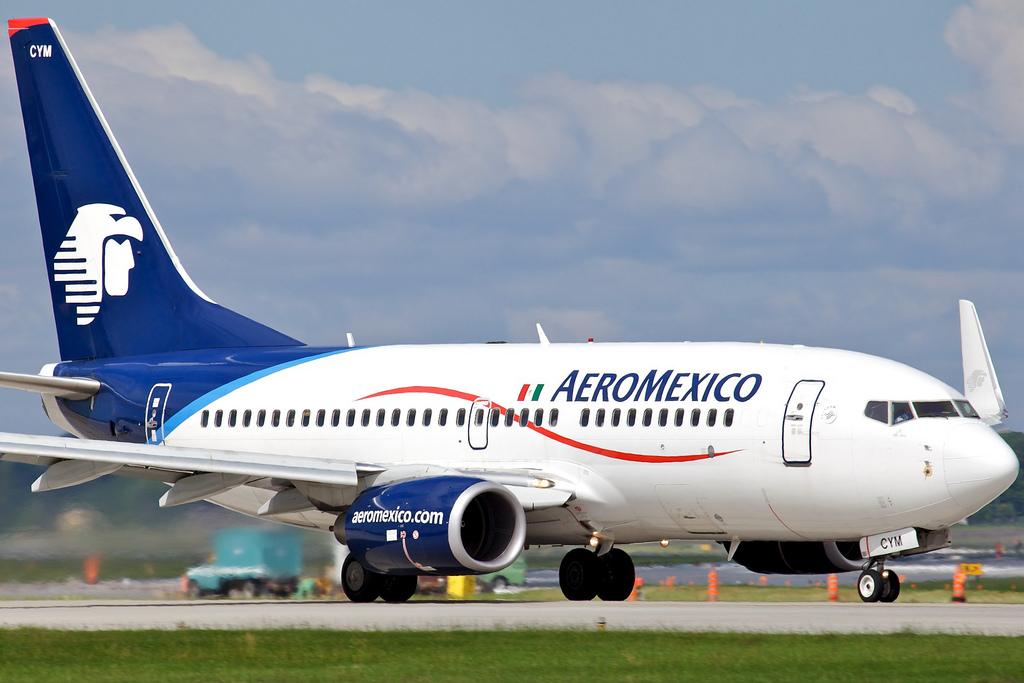

 IL BIOECONOMISTA