The Metsä Group’s bioproduct mill start-up will begin in mid-August, and pulp deliveries from the new mill to customers will begin in early September. The current pulp mill at Äänekoski – the company announced – will be shut down once the bioproduct mill starts up.
Finland is the cradle of the bioeconomy. And maybe someone could someday propose to change the name from Finland to Bio-land. The latest news is that buses in the Helsinki region and most of machinery and trucks used by the City of Helsinki are switching to waste and residue-based biofuels. Helsinki Region Transport HSL, the City of Helsinki and the producers of renewable fuels involved in the project are all pioneers in carbon-neutral transport. The project is internationally significant.
In Finland, NC Partnering has launched a new bio-ecosystem called the BioFutureFactory, “a highly fertile growing ground for a multitude of emerging bio-economy projects and applications, and with the added beauty of being a concept that is a perfect example of circular economy”, explains Jukka Kantola, CEO of the Finnish company in a talk with Il Bioeconomista about this new project, which aims at bringing costs of the feedstock down to enable bio-operators to build their operations on sustainable, renewable and economical premises.
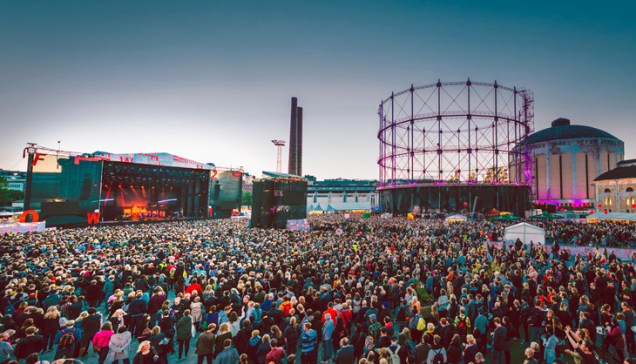
Flow Festival, which will take place between 12 and 14 August in Suvilahti, Helsinki, will be a carbon-neutral event, seeking to minimize emissions through comprehensive environmental work. Neste, the world’s leading producer of renewable diesel, will provide Neste Renewable Diesel made 100% from wastes and residues to the generation of electricity requirements of Flow. Most of the electricity required for the festival will come from generators, as the electric grid in the area can only supply a small fraction of the power required for the event.
“Creating a common framework and standardised system to evaluate the bio-based products, along with mandatory targets for biosourced products in public procurement, would certainly provide a boost the European bioeconomy. Improving access to finance for research and innovation would also foster growth.” Arno van den Ven, Senior Vice President, Innovation in Stora Enso’s Biomaterials division, talks to Il Bioeconomista. In this long exclusive interview he talks about Stora Enso Biomaterials, the wood-based economy and how to foster growth in the European bioeconomy.
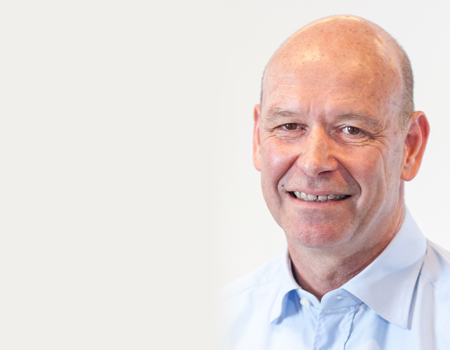
Ilkka Hämälä, CEO of Metsä Fibre, a part of Metsä Group
Metsä Group, the Port of Helsinki and the City of Helsinki have reached an agreement on the use of the harbour and the lease of an area for a terminal building of around 30,000 square metres. The terminal will serve as an export warehouse for the bioproduct mill and will be completed before the mill is inaugurated in the third quarter of 2017.
Finnish bioeconomy confirms its dynamism. KaiCell Fibers has embarked on a venture to construct a state-of-the-art biorefinery mill as core component in an industry park projected to house several downstream operators drawing on wood as primary raw material.
The project is based on an alliance between Kainuun Liitto (The Regional Council of Kainuu) and NC Capital Partners. KaiCell will tap into the Kainuu region’s extensive and currently under-utilised fibre wood resources, and incorporate BAT (best available technology) to ensure high value-added products, maximum raw material efficiencies and minimum environmental loads throughput the process. Production is planned to commence by 2020.
Alexander Stubb, Finnish minister of Finance and former prime minister
“Bioeconomy need to be communicated and actualized for the citizens of EU.” Jukka Kantola, Chief Executive Officer of NC Partnering, a Finnish bioeconomy advisory company, talks to Il Bioeconomista regarding the state of the art of the bioeconomy in Finland.
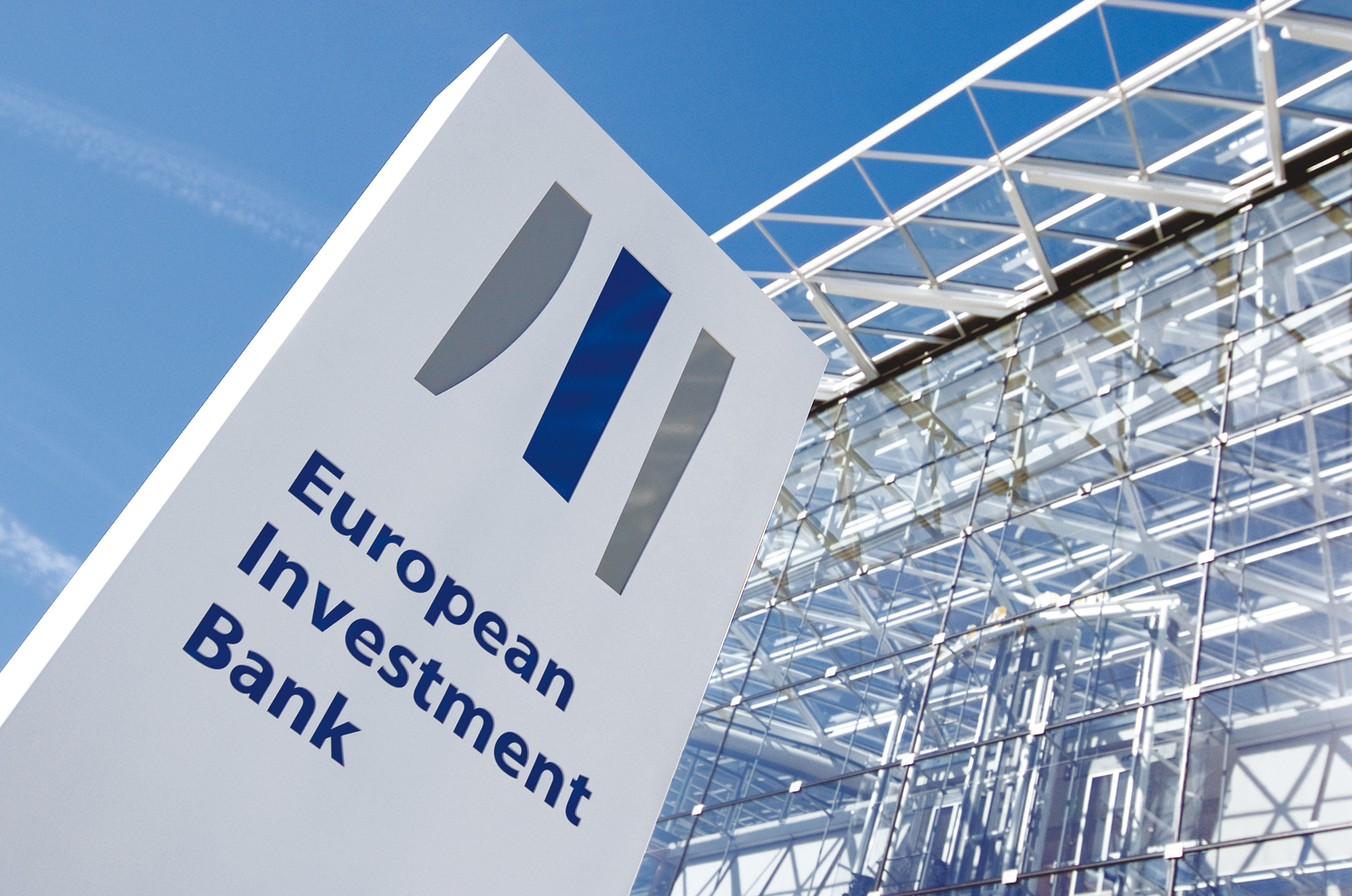
The European Investment Bank (EIB) and Metsäliitto Cooperative signed last Friday a EUR 75 million loan agreement for the construction of a new large-scale bio-product mill in Finland (Äänekoski). The financing will be submitted for backing by the EU budget guarantee under the European Fund for Strategic Investments (EFSI).
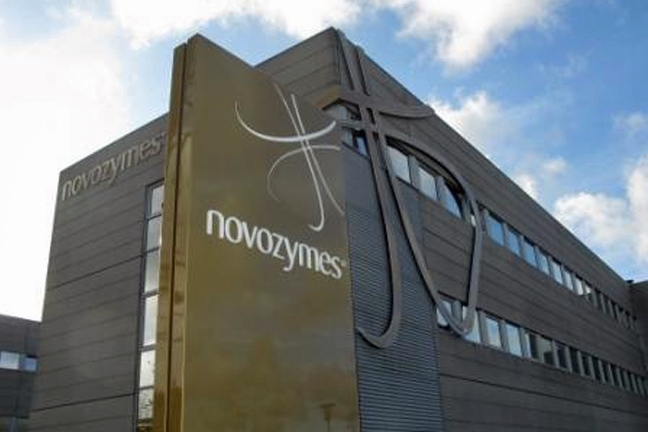
Novozymes announced a deal to supply enzyme technology to a new biorefinery that will be built by St1 Biofuels in Kajaani, Finland. The facility will be co-located at a sawmill site, and will be the first facility in the world to use sawdust (sawdust or wood dust is a by-product of the forestry industry and is composed of fine particles of wood) from softwood as feedstock to produce cellulosic ethanol at commercial scale. The process uses steam-explosion to open up the cellulosic structures of the sawdust, followed by enzymatic hydrolysis to extract the sugars for ethanol fermentation.

 Finland is the cradle of the bioeconomy. And maybe someone could someday propose to change the name from Finland to Bio-land. The latest news is that buses in the Helsinki region and most of machinery and trucks used by the City of Helsinki are switching to waste and residue-based biofuels. Helsinki Region Transport HSL, the City of Helsinki and the producers of renewable fuels involved in the project are all pioneers in carbon-neutral transport. The project is internationally significant.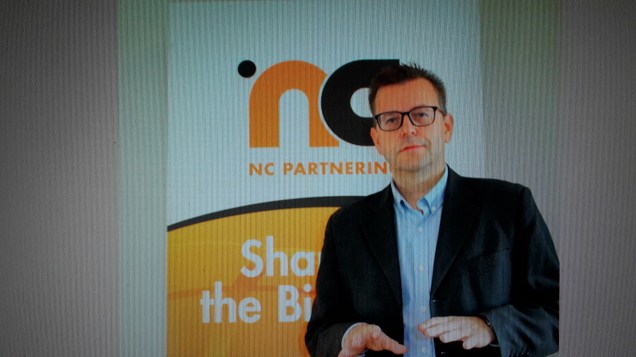


 IL BIOECONOMISTA