Brussels center of gravity of the world bioeconomy. EFIB 2013 returns to Europe’s capital

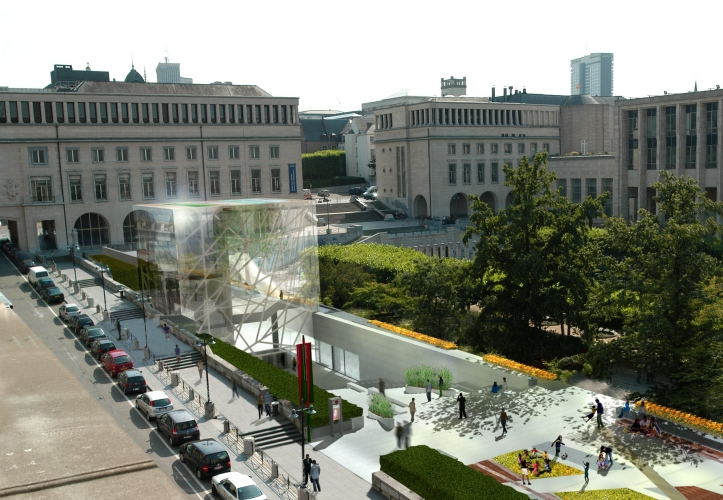
Square Cube in Brussels

EFIB returns to Brussels. From 30th September to 2nd October the European Forum for Industrial Biotechnology and the Biobased Economy (EFIB)  returns to Europe’s capital, where it was first launched 5 years ago. Since then, the event has grown tenfold in size but remains true to its goal of providing the premier meeting place for business and policy throughout the biobased value chain.

Continue reading

Naples calls for action the bioeconomy in the Euro-Mediterranean Area

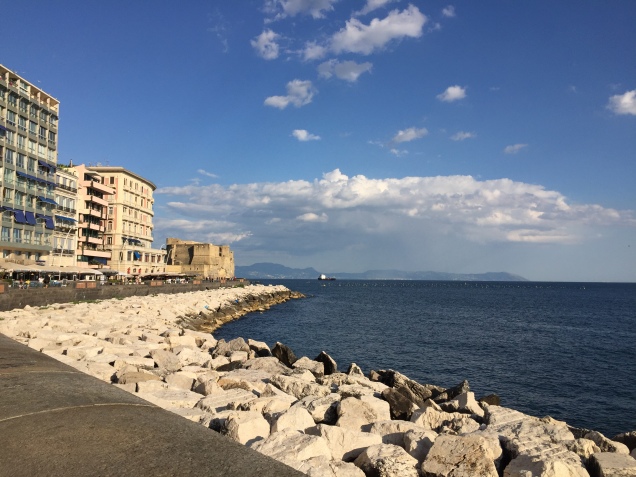
Naples, Southern Italy. In that part of the country that governments, since the Unification of Italy, have consciously and culpably left behind. Naples, a city that is the mirror of the Italic contradictions and of a South which is struggling to emerge: Naples the Rich, Naples the Poor, Naples the Noble, Naples the Plebeian, Naples and its many colors, Naples in black like the pitch which is brought by the boats of its sea.

Continue reading

Heinrich Hiesinger, ThyssenKrupp Ceo: “Industrial Biotechnology is part of our growth strategy”

Heinrich Hiesinger, ThyssenKrupp Ceo, in Leuna

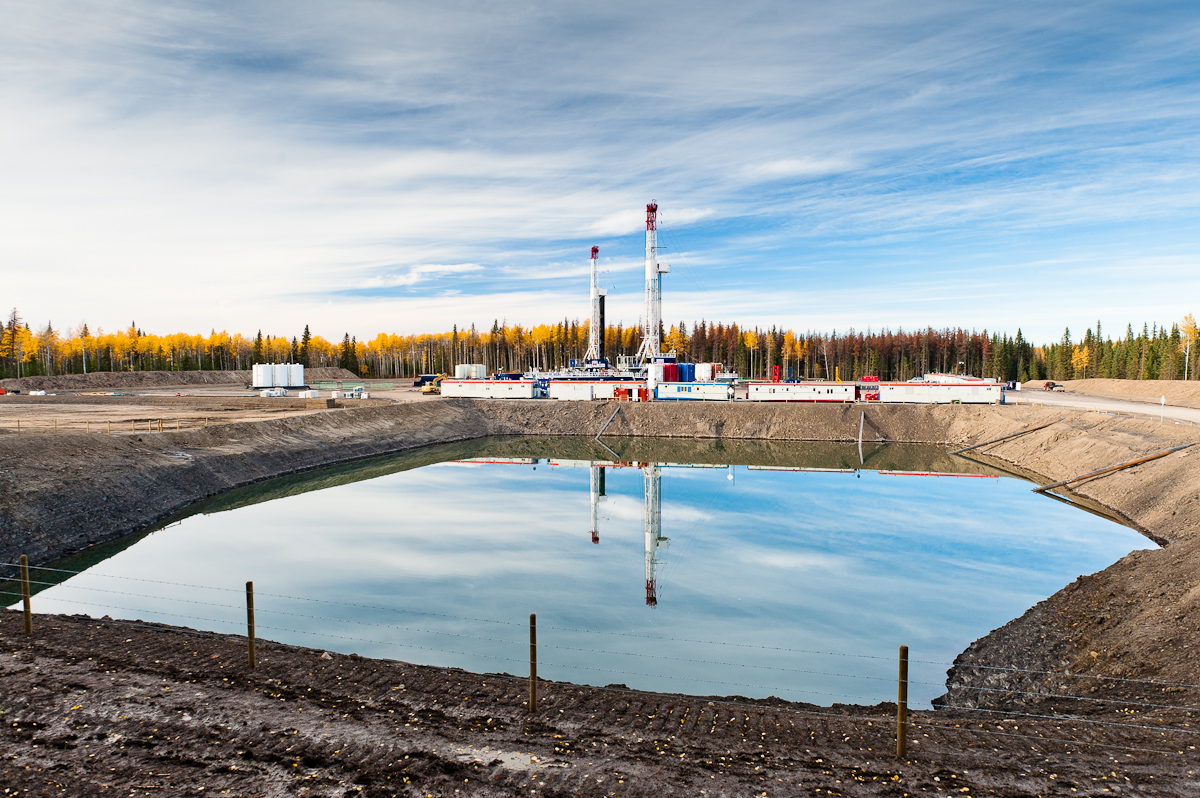
Europe’s first multi-purpose fermentation plant for the continuous production of bio-based chemicals has been recently inaugurated in Leuna, Saxony-Anhalt (Germany). Built at a cost of around 20 million euros, the facility will enable the German multinational conglomerate corporation ThyssenKrupp, one of the world’s largest steel producers (more than 43 billion euros in revenue), to further expand its research and development activities in the area of biochemicals based on renewable raw materials.

Continue reading

Interview with Simão Soares, Ceo of SilicoLife. The bioeconomy is the key to overcome the economic crisis in Portugal

parliament in lisbonIn Portugal, the unemployment rate has reached a record level of 17.7 percent, the highest in the European Union after Greece (26.4%) and Spain (26.3%), compared to an EU average of 10.9%. 952,000 people are unemployed, out of a total population of 10,5 million inhabitants.

For 2013, the center-right government led by Pedro Passos Coelho provides additional anti-crisis measures to comply with the financial assistance program of the Troika (EU, ECB, IMF), whose inspectors have already been twice in Lisbon to control the progress of the accounts. Among the measures there is the reduction of approximately 5 percent of public employees (30,000 of 700,000).

The bioeconomy could also be for Portugal an important way out of the crisis. We speak with Simão Soares, Ceo of the young company SilicoLife, one of several companies involved in the fields of bioeconomy created in Portugal in recent years, specialized in bioinformatics.

Interview by Mario Bonaccorso

Continue reading

The Bioeconomy Leadership Award to DuPont

dupont-industrial-bioscience.jpgThe Symposium on Biotechnology for Fuels and Chemicals (SBFC) has awarded DuPont with its 2013 Bioeconomy Leadership Award. 2013 marks the first year of this award, aimed at honoring an organization for demonstrated and sustained leadership excellence in advancing the development of the biobased economy. DuPont was recognized for its pioneering work in two strategic areas: renewably sourced materials and fuels.

The annual SBFC conference brought together from 29 April to 2 May in Portland (Oregon, Usa) industrial, academic and government experts to discuss the latest progress and breakthroughs in the research, development and deployment of biobased fuels and materials.

Continue reading

EFIB 2013: Brussels world capital of the bioeconomy from 30 September to 2 October

square-brussels-cube-by-dayEuropaBio, The European Association for bio-industries, and Smithers Rapra unveil highly-anticipated agenda for the European Forum for Industrial Biotechnology (EFIB) from 1-2 October 2013 taking place in the heart of Brussels at SQUARE. Officially launched by Elio di Rupo, Prime Minister of Belgium, EFIB’s opening plenary brings together a host of keynote speakers including Rudolf Strohmeier, Deputy Director General R&I at the European Commission; Maria da Graça Carvalho, Rapporteur on Horizon 2020 in the European Parliament and CEOs of Ecover and Galactic. Followed by exciting partnership perspectives from the Plant PET Technology Collaborative and a session lead by Ian Hudson, President of DuPont EMEA, examining the triggers for big business to make the shift towards the biobased economy. All speakers set the scene for another outstanding year, and transform the event from conference to congress.

Continue reading

PoliKompleks invests 30 million euros to construct a bioplastics plant in Russia

moscowPoliKompleks, a Russian industrial biotechnology company, plans to invest around 1,2 billion rubles, 30 million euros, to construct a bioplastics production complex in Russia’s far western enclave of Kaliningrad. To say it is Nikolai Tsukanov, governor of the Kaliningrad Region.

PoliKompleks has reached agreement to establish plants for products based on lactic acid and polylactides (PLA) for the manufacture of some 50,000 tpa of biocomposites. The complex will also have a biodegradable de-icing reagents plant with a capacity of around 12,000 tpa. The Russian company expected to reach an annual turnover of 1,4 billion rubles, approximately 34 million euros.

Continue reading

Martin Schnee, Breslin AG: “Investments into alternative sources might be re-thought”

shale gas in usa“Shale gas might be a game changer by bringing gas, coal and finally oil prices down. And cheap oil will no drive industries to make high investments into alternative raw materials”. To say it is Martin Schnee, partner of Breslin, one of the most important transaction strategic advisory companies in Europe in the field of bioeconomy, with offices in Zurich, London, Frankfurt am Main and Munich. In the context of the development of the bioeconomy, Schnee warns against the increasingly important role played by shale gas, a natural gas that is found trapped within shale formations. Shale gas has become an increasingly important source of natural gas in the United States since the start of this century, and interest has spread to potential gas shales in the rest of the world. In 2000 shale gas provided only 1% of U.S. natural gas production; by 2010 it was over 20% and the U.S. government’s Energy Information Administration predicts that by 2035, 46% of the United States’ natural gas supply will come from shale gas. Schnee speaks with us about bioeconomy from an investment point of view, considering that “alternative energy and biomaterials from alternative sources might make a large contribution to Europe’s future growth”.

Interview by Mario Bonaccorso

Continue reading

In EU Synpol project aims at converting waste into bioplastics

only plasticsWaste can be base of new bioplastics. There are many waste resources hidden in our communities. Municipal solid waste (MSW), agricultural residues and sewage sludge from water treatment plants contains lots of reusable carbon fractions. To recover them means recovering a valuable product as well as preserving the environment. The European Commission is working in order to develop the Synpol (“Biopolymers from syngas fermentation”) project, that is funded under the Food, agriculture and fisheries, and biotechnology Theme of the EU’s Seventh Framework Programme (FP7) to the tune of € 7.5 million.

Continue reading

UK’s Biome Bioplastics to investigate new source of organic chemicals for bioplastic manufacture

wood in ukThe UK’s innovation agency, the Technology Strategy Board, has awarded a grant to a consortium led by Biome Technologies, to investigate a bio-based alternative for the oil derived organic chemicals used in the manufacturer of bioplastics.

The research will be undertaken by the group’s bioplastic division Biome Bioplastics, one of the UK’s leading developers of natural plastics, in conjunction with the University of Warwick’s Centre for Biotechnology and Biorefining.

The £150,000 grant (approximately 215,000 €) is part of the Technology Strategy Board’s ‘Sustainable high value chemical manufacture through industrial biotechnology’ technical feasability competition, which funds projects that apply sustainable bio-based feedstocks and biocatalytic processes in the production of chemicals.

Continue reading