A U.S. warship took its first delivery of Italian-made biofuel on Thursday as part of the Navy’s program to use more alternative energy. The USS Mason was refueled alongside an Italian vessel, the Andrea Doria, in the seas off of Italy’s southern coast with a mix produced by Italy’s Eni that has 5.5 percent palm oil biofuel blended into marine fuel.
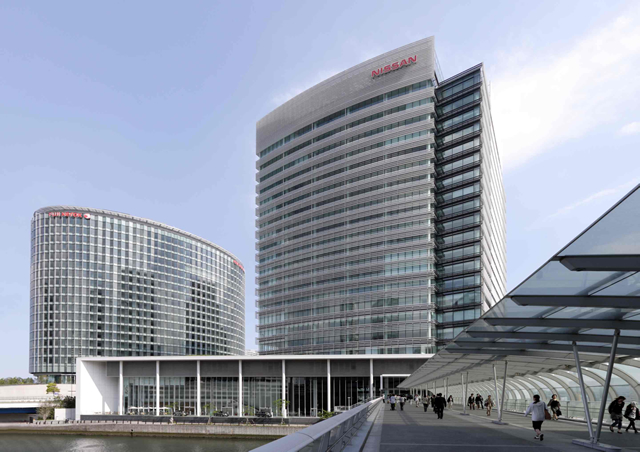
Nissan Motor announced that it is currently researching and developing a Solid Oxide Fuel-Cell (SOFC)-powered system that runs on bio-ethanol electric power. The new system -a world first for automotive use – features an e-Bio Fuel-Cell with an SOFC power generator. SOFC is a fuel cell utilizing the reaction of multiple fuels, including ethanol and natural gas, with oxygen to produce electricity with high efficiency.
Amyris, the U.S. industrial bioscience company, announced that, on May 29, Cathay Pacific commenced a two-year program of flights from Toulouse to Hong Kong using Amyris renewable jet fuel. The initial 12-hour flight was the longest flight using a renewable jet fuel to date, further underpinning the drop-in characteristics of Amyris Biojet fuels.
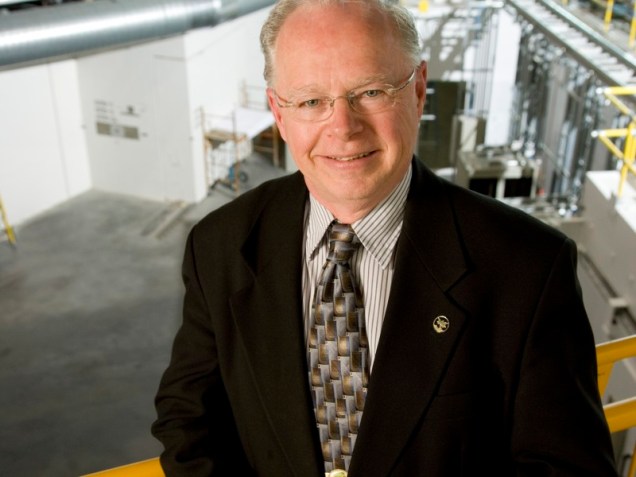
“The government is working on a national bioeconomy strategy, which started with our new federal government attending the COPS meeting in Paris. Discussions and consultations are now taking place with the provinces and the Canadian public with the intent to have a federal strategy in draft form later this year.” To say it – in this long exclusive interview with Il Bioeconomista – is Murray McLaughlin, executive director of Bioindustrial Innovation Canada, who was recognized in the top 100 global leaders in the Advanced Bioeconomy at Biofuels Digest Conference in Washington, 2016. With him we talk about bioeconomy in Canada, climate change, biomass, Green public procurement, carbon tax and other policies. Murray McLaughlin has held various positions in the private, government and non-profit sectors such as director of Business Development for the Canadian Light Source, president of Ontario Agri-Food Technologies, deputy minister of Saskatchewan Agriculture and Food, and president of Ag-West Biotech Inc. He co-chairs the Industrial Bioproducts Value Chain Roundtable which is a partnership between Industry and AAFC for the bioeconomy. He is a graduate of Nova Scotia Agricultural College, McGill (B. Sc. Agr.) and Cornell (MSC and PhD), and has an Honorary Doctorate Degree from Dalhousie University.
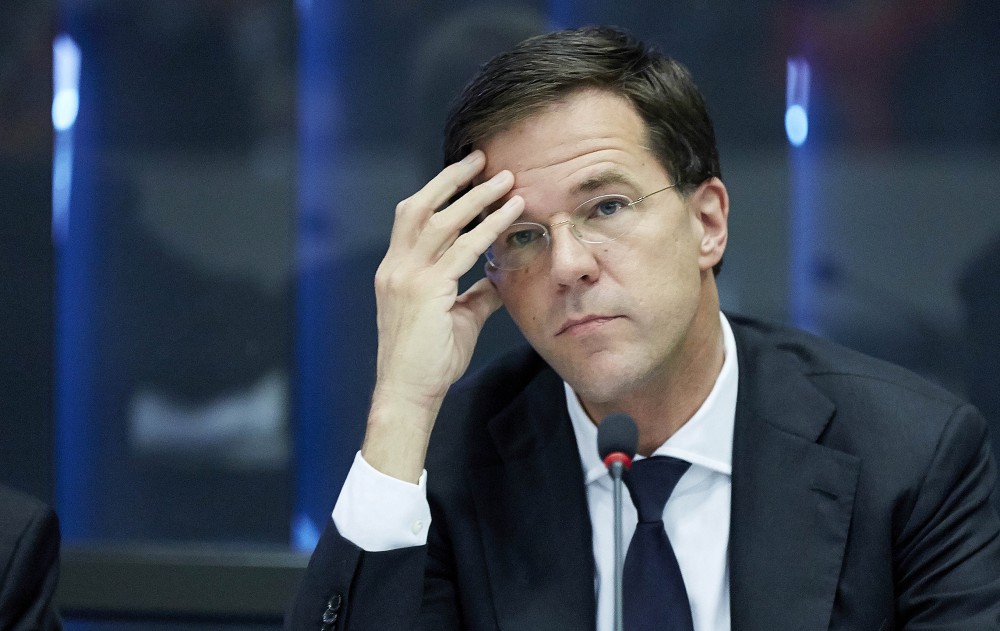
The Dutch government is planning to join the Mission Innovation coalition. The global initiative aims to accelerate public and private innovation in order to make clean energy affordable for consumers, as well as creating “green” jobs and commercial opportunities. Mission Innovation was announced by former Microsoft leader Bill Gates at the United Nations Climate Change Conference (COP21) in Paris last year. At the launch, 20 countries – Australia, Brazil, Canada, Chile, China, Denmark, EU, France, Germany, India, Indonesia, Italy, Japan, Mexico, Norway, Republic of Korea, Saudi Arabia, Sweden, UAE, UK and US – committed to doubling their respective clean energy R&D by 2020.
Waiting for the French national strategy, the bioeconomy moves forward in France. Global Bioenergies, IBN-One, Cristal Union and L’Oréal announced yesterday the launch of a 44-month industrial and commercial project focused on the first bio-isobutene plant.
Malaysian Biotechnology Corp (BiotechCorp) has been rebranded to Malaysian Bioeconomy Development Corp (Bioeconomy Corp). Along with the name change, the corporation transformed their corporate identity with a new logo and expanded its roles as well as functions, reflecting the organisation’s position as the leading economic development agency to spearhead the bio-based industry in Malaysia.
Forward-thinking businesses are partnering with the World Business Council for Sustainable Development (WBCSD), Roundtable for Sustainable Biomaterials (RSB) and Sustainable Energy for All (SE4ALL) through a new global initiative called below50, to promote the best-of-breed of sustainable fuels that can achieve significant carbon reductions, and scale up their development and use.
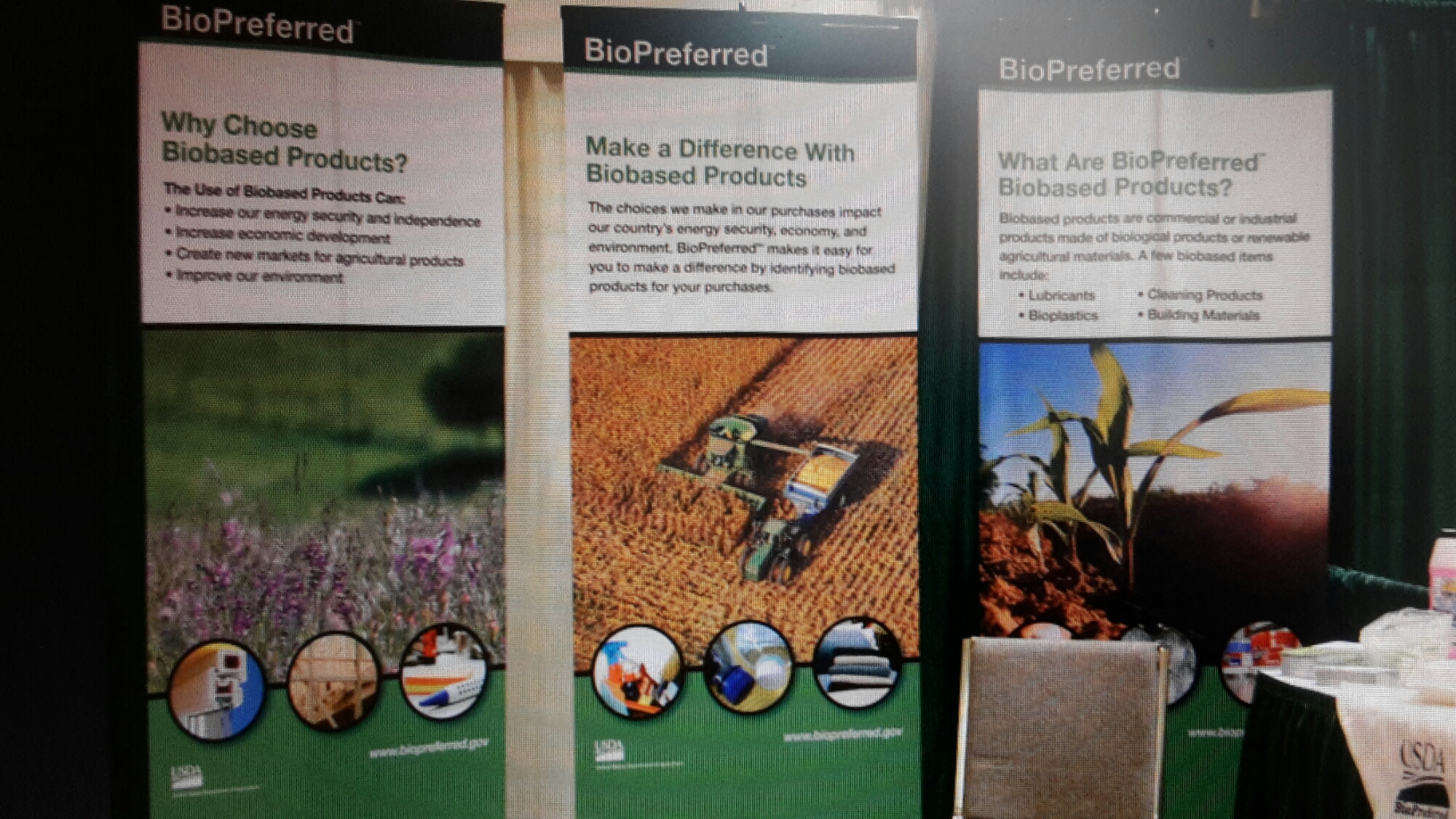
Ring binders which are at least 69% bio-based and are USDA Certified Bio-Based Products. To make them is Samsill, one of the world’s largest independently owned manufacturers of solutions which protect, organize, present and transport information and digital accessories. The U.S. company is converting its line of Earth’s Choice ring binders to bio-based materials. The company combined 100% post-consumer recycled chipboard – with plastic containing 25% of Green Polyethylene, a bioplastic made from sugarcane ethanol, a 100% renewable source which promotes the reduction of greenhouse gasses, provided by the Brazilian biochemical giant Braskem, the leading producer of thermoplastic resins in the Americas and the world leader in the production of biopolymers.
Bioeconomy is economic growth and new green jobs. A new evidence comes from Finland. The Research Institute of the Finnish Economy (ETLA) studied the impact of Metsä Group’s bioproduct mill being constructed in Äänekoski in terms of revenue, value added and employment. The impact of the largest investment to date in the history of Finnish forest industry has significant repercussions in the economy during both the construction and the operation of the mill.
According to ETLA’s calculations, the 1.2 billion euro investment in the bioproduct mill will increase the revenue of companies operating in Finland by around 2.4 billion euro at the construction stage, and it will generate value added that will be directly reflected in economic growth in the amount of nearly 1 billion euro during 2015–2018. The annual employment effects arising from construction during 2016 and 2017 total nearly 4,000 person-years when the effects on the value chain and consumption are included in the calculation. This equals 0.16 per cent of the total employed workforce in Finland.






 IL BIOECONOMISTA