NatureWorks, a leading manufacturer of polylactic acid (PLA) biopolymers made from renewable resources headquartered in Minnesota (USA), made significant progress on the construction of their new fully integrated Ingeo PLA biopolymer manufacturing facility in Nakhon Sawan Province, Thailand.
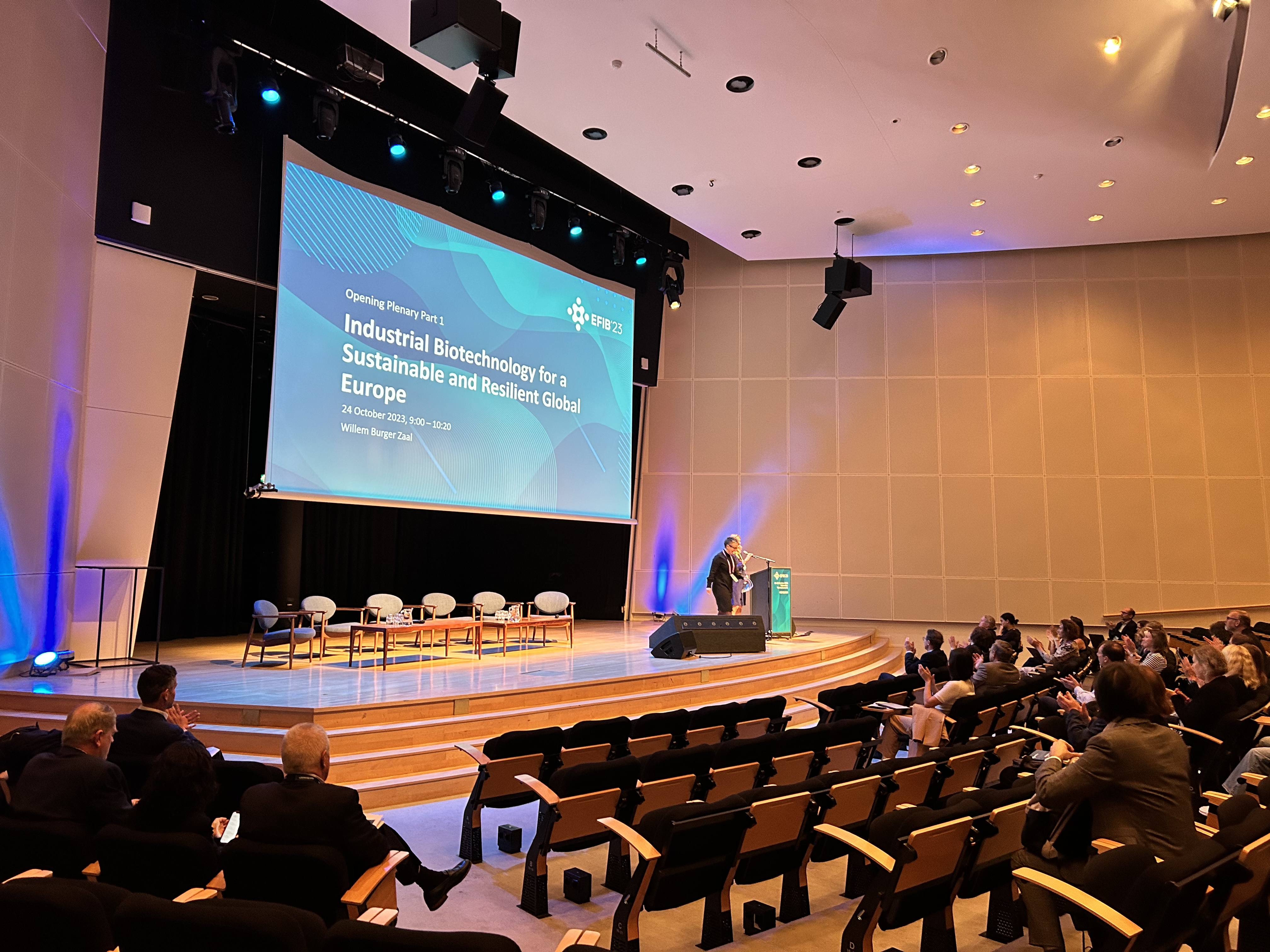
Rotterdam was the European capital of industrial biotechnology from Monday to Wednesday. More than 300 professionals from across the value chain, including researchers, policymakers, regulators, SME representatives, and global organisations met and discussed advancements in industrial biotechnology and its contribution towards positioning Europe as a global leader in addressing societal and sustainability challenges.
The two-day programme included inspiring plenaries, a start-up pitching hour, and thematic conference sessions ranging from food to sustainable finance and biomaterials – as well as new frontiers like biomanufacturing.
EFIB was a unique opportunity to boost networks, meet Europe’s SMEs, show innovations and discuss with businesses and decision-makers on the future of the European circular bioeconomy. The Forum ended with a statement, the so-called Rotterdam statement that will be published soon by EuropaBio.
Next year EFIB will take place in Marseille, France, from 4 to 5 November
Jukka Kantola, in the middle, at IFIB 2023 in Florence
Jukka Kantola talks to Il Bioeconomista. The CEO of the World Bioeconomy Forum was invited to a historic bioeconomy panel at UNFCC COP27 in Sharm el-Sheikh, Egypt, to present findings of the bioeconomy society to the climate mitigation discussion.
For this year “The World BioEconomy Forum Goes to the USA – Live from Washington D.C. “The United States is making significant strides in the global bioeconomy. USA is not alone in this space as there is a growing interest in the bioeconomy – like in China, India or Brazil. All in all it looks like that number of bioeconomy strategies is growing, bioeconomy is providing solutions for the mankind and its economic value is also multiplying. All these requires more collaboration over various sectors and regions.
World BioEconomy Forum has responded to this evolving environment – Kantola claims- by launching a digital survey last February and open until end of October. Results of the survey will be unfolded on December 12 in Washington D.C. at the conference whose title is “Creating a Global Hub for the Bioeconomy”.
“We need to grow the bio-based sector. Especially, if you look at the challenges the world is facing. That means, not just research and innovation, but actually scaling-up the production of our new bio-based products and processes in Europe. For that, we need more investment in new biorefineries in Europe.” Dirk Carrez, CEO of BIC (Biobased Industries Consortium), a non-profit organisation set up in Brussels in 2013 to represent the private sector in a Public-Private Partnership (PPP) with the European Commission, talks to Il Bioeconomista about present and future of the European bioeconomy.
LanzaTech Global, the carbon recycling company transforming waste carbon into sustainable raw materials, has collaborated with chemical giant Dow to introduce a new biodegradable surfactant to the home care market. Dow’s surfactant, EcoSense™ 2470, is made using LanzaTech’s CarbonSmart™ technology and ensures immediate market entry, while maintaining high-performance standards and advancing sustainability with recycled carbon materials. Surfactants are a critical ingredient for creating the foam and cleaning action of many household cleaning and laundry products.
Origin Materials, a leading carbon negative materials company with a mission to enable the world’s transition to sustainable materials, started the commercial-scale production at Origin 1, located in Sarnia, Ontario, Canada, the first commercial plant of its kind.
Berlaymont, European Commission’s Headquarter in Brussels
For the first time, BIC has published a Trend Report on how Europe can unleash the full potential of the bioeconomy, enabling it to better contribute to the EU’s green transition. In 2012, the world admired Europe as a global frontrunner for launching its EU bioeconomy strategy. Today, the world and Europe look to other regions that are bolder in making the bioeconomy a strategic industry sector. In particular, the US with its recently-launched initiatives, but also China, India and the G20.
Virginia Puzzolo, Head of Program at CBE JU at IFIB 2023 in Florence
The CBE JU Stakeholder Forum 2023 will take place on 6-7 December in the Egg venue in Brussels, to discuss on the future of the European bio-based sector, visit the exhibition of innovative bio-based solutions and network with 600 CBE JU stakeholders. ’What next for the European bio-based sector?’ will be the main theme of the forum.
Last Friday European Commission gave the green light to Novamont’s purchase by Versalis. In April the Eni’s chemical company and a shareholder of Novamont (36%) and Mater-Bi – a company controlled by Investitori Associati II and NB Renaissance – signed an agreement for Versalis to acquire the remaining 64% of Novamont’s shares currently held by Mater-Bi. Novamont is a leading international company in the field of chemistry from renewable sources.
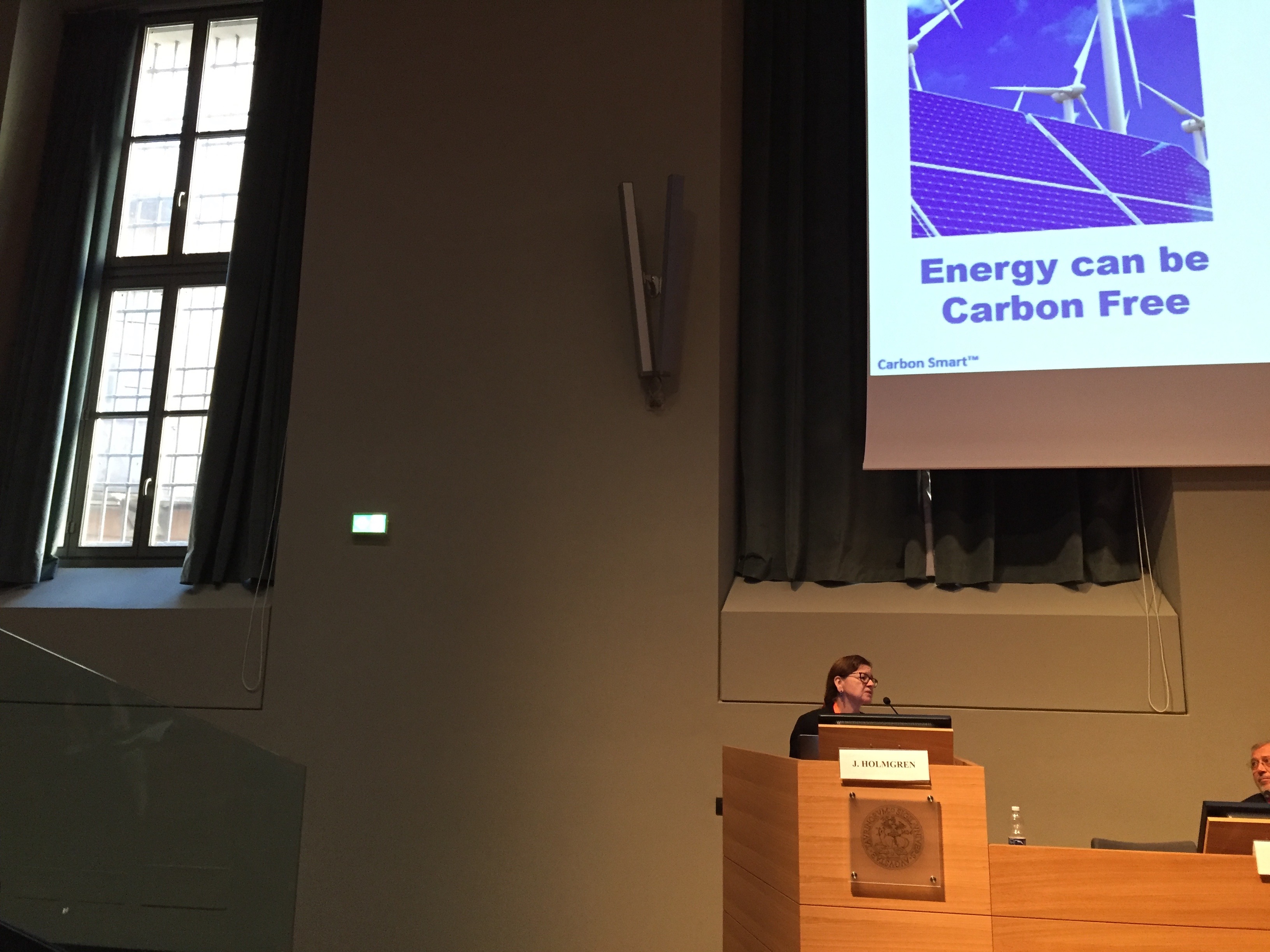
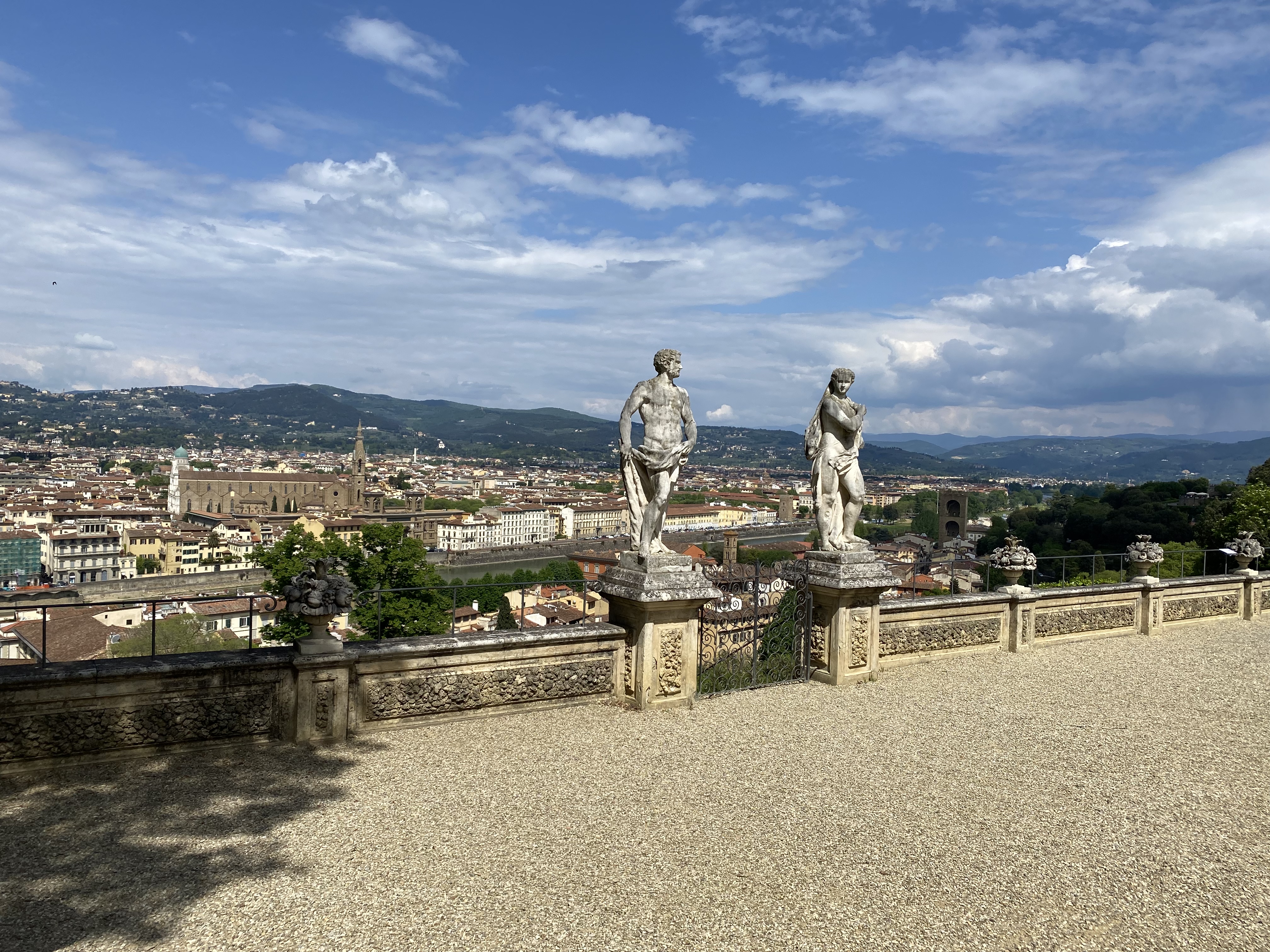
Florence, the cradle of the Renaissance, is today and tomorrow the cradle of the Industrial Renaissance led by the circular bioeconomy. The Italian fascinating city is the world capital of the bioeconomy. The International Forum on Industrial Biotechnology and Bioeconomy (IFIB) is taking place in Tuscany this year at the Innovation Center of Fondazione CR Firenze.





 IL BIOECONOMISTA