Business
BASF and Renmatix together for the production of industrial sugars based on lignocellulosic biomass
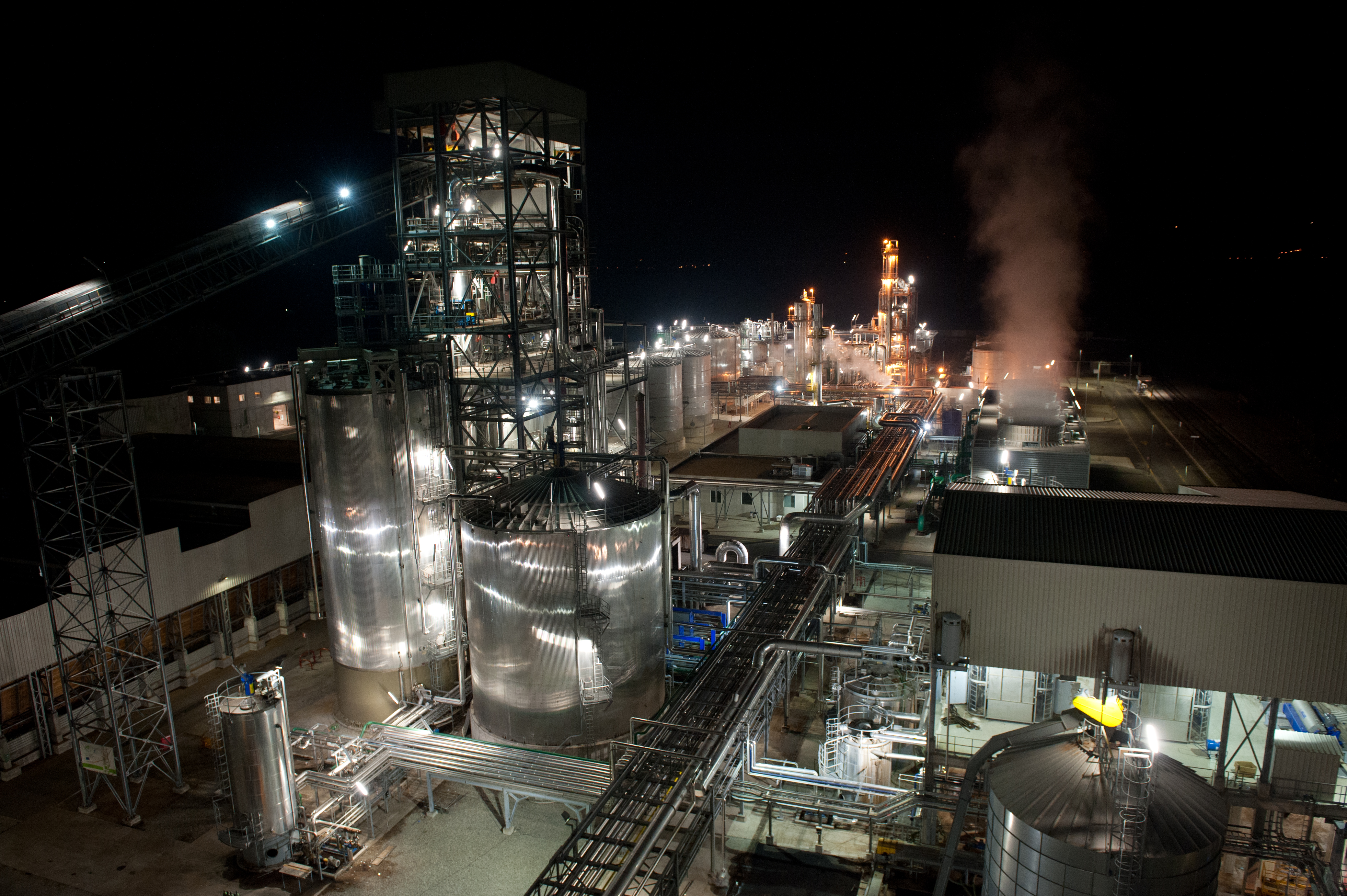
BASF and Renmatix will jointly scale up the Renmatix Plantrose process for the production of industrial sugars based on lignocellulosic biomass. The two companies signed a non-exclusive joint development agreement. The parties have agreed to key financial terms for future commercial licenses, which BASF can exercise at its discretion. The collaboration follows BASF’s $30 million investment in Renmatix in January 2012.
VTT’s new report: Biorefinery business is the key for the sustainable economic growth of South Australia
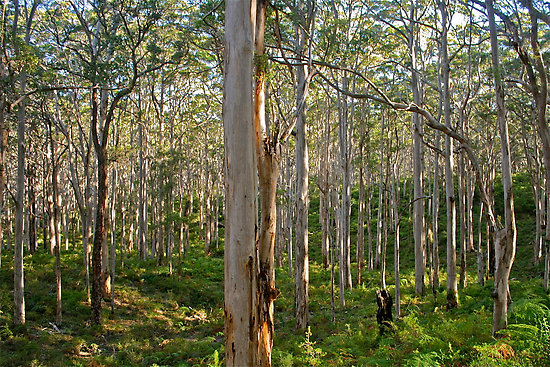
VTT Technical Research Centre of Finland, the biggest multitechnological applied research organisation in Northern Europe, at the request of the South Australian State Government, studied the condition of the forest sector industries in the Green Triangle region and examined the added value that may be achievable through high technology production.
Braskem and Genomatica develop a new technology for the production of bio-butadiene

Braskem, the largest petrochemical producer in the Americas and the world’s leading biopolymer producer, and Genomatica, a U.S. biotechnology company, have signed an agreement for the joint development of a new technology for the production of butadiene from renewable feedstocks. Through this partnership, Braskem reaffirms its commitment to invest in the research of producing chemicals from renewable feedstocks, effectively strengthening its leadership role in this segment.
M&G Chemicals postpones Hong Kong share listing

Italian plastics group M&G Chemicals postponed a planned share listing on the Hong Kong bourse on Monday due to volatile market conditions, but said it was still committed to growing its business in China. The world’s third largest producer of PET resin used to make soft drink bottles and packaging had aimed to raise about $600 million through the initial public offering (IPO). M&G Chemicals, which is part of Italy’s Mossi Ghisolfi Group, had planned to use 50 percent of the proceeds from the IPO to fund the construction of a plant in China’s Anhui province.
Global demand for bioplastics will rise 19% per year to 950,000 metric tons in 2017

According to a new study on “World Bioplastics” published by The Freedonia Group, global demand for biobased and biodegradable plastics will rise 19 percent per year to 950,000 metric tons in 2017. The bioplastics industry, while still in the emerging growth phase, has established itself as a fixture in a number of commercial markets and applications. Robust growth in demand is expected in virtually all geographic markets, stimulated by consumer preferences for sustainable materials, the increased adoption of bioplastics by plastic processors and compounders, and new product development that expands the range of uses for bioplastics.
Exclusive interview with Stan Blade, Alberta Innovates: Canada has a tremendous biomass base

“Canada has a tremendous biomass base. In Alberta we have 22m+ ha of agricultural land and 35+m of forest land. We see groups coming from around the world to access our biomass”. To say it is Stan Blade, Chief Executive Officer at Alberta Innovates – Bio Solutions, a research agency funded by the Government of Alberta that works with partners to identify, coordinate and fund research projects. It helps solve industry challenges with solutions that deliver economic, environmental and social benefits. In this interview with Blade we talk about the bioeconomy in Canada, with a special focus on Alberta, which is investing strongly in converting the province’s biomass resources beyond traditional commodities into higher value products. These new products increase economic returns from Alberta’s natural resources. Biomass includes agriculture and forestry fibre, by-products and other feedstocks such as livestock manure and municipal solid waste.
Interview by Mario Bonaccorso
New report: Advanced biofuels could grow to at least 20% of the biofuels market in Europe in 2030

A new report from sustainable energy consultancy E4tech, commissioned by Auto-Fuel Coalition, a group of international vehicle and fuel companies (Daimler, Honda, Volkswagen, Neste Oil, OMV and Shell), has outlined the first harmonised Auto-Fuel Biofuels Roadmap for the EU to 2030. With future energy scenarios showing liquid fuels remaining important to the long-term energy mix, biofuels and vehicle efficiency will be essential if the European transport sector is to cut greenhouse gas emissions and meet its decarbonisation targets.
Nestlé encourages the responsible development of bioplastics

Nestlé, the Swiss multinational food and beverage company, headquartered in Vevey, has announced that it will work in partnership with the World Wildlife Fund (WWF) and seven consumer firms to encourage the responsible development of bioplastics, derived from plant materials. Along with Nestlé, the Bioplastics Feedstock Alliance (BFA) will include key fast-moving consumer goods firms: The Coca-Cola Company, Danone, Ford, H.J. Heinz Company, Nike, P&G, and Unilever.
Exclusive interview with Ignaas Caryn, KLM: The development of a bioeconomy holds great social and economic potential

“I believe that for Europe the development of a bioeconomy holds great social and economic potential. Therefore I hope that Europe will take the right decisions when it comes to defining sustainable feedstock and dealing with ILUC (Indirect land use change impacts of biofuels) issues, not limiting the development of a great sustainable new industry for Europe.” To say it is Ignaas Caryn, director KLM Corporate Venturing and Biofuels. In this interview with the manager of the Dutch Airline Group we speak about bioeconomy and the future of the aviation industry.
“Sustainable aviation – says Caryn – contributing to a bioeconomy is indeed one of the key drivers behind our innovation strategy, and our corporate venturing activities form a key part in executing that strategy”.
Interview by Mario Bonaccorso
 IL BIOECONOMISTA