
“By taking the time to scale up efficiently and deliberately, our position in the bioeconomy is growing. Circa remains focused on creating non-toxic, high-performance chemicals from cellulose, using our FuracellTM technology. We are targeting a market of over 900,000 tonnes per annum, growing at 4%. While we do not want to compete in the inevitable price war currently unfolding, as companies vie to be ‘last man standing’ to extract some cash out of legacy plants producing these toxic products, we do see plenty of opportunity to sensibly scale into the market over the next 5-10 years”. To say this – in this long, exclusive interview with Il Bioeconomista – is Tony Duncan, CEO of Circa Group, an Australian innovative company which is converting biomass into advanced biochemical materials.
Interview by Mario Bonaccorso

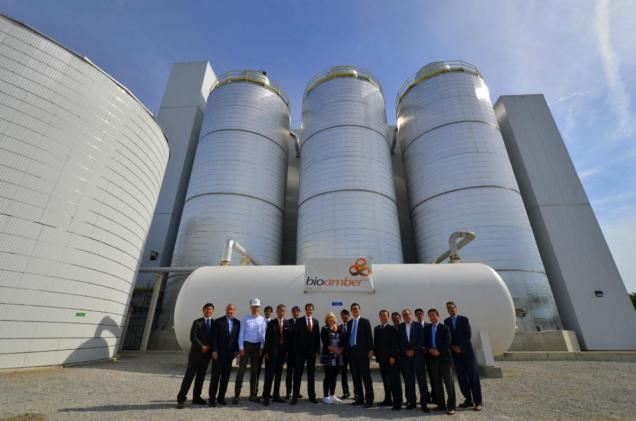 BioAmber has a new Chief Executive Officer. The Board of Directors of the renewable materials company based in Canada announced yesterday the appointment of Richard P. Eno as its new CEO and new member of the Board, effective September 18th, 2017. The selection of Eno caps a search process facilitated by Spencer Stuart, a global executive search firm which specializes in placing senior management personnel.


 Amyris, the U.S. industrial bioscience company led by John Melo, closed the second and final tranche of its previously announced financing. The second tranche of $50 million in a private placement was led by a $25 million investment from Koninklijke DSM N.V. (Royal DSM) with the remaining $25 million contributed by Vivo Capital.
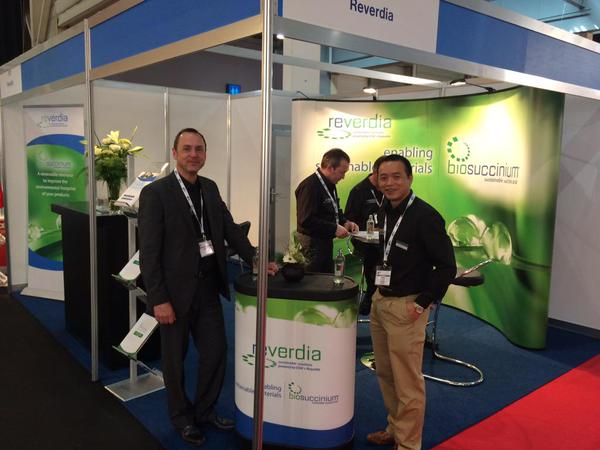 The bioeconomy is today, in our everyday life: Reverdia’s Biosuccinium® has been used in the production of biobased materials for VAUDE’s new Skarvan range. As part of the completely redesigned Summer 2018 Shoe Collection, they offer consumers a sustainable choice of trekking shoe with high-end design.
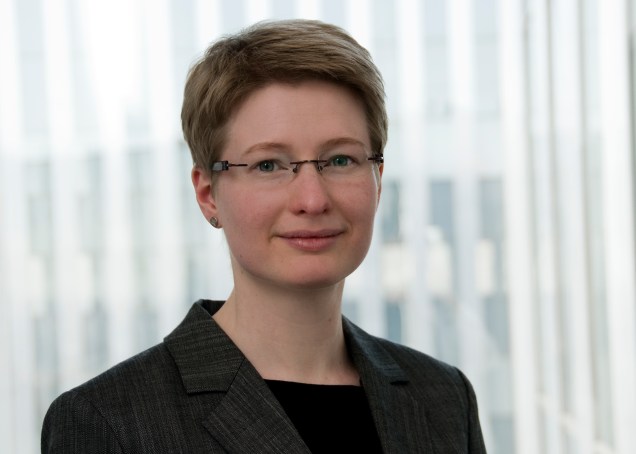 “Clusters can set an environment for investment and implementation. They can bring the right people together and help to identify both hurdles and how to overcome them, for example by scouting technologies or helping to find access to funding”. To say it – in this long and exclusive interview with Il Bioeconomista – is Tatjana Schwabe, scientific advisor at CLIB2021, the German cluster of industrial biotechnology based in Düsseldorf. With Schwabe with talk about the role of clusters in supporting the European bioeconomy.
 IL BIOECONOMISTA