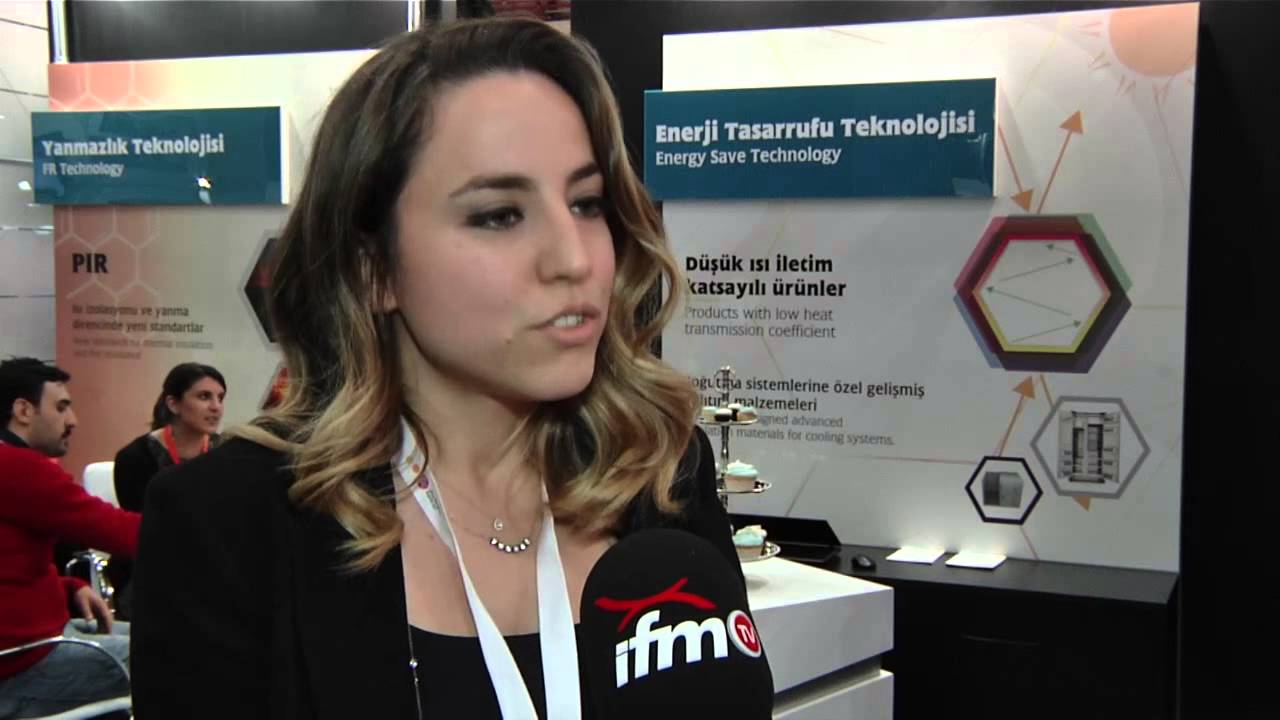
The Flokser Group, a global leader in leather and suede fabrics, has successfully developed an innovative artificial leather fabric using bio-based materials supplied by DuPont Tate & Lyle Bio Products and BioAmber.
The Flokser Group, a global leader in leather and suede fabrics, has successfully developed an innovative artificial leather fabric using bio-based materials supplied by DuPont Tate & Lyle Bio Products and BioAmber.
The Bio-based Industries Joint Undertaking, a public-private partnership between the EU and the Bio-based Industries Consortium (BIC), has approved the funding of 10 projects totalling €120 million to boost the EU capacity to stimulate growth and jobs via a more circular, low carbon and sustainable bioeconomy.
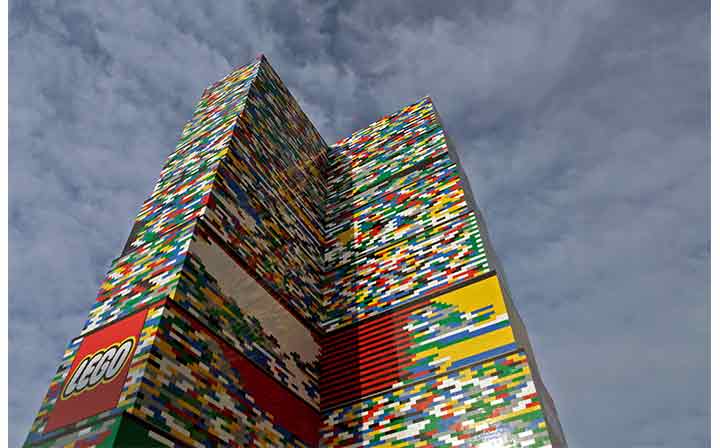
The LEGO Group announced a significant investment of DKK 1 billion (approximately € 135 million) dedicated to research, development and implementation of new, sustainable, raw materials to manufacture LEGO® elements as well as packaging materials. The LEGO Group believes a new sustainable material must have an ever-lighter footprint than the material it replaces across key environmental and social impact areas such as fossil resource use, human rights and climate change.

Celtic Renewables won Europabio’s Most Innovative Biotech SME Award for Industrial Biotech.

France will have its own strategy on bioeconomy. This was announced yesterday by Christophe Luguel, international relations manager of IAR-Pole (French Industry and Agro-resource cluster), during a conference on bioeconomy held in Frankfurt am Main, in the frame of Biobased world at Achema 2015.

The productivity and innovation of U.S. agriculture is driving a transformation to bio-based products across the economy that is supporting millions of jobs and significantly displacing fossil fuels, according to a study from the U.S. Department of Agriculture on Wednesday.
The European Investment Bank (EIB) and Metsäliitto Cooperative signed last Friday a EUR 75 million loan agreement for the construction of a new large-scale bio-product mill in Finland (Äänekoski). The financing will be submitted for backing by the EU budget guarantee under the European Fund for Strategic Investments (EFSI).
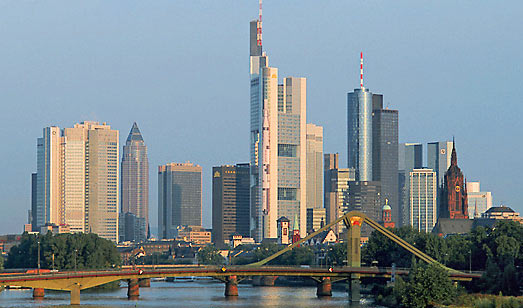
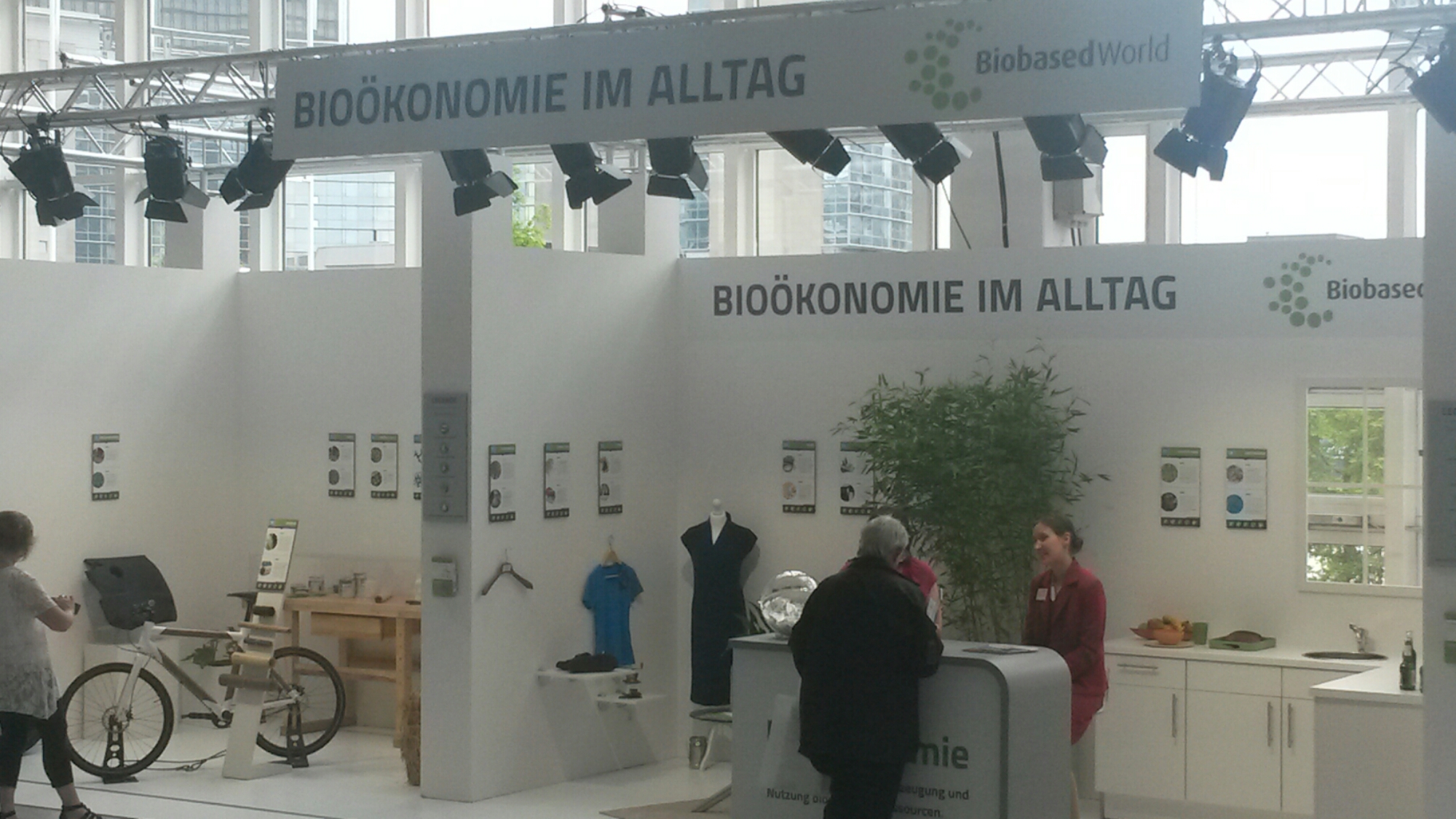
The bioeconomy speaks German. Today in Frankfurt, Germany, Achema opened the doors. BiobasedWorld at Achema 2015 is the place where bioeconomy becomes visible and tangible. Just as bioeconomy is present everywhere in our daily life it can also be found in every exhibition group at Achema, therefore there is no dedicated space for BiobasedWorld.

Everything is ready in Brussels to host the European Forum for Industrial Biotechnology and Bioeconomy. Taking place on 27-29 October at SQUARE Brussels Meeting Centre, EFIB 2015 – organised by EuropaBio and Smithers Rapra – will take advantage of the opportunity to increase engagement between policy makers and a broad range of stakeholders connected with the existing biobased value chain, and reach a new network of end users from a range of industries.

Synthetic biology start-ups developing technologies to convert biomass and other non-petroleum feedstocks into chemicals and materials need, on average, 7.4 years to launch a product, according to a Lux Research analysis. Using this data to project the output from the current crop of young synbio companies suggests most are likely to launch first products between 2017 and 2022, with a peak occurring between 2019 and 2020.
 IL BIOECONOMISTA