A fungus and E. coli bacteria have joined forces to turn tough, waste plant material into isobutanol, a biofuel that matches gasoline’s properties better than ethanol. University of Michigan research team members said the principle also could be used to produce other valuable chemicals such as plastics.
Naples, Southern Italy. In that part of the country that governments, since the Unification of Italy, have consciously and culpably left behind. Naples, a city that is the mirror of the Italic contradictions and of a South which is struggling to emerge: Naples the Rich, Naples the Poor, Naples the Noble, Naples the Plebeian, Naples and its many colors, Naples in black like the pitch which is brought by the boats of its sea.
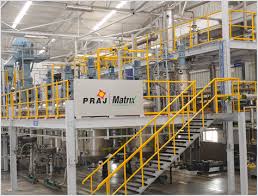
PRAJ-Matrix – The Innovation Center (a division of Praj Industries)
Praj Industries – the Indian global process solutions company for bioethanol, alcohol and brewery, water and wastewater – has emerged as the first Company in South Asia to set up an integrated 2nd Generation (2G) Cellulosic ethanol plant. Praj’s Executive Chairman, Pramod Chaudhari, did the groundbreaking at Shirala in Sangli District in Maharashtra (India) along with Chairman of Viraj Alcohols & Allied Industries Limited (VAAIL), Mansinghrao Naik.
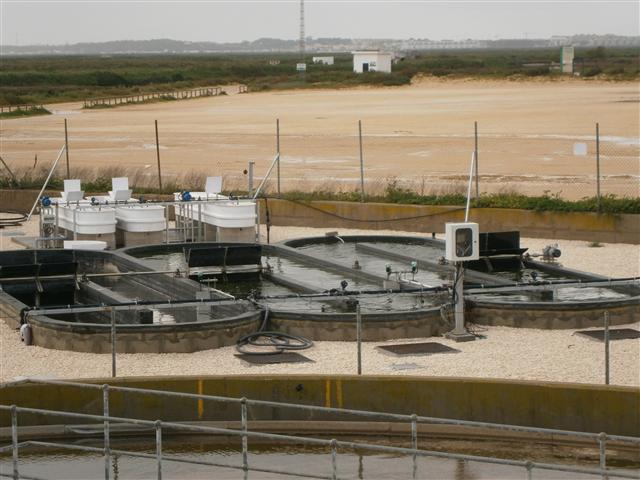
The raceways located at the Chiclana WWTP (march 2013)
A European Union-backed project to produce biofuels from algae moved a step forward last Thursday by producing its first crop of algae biomass at its site in Southern Spain. The “All-gas” project will cultivate fast-growing micro-algae by using the nutrients in wastewater and then by further processes generate biomethane which can be captured and used in transport fuel. Continue reading →
It’s a revolution in the world of plastics: plastic coming from food waste. To achieve it is an Italian company in the province of Bologna: Bio-On. The owners of the company, set-up in 2007, are Marco Astorri and Guy Cicognani, former entrepreneurs in the field of electronic components for ski passes. Where is the link? Seeing those little cards abandoned in the valley, never decomposing, Astorri wondered if they could melt, like snow in the sun.
The University of California-Berkeley, University of Minnesota, Northeastern University and 10 other colleges and universities that have signed the Green Chemistry Commitment, intended to increase the number of green chemists and scientists in the US and the business opportunities available to them.
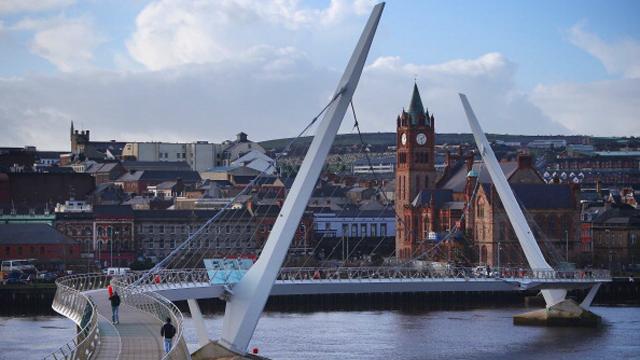
Foresight Group – a leading, independent alternative asset manager with current assets of over £650 million – and the UK Green Investment Bank – the bank created in 2012 to accelerate the UK’s transition to a green economy and to create an enduring Institution, operating independently of Government – have invested £20 million into the construction of the Evermore Renewable Energy (15.8MWe) wood fuelled combined heat and power (CHP) station to be built in Derry/Londonderry, in Northern Ireland. The Foresight managed fund, UK Waste Resources & Energy Fund (Ukwrei), in which the Green Investment Bank is the cornerstone investor, has made the investment, which is the first GIB funded project in Northern Ireland.
Robert Lewandowski, striker of Borussia Dortmund sponsored by Evonik
Another step in the bioeconomy for Evonik, the German company based in Essen, which is one of the world’s leading specialty chemicals companies, with sales of 13.6 billion euros and an operating result (adjusted EBITDA) of 2.6 billion in 2012. In early 2013, Evonik Industries began operating a pilot plant for ω-amino lauric acid (ALS) in Slovenska Lupca, Slovakia. The effort represents Evonik’s next step forward in the production of sustainable high-performance plastics.
One of the most crucial problems affecting the world today is the scarcity of potable water. In a bid to make clean water available at low cost, Ramakrishna Mallampati, a PhD candidate at the National University of Singapore (NUS), experimented with water treatment techniques using materials that are easily available, and came up with novel ways to purify water using the peels of apples and tomatoes. This is the first time that the peels of the two fruits have been used to remove different types of pollutants in water.
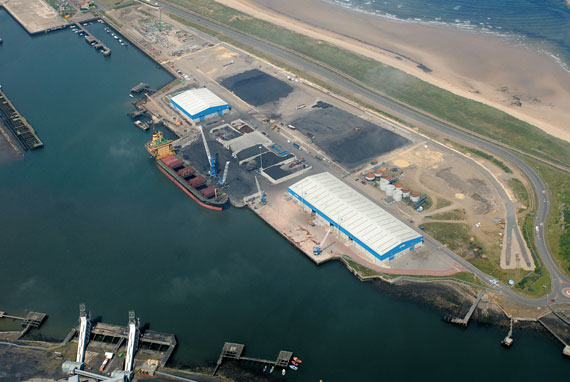
Computer-generated aerial view of the North Blyth biomass power station
North Blyth Energy Ltd has been given permission to build the 100mw plant at Battleship Wharf, Blyth Harbour. Parent company RES, leading British renewable energy company, said the project would provide “significant investment” and jobs in the area. Once operational the 100mw power station will be able to generate low carbon electricity to power the equivalent of over 170,000 UK households every year using sustainably sourced wood-based fuel.

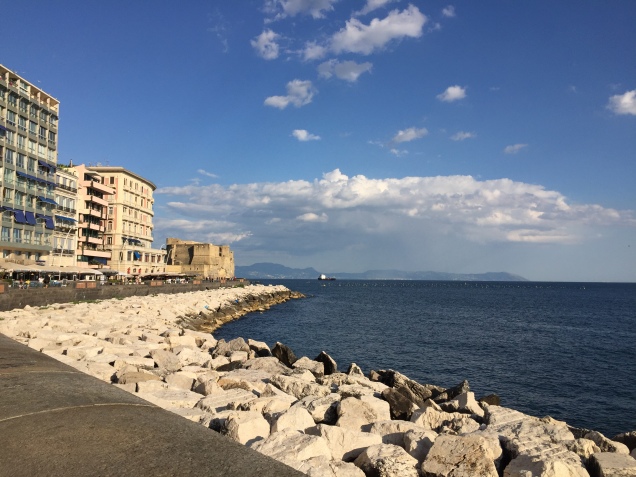 Naples, Southern Italy. In that part of the country that governments, since the Unification of Italy, have consciously and culpably left behind. Naples, a city that is the mirror of the Italic contradictions and of a South which is struggling to emerge: Naples the Rich, Naples the Poor, Naples the Noble, Naples the Plebeian, Naples and its many colors, Naples in black like the pitch which is brought by the boats of its sea.