Brussels Airlines, the flag carrier of Belgium and part of the Lufthansa Group, has started the new year by being the first airline receiving a delivery of Neste MY Sustainable Aviation Fuel at Brussels Airport for the first time using the NATO Central European Pipeline System (CEPS).
thank you very much, again. 2022 was another great year for Il Bioeconomista, which continues to be considered as the most authoritative blog at world level. The bioeconomy is increasingly a phenomenon that attracts the attention of global public opinion and gratifies us as journalists, observers of a reality that we have always defined as the industrial revolution of the Third Millennium.
Today, a little more than 10 years since its foundation, we can say that Il Bioeconomista confirms itself as the world’s leading blog on bieconomy. Thank you so much. Our readers are mainly Europeans, but a growing number of readers are from the United States, Turkey, Canada, Brazil, India, Australia and Malaysia.
For us, it’s a tremendous encouragement to move forward, to offer you a blog that informs and promotes discussion on bioeconomy. The year that has just ended was very important for the global bioeconomy, with significant progress in terms of industry, research and awareness of the institutions, with the launch of the US National Biotechnology and Biomanufacturing Initiative.
We are sure that 2023 will be another important year for the implementation of the bioeconomy. We will be again on your side to tell the facts and continue growing.
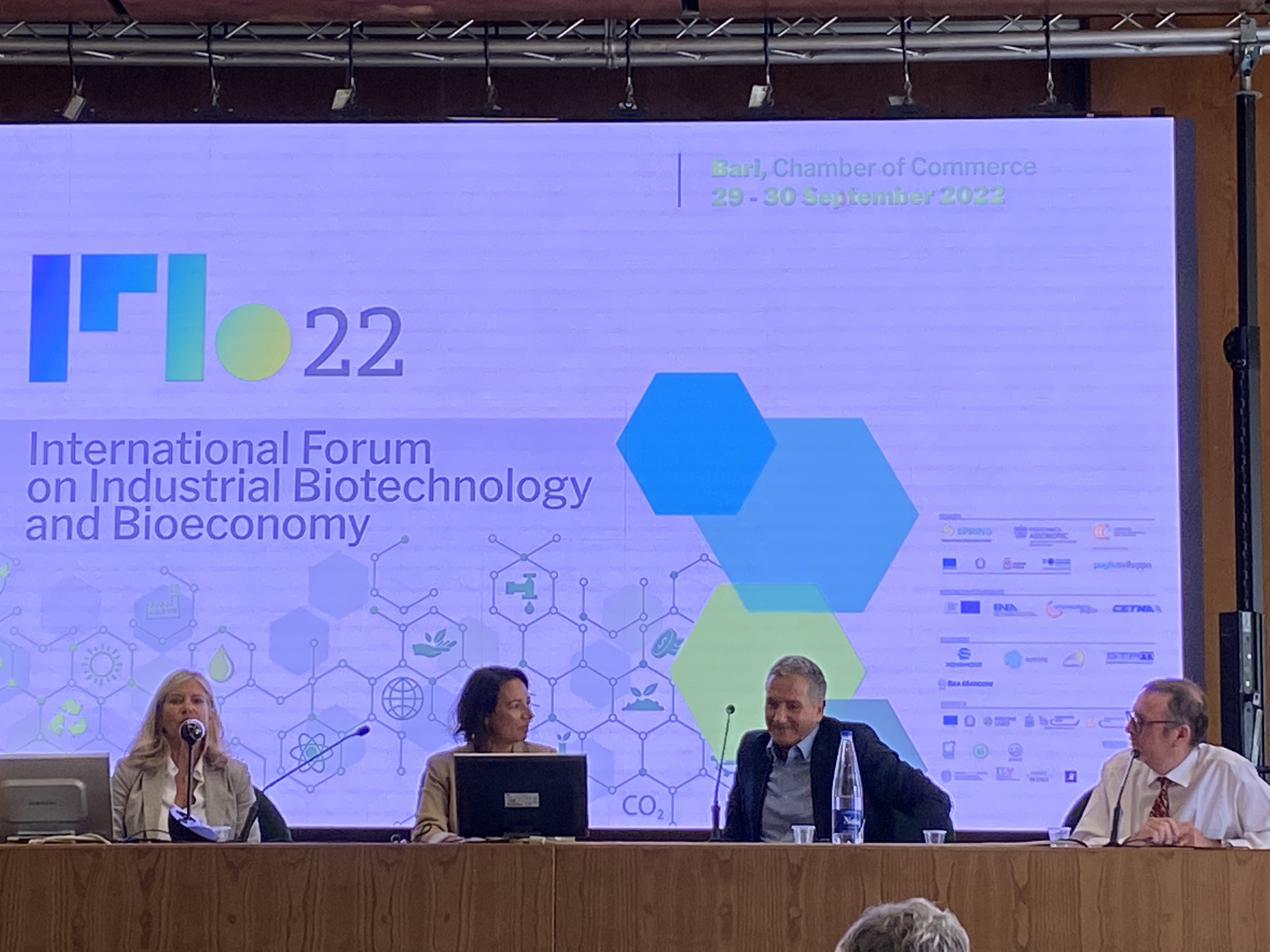
Babette Pettersen, VP Europe at LanzaTech at IFIB 2022’s round table on SAF
Plans for the world’s first commercial-scale factory to transform waste gases into sustainable jet fuel have moved a step closer before Christmas. LanzaTech UK Ltd., a subsidiary of LanzaTech NZ, Inc., an innovative Carbon Capture and Transformation (“CCT”) company, announced that its DRAGON facility project has received a £25M (~$31M, €28,37M) grant from the UK Department for Transport’s Advanced Fuels Fund Competition. LanzaTech’s Project DRAGON, which stands for Decarbonizing and Reimagining Aviation for the Goal Of Netzero, will convert waste gases into synthetic kerosene for use in sustainable aviation fuel (SAF).
“The recognition of our sector through the application of specific NACE codes is an important element as it would allow a better measurement in the statistical field and the possibility of addressing specific legislative measures, such as financing or the creation of specific EER codes”. To say this – in this exclusive interview with Il Bioeconomista – is Giulia Gregori, Strategic Planning and Corporate Communication manager at Novamont, the Italy-headquartered company which is leading the way in the world bioplastics sector.
Evonik has launched a non-animal-derived squalene suitable for vaccines and other pharmaceutical applications. PhytoSquene® is the first known amaranth oil-derived squalene on the market for use in adjuvants in parenteral dosage forms. It meets the demand for a secure commercial supply of non-animal-derived squalene. Non-GMP samples of PhytoSquene® are available immediately with GMP quality to follow in 2023.
According to Reuters, the Biden administration could change the nation’s biofuel blending law next year to offer lucrative credits to electric vehicle manufacturers like Tesla, a major rewrite that the oil industry criticizes as subsidizing the EV industry. The Renewable Fuel Standard, enacted in the mid-2000s, mandates the amount of biofuels like landfill or agricultural methane that oil refiners must blend into the nation’s fuel mix, or buy tradable credits – known as RINs – from those that do.
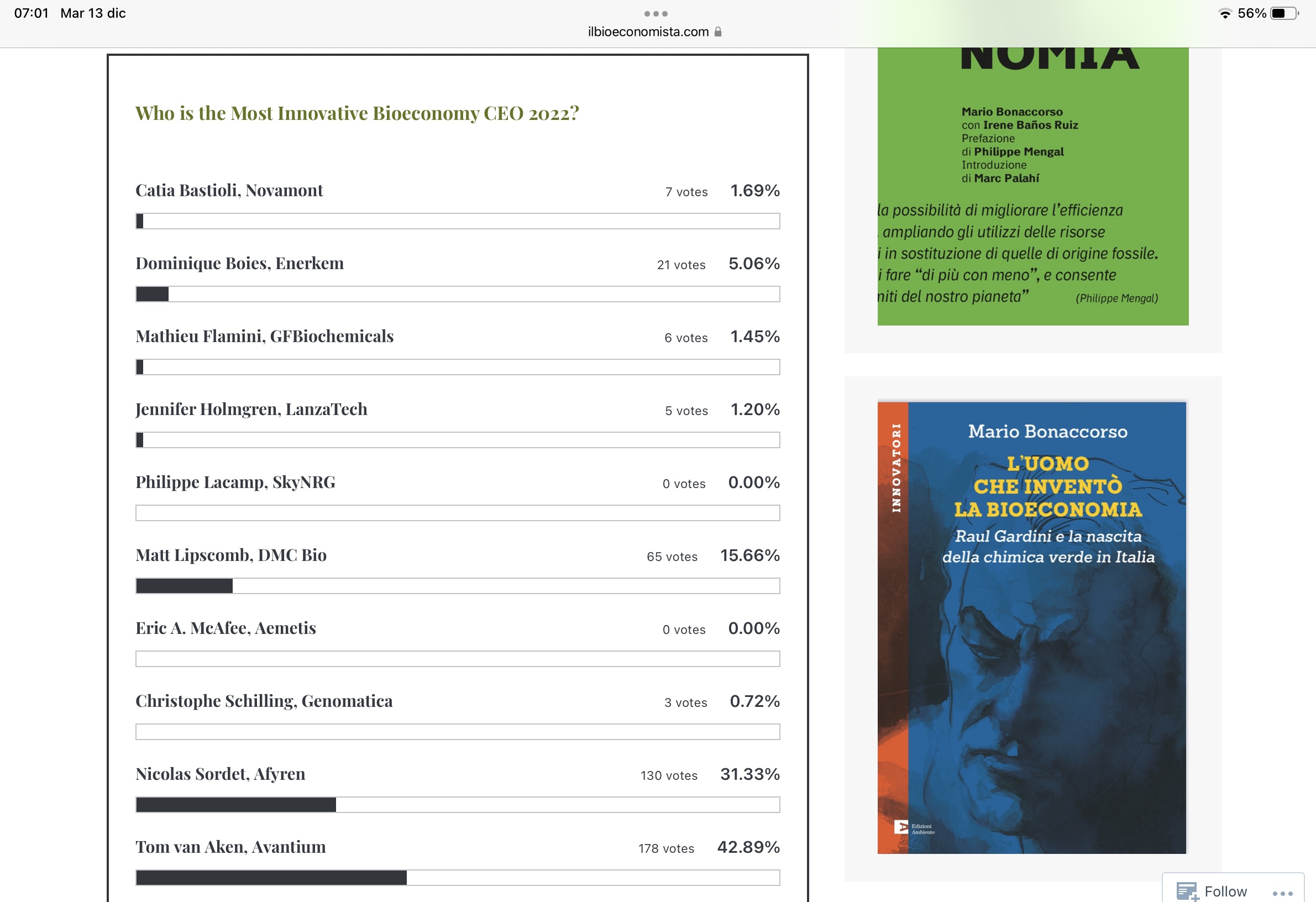
Our readers have voted. The most innovative bioeconomy CEO 2022 is Tom van Aken, CEO of Avantium, the Dutch company that is a pioneer in the emerging industry of renewable and sustainable chemistry. Avantium is headquartered in Amsterdam, employing approximately 200 people, with extensive R&D laboratories and three pilot plants in Geleen and Delfzijl, the Netherlands.
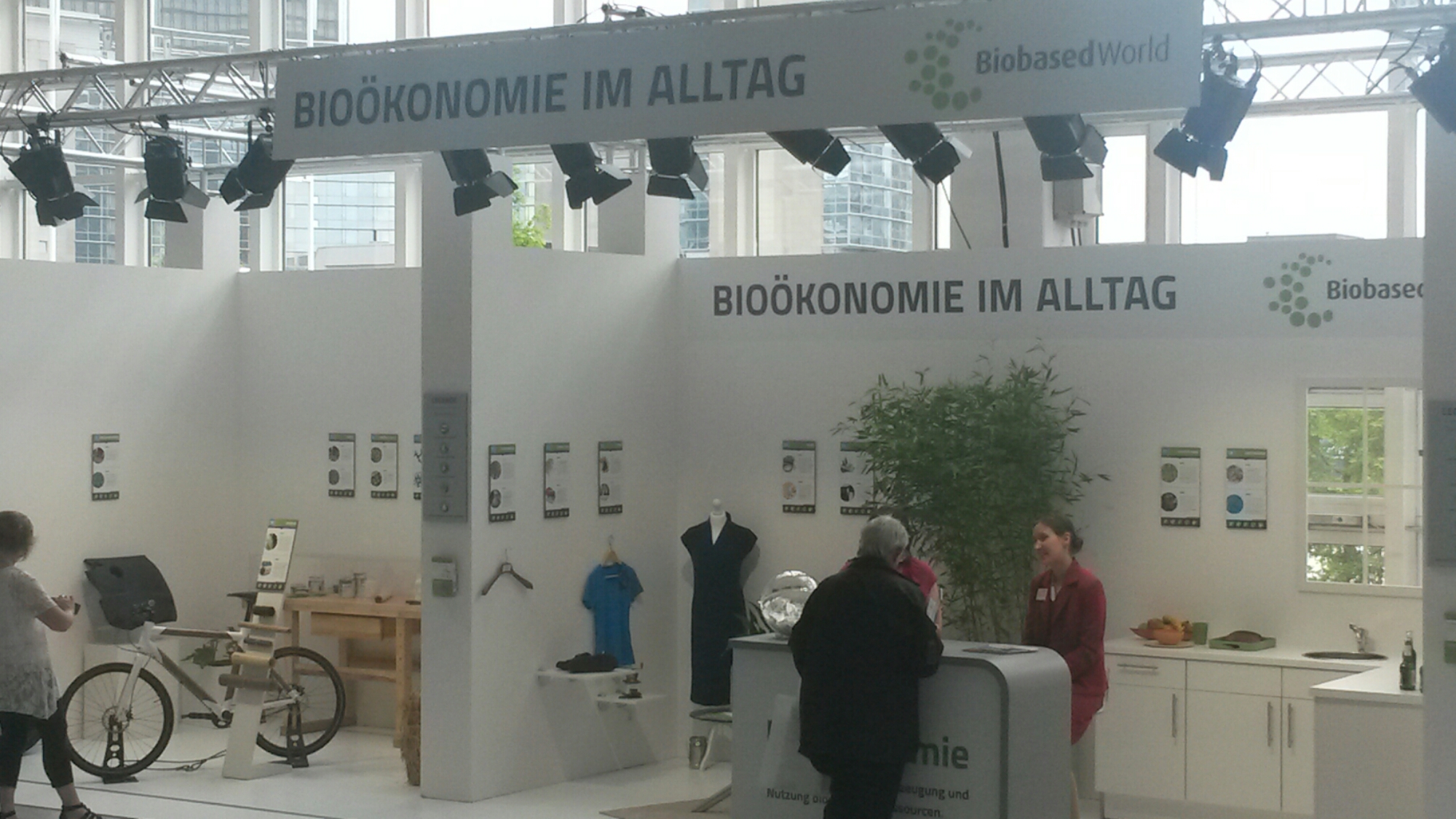
“Bioeconomy in everyday life” @ BioBased World 2015 in Frankfurt am Main
The circular bioeconomy is innovation, the result of the skills and passion of researchers and managers able to create value and new high-qualified jobs, reconciling economy, society and the environment. At the end of 2014 Il Bioeconomista launched a new initiative: The 10 Most Innovative Bioeconomy CEOs.
We have asked a panel of world bioeconomy experts to tell us the Chief Executive Officers that have stood out as the most innovative during the last year.
Now we ask you to choose the most innovative CEO responding to our survey (open till December 13 at 7 am, Western European Time).
The most innovative CEO 2016 was Ken Richards (CEO of Leaf Resources, Australia)
The most innovative CEO 2017 was Tony Duncan (CEO of Circa Group, Australia)
The most innovative CEO 2018 was Jürgen Eck (CEO of BRAIN AG, Germany)
The most innovative CEO 2019 was Alex Michine (CEO of MetGen, Finland)
The most innovative CEO 2020 was Simão Soares (CEO of SilicoLife, Portugal)
The most innovative CEO 2021 was Jennifer Holmgren (CEO of LanzaTech, USA)
This is the result of 2022 (in alphabetical order)
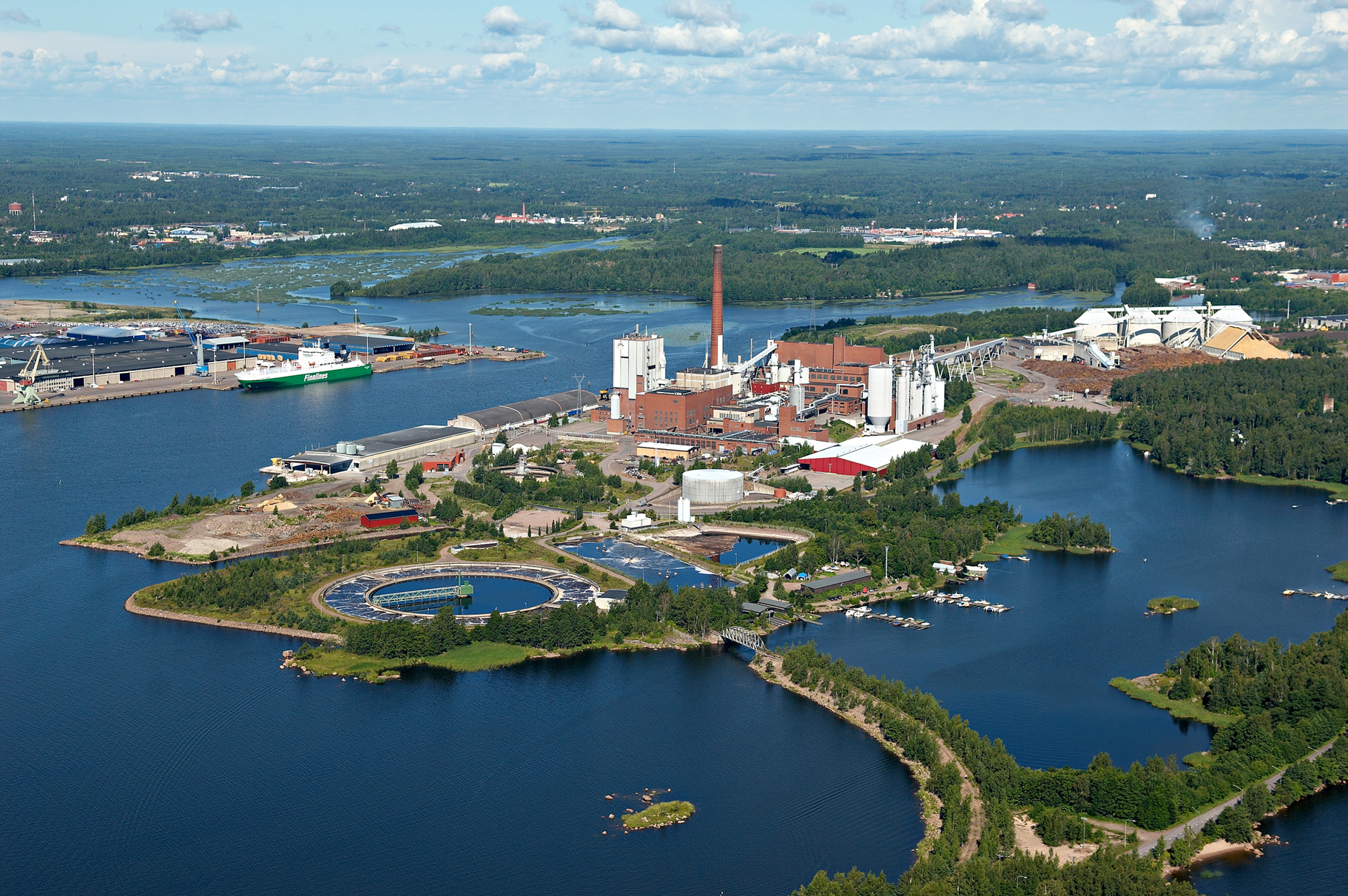
Stora Enso has received regulatory approval from the EU Commission to proceed with the acquisition of De Jong Packaging Group, announced in September 2022. Closure of the transaction is still ongoing and expected to be finalised at the beginning of 2023. The Nordic company acquires De Jong Packaging Group, based in the Netherlands, for an enterprise value of approximately EUR 1,020 million. This acquisition will advance Stora Enso’s strategic direction, accelerate revenue growth and build market share in renewable packaging in Europe. De Jong Packaging Group is one of the largest corrugated packaging producers in the Benelux countries. Its product portfolio and geographic presence will complement and enhance Stora Enso’s offering, especially in fresh produce, e-commerce and industrial packaging.
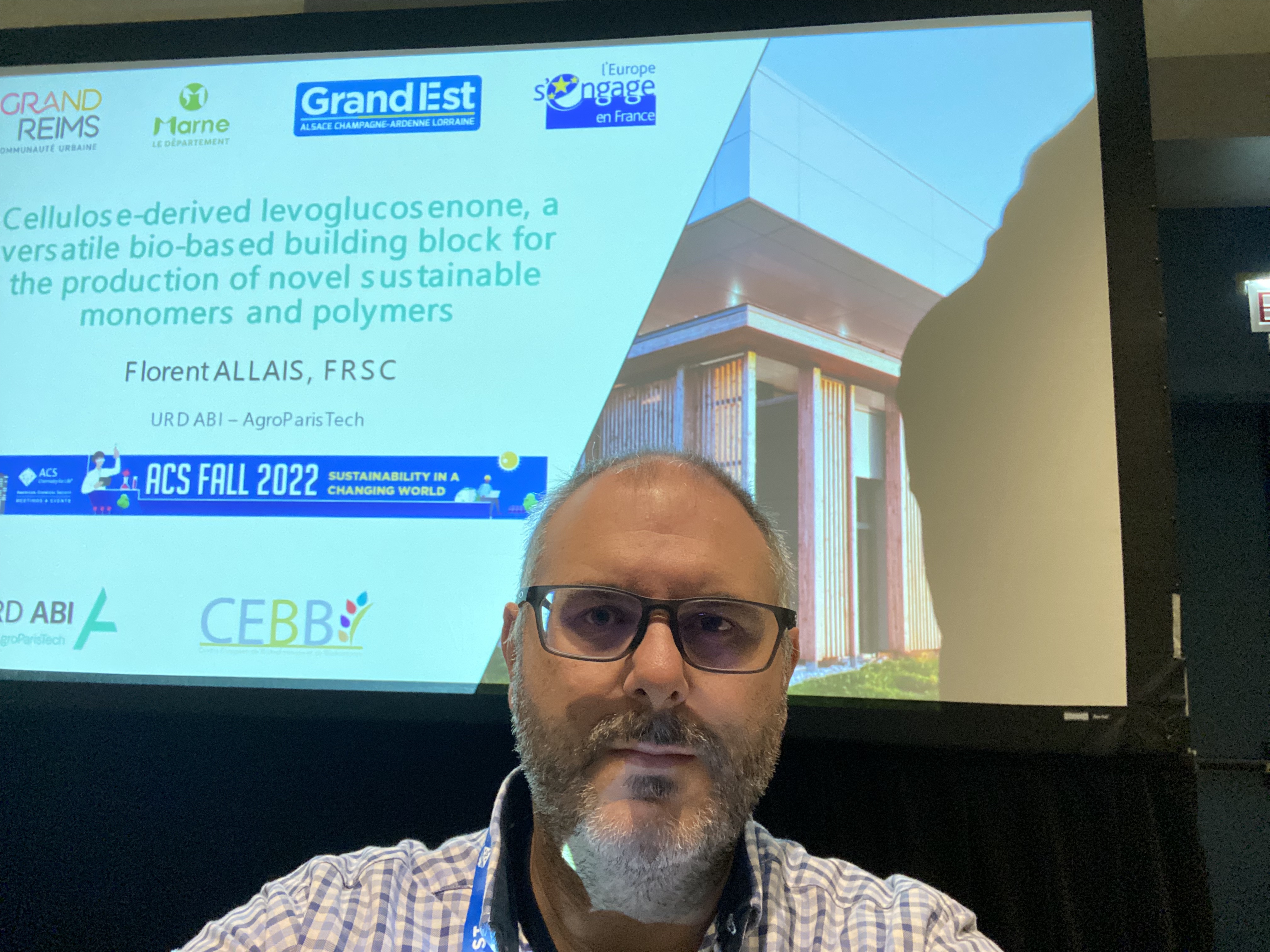
“France has been involved and promoted the bioeconomy for a long time, even before the word bioeconomy was used. The effort for supporting valorization of biomass for producing energy chemicals and materials started in the 90’s with a dedicated agency so-called AGRICE”. To say this – in this exclusive interview with Il Bioeconomista – is Florent Allais, President of the Centre Européen de Biotechnologie et de Bioéconomie based in Pomacle. With Prof. Allais we talk about the French and the European bioeconomy, the role of research and technology transfer and the importance of collaborations at European level.




 IL BIOECONOMISTA