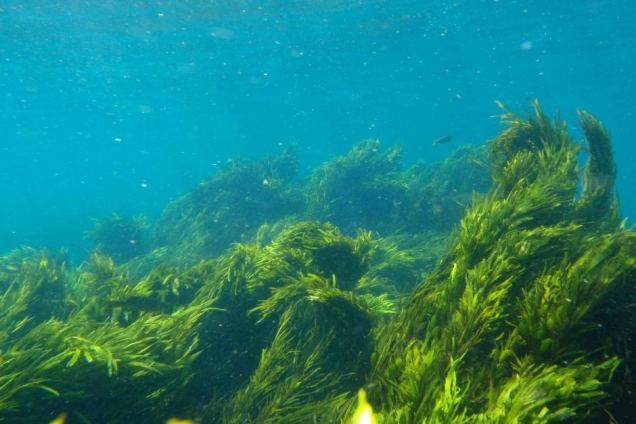
 The marine biotechnology is high on the political agenda. Around 70 experts, company representatives and policy makers met at the European Parliament on March 21 to discuss what is needed for a successful European blue bioeconomy. The debate at the fully booked event revealed: the potential of the oceans is uncontested among experts, but its exploration requires close cooperation and knowledge sharing, a strong focus on sustainability, political commitment and finally, investor and consumer enthusiasm.
Economy
Poland, Portugal and Romania: BIC’s reports show a great potential to develop the bioeconomy

The Bio-based Industries Consortium (BIC), the private partner in the Bio-based Industries Joint Undertaking (BBI JU), has published three new Country Reports mapping the potential and identifying opportunities for expanding the bio-based industry in Poland, Portugal and Romania.
Bio-on launches a new use for its 100% natural and biodegradable PHAs bioplastic

Bio-on launches a new use for its 100% natural and biodegradable PHAs bioplastic. The researchers of the Italian company have developed a solution for the controlled release of Urea fertilisers, an enormous market with global annual production of 180 million tons and 4% annual growth. The advantage is more effective dosage and lower fertiliser consumption. This means less pollution and a positive impact on people and the planet. Continue reading
The project of an advanced waste-to-chemistry facility in Rotterdam moves forward
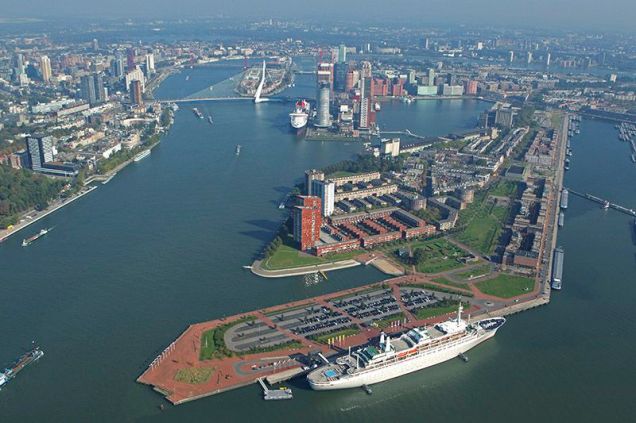
Air Liquide, AkzoNobel Specialty Chemicals, Enerkem and the Port of Rotterdam signed a project development agreement covering initial investments in an advanced waste-to-chemistry facility in Rotterdam, Netherlands. The facility will be the first of its kind in Europe to provide a sustainable alternative solution for non-recyclable wastes, converting waste plastics and other mixed wastes into new raw materials.
The first LEGO elements made from sustainably sourced plastic will be on the market this year
 Danish toys giant LEGO goes green. The botanical elements such as leaves, bushes and trees will be made from plant-based plastic sourced from sugarcane in the future and will appear in LEGO boxes already in 2018.
An interview with Philippe Mengal, executive director BBI JU: “We need to reinvent our economy to face the challenges of climate change and resource constraints”
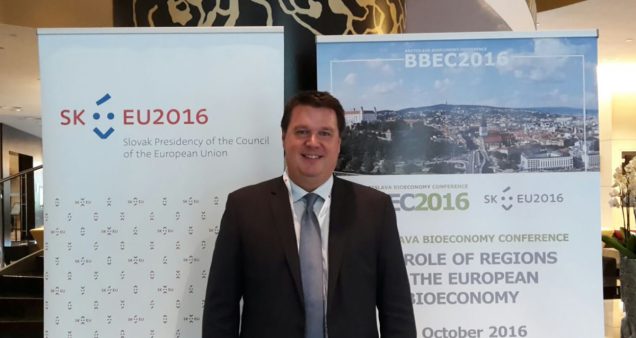
“Europe is becoming a very attractive area to invest in bio-based Industries: where BIC members were announcing a portfolio of 2bn euros investment in 2014 the same survey announced 5 bn euros investments in 2017”. To say it – in this long, exclusive interview with Il Bioeconomista – is Philippe Mengal, executive director of the BBI JU. The Bio-Based Industries Joint Undertaking is a €3.7 billion Public-Private Partnership between the EU and the Bio-based Industries Consortium. Operating under Horizon 2020, it is driven by the Vision and Strategic Innovation and Research Agenda (SIRA) developed by the industry
According to Mengal, “The next decade is a critical period for the EU. We need to reinvent our economy to face the challenges of climate change and resource constraints. Europe is committed to excelling in smart, sustainable growth and mobilizing investment to create new products and new markets is key”.
Interview by Mario Bonaccorso
UPM launches a new white plant-based material: a sustainable alternative to fossil-based films
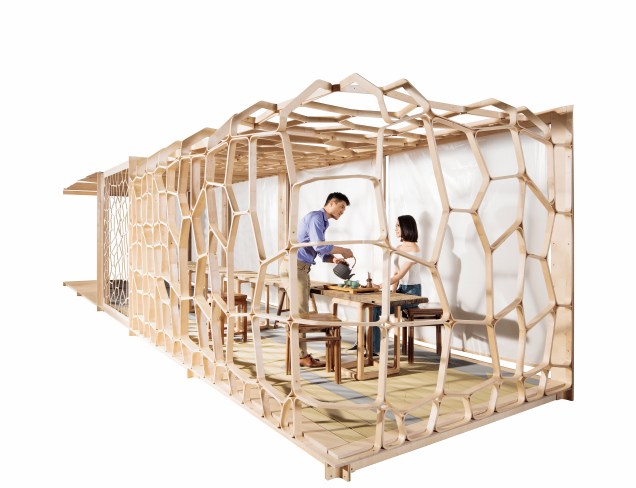
UPM Raflatac is extending its range of film face materials for the European market with a new white plant-based material that provides a sustainable alternative to fossil-based films for a wide variety of end uses. “RafBio PE White – UPM claims – performs just like standard PE film, and its excellent flexibility makes it ideal for the squeezable bottles and contoured containers that are widely used in home and personal care applications”.
An interview with Tony Duncan, CEO Circa Group, the Most Innovative Bioeconomy CEO 2017

Last December Tony Duncan, CEO of Circa Group, was nominated by our readers the Most Innovative Bioeconomy CEO 2017. In this long interview with Il Bioeconomista, he talks about this recognition, what is innovation, the bioeconomy and the next steps of his company.
Interview by Mario Bonaccorso
First of all, congratulations for the recognition as The Most Innovative Bioeconomy CEO 2017. What is innovation in the bioeconomy, from your point of view?
Thank you – it was certainly a surprise to be nominated, and the result is very much a confirmation of Circa’s approach and the efforts of the team over the past 9 plus years – staff, shareholders, researchers and partners!
Stora Enso takes a step forward to replace fossil-based materials with renewable solutions

Stora Enso launched bio-based lignin as renewable replacement for oil-based phenolic materials. Lignin is one of the main building blocks of a tree and makes up 20-30% of the composition of wood. Yet it has traditionally been discarded by the pulp and paper industries. However, Stora Enso has recognised the potential of this versatile raw material, which can be used in a range of applications where fossil-based materials are currently used.
The master BioCirce awarded with the Italiadecide prize for teaching innovation
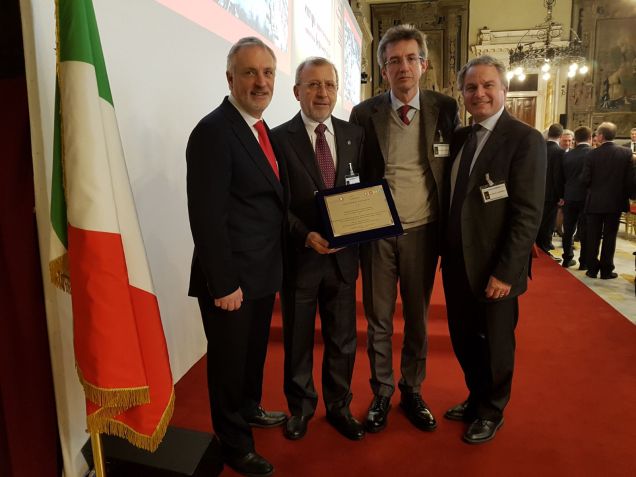
The master BioCirce received yesterday at the Parliament, from the President of the Italian Republic, the Italiadecide (Italy decides) prize for teaching innovation. BioCirce is the first European Master in Bioeconomy in the Circular economy. To organise it are four Italian universities from North to South (University of Turin, University of Milan Bicocca, University of Bologna and University of Naples Federico II), with the support of three of the main Italian bioeconomy players (Novamont, GFBiochemicals and Science Park of Lodi) and the Italian leading banking Group Intesa Sanpaolo, which is the only financial global partner of the Ellen McArthur Foudation.
 IL BIOECONOMISTA