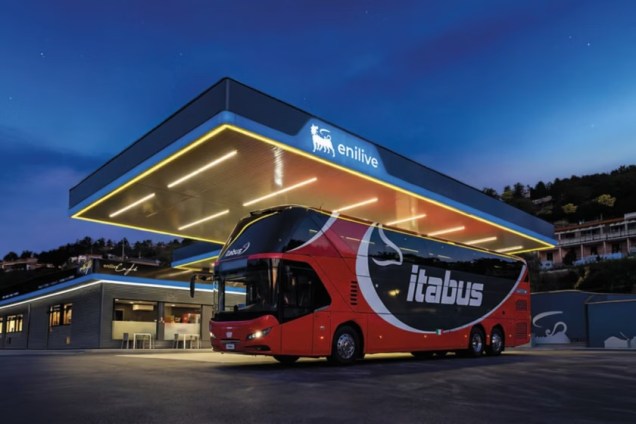
The entire Itabus fleet travels with Enilive HVO diesel biofuel

Source: http://www.eni.com

All the 100 vehicles in the Itabus fleet run on Enilive’s HVOlution diesel, a biofuel made from 100% renewable raw materials (in accordance with the European Renewable Energy Directive). Produced at Enilive’s biorefineries in Venice and Gela mainly from waste, such as used cooking oil and animal fats, and residues from the agri-food industry, HVOlution is a hydrogenated vegetable oil that can be used in all validated diesel engines and is available in more than 1,550 Enilive service stations in Italy. HVO diesel biofuel – according to the Italian company – contributes to the decarbonization of the transport sector, including heavy-duty vehicles: across the entire supply chain, in 2025 the average CO₂eq emissions reduction from Enilive HVO for traction use was 79.5%, if compared to the reference fossil mix.
Continue reading

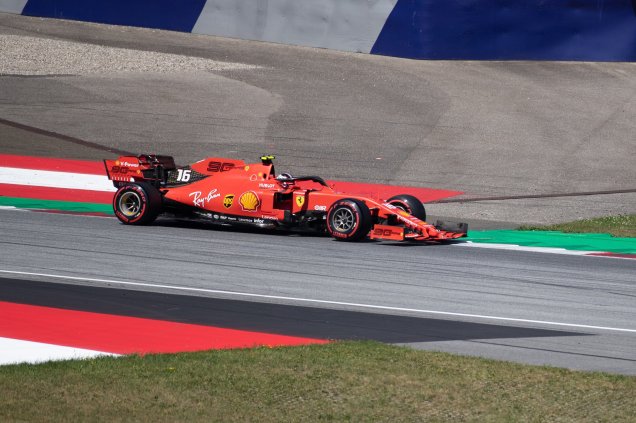
Formula 1® joins the circular bioeconomy

Formula 1® joins the circular bioeconomy. Indeed it has become an affiliate member of the Circular Bioeconomy Alliance (CBA), established by His Majesty King Charles III when he was The Prince of Wales. As a member of the CBA, Formula 1 will work together with industry experts and other CBA members to strengthen the integration of nature protection and restoration into its strategy and delivery. 

Continue reading

Bioeconomy: European Council backs moving bio-based innovations from lab to production

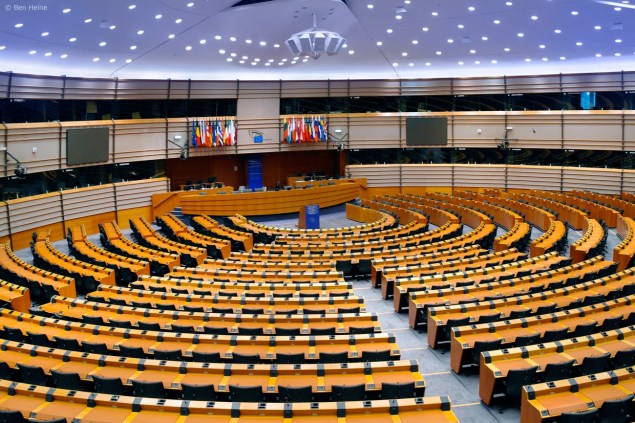
European Parliament, Brussels

Last Tuesday, the European Council approved conclusions on the new EU’s bioeconomy strategy. The Council conclusions welcome the vision for a competitive and sustainable bioeconomy by 2040, promote the use of bio-based and circular solutions across all relevant sectors – as fossil-free alternatives – and support innovation and investments. 

Continue reading

On March 24 the CBE JU Stakeholder Forum will take place in Brussels

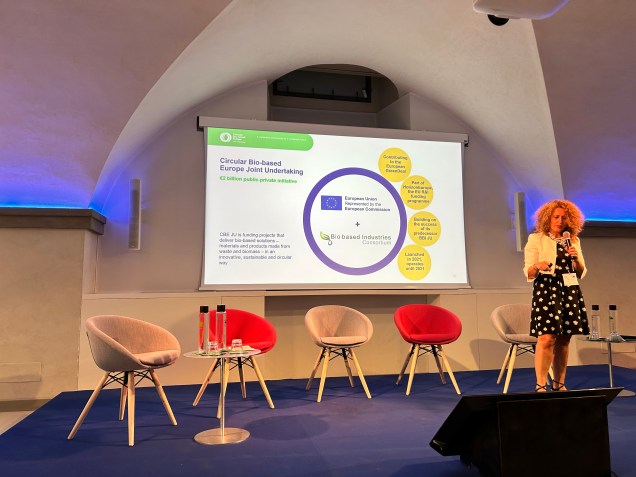
Virginia Puzzolo, Head of Program at CBE JU at IFIB 2023 in Florence

On 24 March, the CBE JU Stakeholder Forum 2026 will take place in Brussels, bringing together Europe’s bio-based community for high-level discussions on how to move from innovation to real market impact. The second edition of the forum will focus on a key question: what still needs to happen for Europe’s bio-based innovations to become competitive, large-scale industrial solutions? The forum will bring together CEOs from leading European bio-based companies (among these Catia Bastioli CEO Novamoent, Niklas von Weymarn CEO Metsa Spring, Nicolas Sordet CEO Afyren), as well as key EU decision makers, to discuss what it takes to transform innovation into industrial reality.

Continue reading

Stora Enso releases climate resilience plan

Stora Enso paper mill in Hyltebruk (Sweden)

Stora Enso has published a climate resilience plan outlining its approach to climate action, target attainment, and business preparedness for future climate scenarios. The plan includes a forecast for emission reductions across all scopes by 2030.  At the end of 2025, the Group’s Scope 1 and 2 CO2e emissions were 61% lower and the estimated Scope 3 emissions 38% lower than in the 2019 base year. The target is to achieve a 50% reduction in all scopes by 2030.   

Continue reading

International Women’s day: our tribute to all women who are making the bioeconomy happen

Equal opportunity and equal treatment in the labour market are at the core of decent work. Unfortunately, women around the world still face additional hurdles to access employment, and once in employment, to access decision-making positions and jobs in certain sectors or of certain characteristics. This horizontal and vertical gender segregation of employment, combined with the unequal distribution of unpaid work (including household and childcare activities), results in differences in working conditions such as the gender pay gap and the over-representation of women in part-time jobs.

Continue reading

UPM and the University of Eastern Finland to collaborate: new research focuses on the effects of mire restoration on water systems

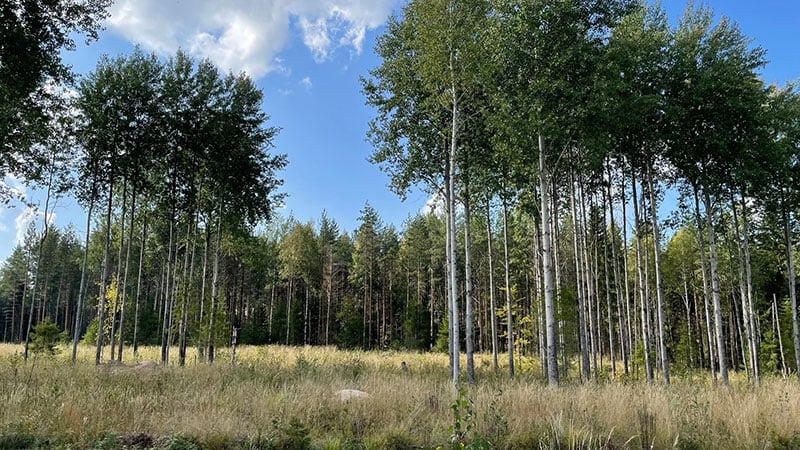
UPM is launching its own doctoral program on the ecological impacts of forest management and on so‑called nature management actions in forestry. The University of Eastern Finland has been selected as the first partner in the program, with a focus on water protection. The research topic examines the effects of peatland management—and particularly the restoration of mires—on water chemistry and biota. The aim is to investigate how different restoration measures influence water quality and biodiversity in waterways immediately after the measures have been implemented.

Continue reading

BioINSouth Forum goes to Seville. On June 11-12 the second edition of the event focused on Mediterranean bioeconomy

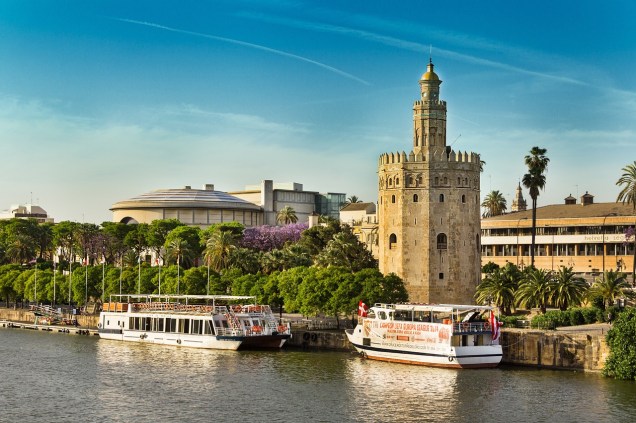
Seville in Spain will host the second edition of the BioINSouth Forum. The Andalusian city will be the Mediterranean capital of bioeconomy from June 11 to June 12, thanks to the forum that will bring together leaders and experts from various sectors and disciplines from South Europe and beyond. They will discuss and outline the R&I priorities in bioeconomy, in conjunction with the particularities of the South European regions, asking for a new political EU Initiative: BioSouth. If there is a BioEast it’s also needed a BioSouth to enlarge and boost the European bioeconomy

Continue reading

Happy New Year!

Dear Readers,

we want to wish all of you a very happy, peaceful and healthy year, where we all will keep working together to make the circular bioeconomy happen.

New EU Bioeconomy Strategy. Catia Bastioli talks to Il Bioeconomista: “The contribution of bio-based products should be acknowledged in legislative acts”

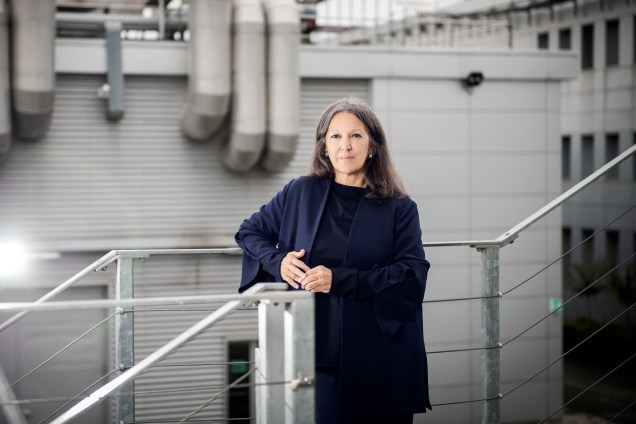
Catia Bastioli, President of Italian Circular Bioeconomy Cluster Spring, talks to Il Bioeconomista. In this exclusive interview with us, she talks about the new EU Bioeconomy Strategy, after its official launch yesterday in Copenhagen organized by the EU Commission and the Danish Presidency of the EU. “The new Strategy – she says – both in its content and in the context in which it is presented, could be a significant instrument for relaunching European competitiveness, viewing environmental sustainability as a driver of competitiveness.”

According to Bastioli, “the delays accumulated so far are causing Europe to lose its leadership to China and the United States, which have already defined clear strategies for the future of their bio-based manufacturing sectors, following the path originally traced by the EU. There can be no prosperous future without a clear strategic evolution for Europe and without full recognition of the extraordinary value of its territories and their diversity, which form the foundation of the bioeconomy”.

Interview by Felice Amori

Continue reading