 Braskem is to become a Green Plastic supplier for the traditional Rio de Janeiro-based brand Café Favorito. The first polyethylene of renewable origin to be produced in the world, the resin will be applied in the 500 g coffee pillow packs.
“We produce over one million metric tons of coffee annually, sold mainly in the Lagos and Serrana regions and in the south of the state of Rio de Janeiro. The use of Green Plastic in our packaging reinforces our effort in the search for sustainable performance,” explained Adriana de Oliveira, Chief Commercial Officer of Café Favorito.


 More than 300 delegates from EU, USA, Indonesia, Australia, Latin America and Canada. High relevant speakers such as Jennifer Holmgren, Ceo LanzaTech, Tony Duncan, CEO Circa Group, Philippe Mengal, Executive Director at BBI JU, Mieke De Schoenmakere at European Environment Agency, Elisabetta Balzi at European Commission, and many others. Two round tables focused on Investments and the role of clusters in the bioeconomy. This is IFIB, the International Forum on Industrial Biotechnology and Bioeconomy, which opens today in Turin at the Congress Center of Cavallerizza Reale (University of Turin).


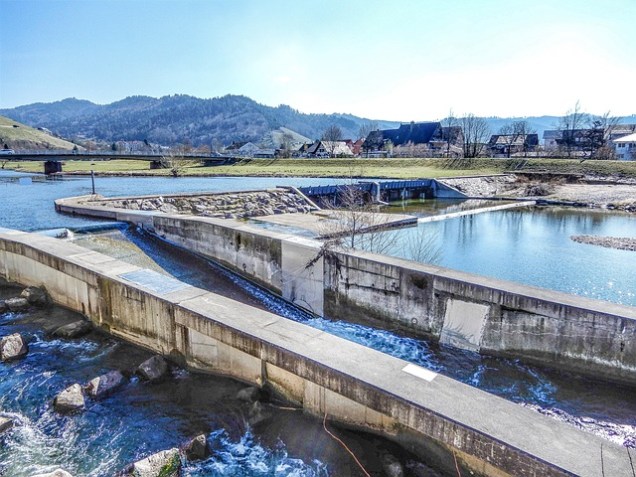 The Dow Chemical Company unveiled its Blueprint for Sustainable Watershed Management to a multi-stakeholder session of The CEO Water Mandate. Part of Dow’s 2025 “Leading the Blueprint” Sustainability Goal, the blueprint is built on the Company’s collaborative watershed management practices.

