Artigo, an international rubber flooring company based in Italy, will produce their next-generation flooring collections from 2025 with UPM BioMotion™ Renewable Functional Fillers (RFF). By incorporating UPM Biochemicals’ RFF, Artigo has achieved CO2 footprint savings of up to 0.5 kg CO2e/sq. meter and managed to reduce the weight by up to 5% per square meter flooring.
Thomas Philipon and Mr. Hong showcasing the Luminy PLA based noodle cups. Source: TotalEnergies Corbion
The Compostable By Design Platform (CBDP) was launched in Europe by a group of leaders of compostable materials value chain with TotalEnergies Corbion has one of the steering group members. The platform gathers stakeholders representing the entire value chain from raw material producers, converters, brand owners to waste management organizations as well as testing and certification bodies.
INEOS Inovyn launched two new PVC pilot plants at its Jemeppe-sur-Sambre site in Belgium, to accelerate technologies for recycling PVC which is not mechanically recyclable today. It forms part of a strategic ‘Project Circle’ initiative, which aims to commission an industrial unit with a 40KT recyclable capacity by 2030. To strengthen the technical and commercial development, INEOS Inovyn joined two value chain consortiums supported by the Walloon and Flemish authorities.
Boeing is buying 9.4 million gallons (35.6 million liters) of blended sustainable aviation fuel (SAF) to support its 2024 U.S. commercial operations, reducing its carbon emissions and working to help grow the supply of the fuel globally. This is the company’s largest annual SAF purchase, more than 60% higher than its buy in 2023. The blended fuel – 30% SAF made from waste by-products such as fats, oils, and greases and 70% conventional jet fuel – will support the Boeing ecoDemonstrator program and Boeing U.S. commercial operational flights.
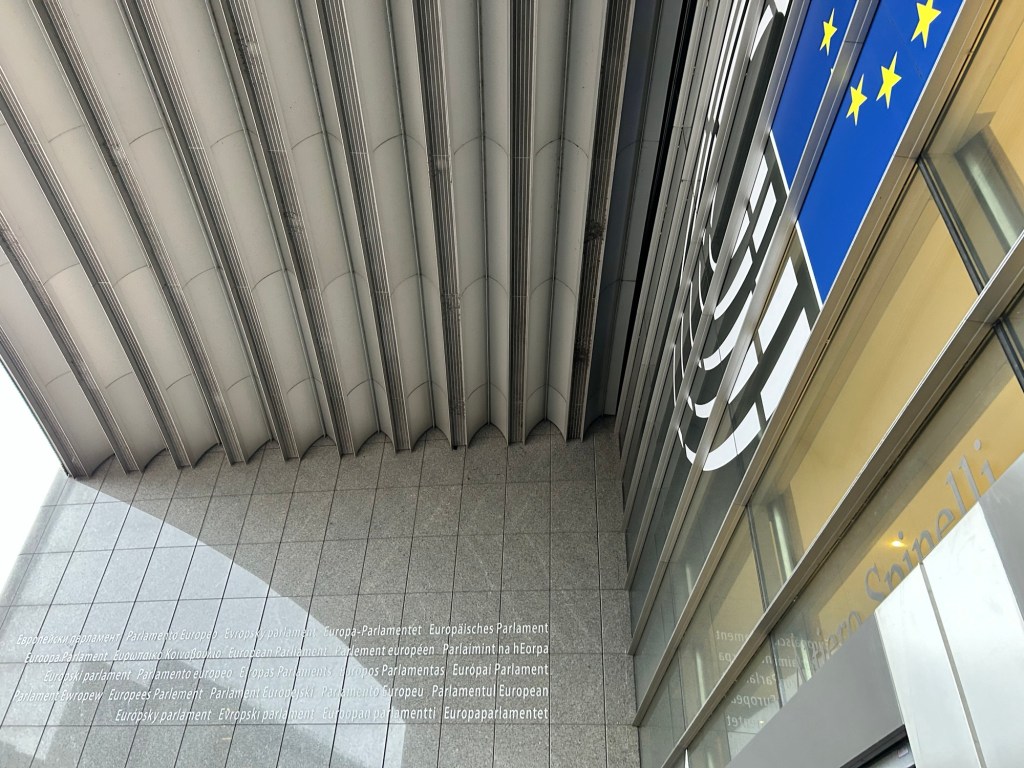
“This phrase by Robert Schuman, founder of Europe, has marked my political commitment from the start. “Europe will not be made all at once, or according to a single plan: it will be built through concrete achievements which first create a de facto solidarity.” It summarizes Schuman’s pragmatic and progressive approach to building European unity, starting with specific projects that could bring nations together and build a basis for cooperation and mutual trust. The analogy with the Bioeconomy is perfect.” To say this – in this exclusive interview with Il Bioeconomista – is Franck Leroy, the President of the Grand Est Region in France, one of the leading bioeconomy regions at European level. He talks about the role of the bioeconomy fur the future of the Region is governing, for France and for the European Union, inviting all our readers to vote for the next election of the EU Parliament (and we fully support his invitation). “It is therefore essential – he states – that public policies are consistent with each other, to foster innovation and the development of the Bioeconomy in our territories, in our countries, and in our continent. And I believe that the regional level is undoubtedly the most relevant level to intersect all these ambitions.”
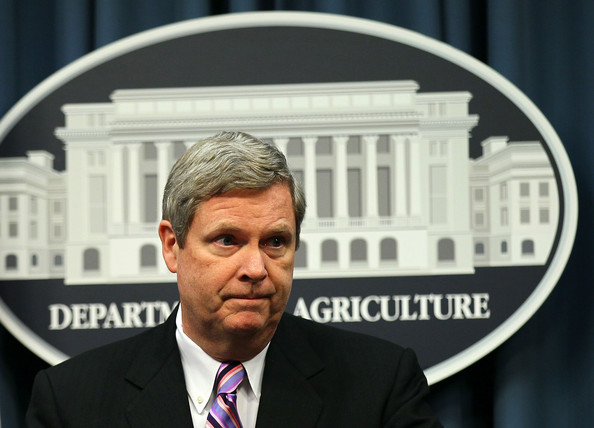
The U.S. Department of Agriculture (USDA)released a plan that will boost biomass supply chain resiliency for domestic biobased product manufacturing, while also advancing environmental sustainability and market opportunities for small and mid-sized producers.
The U.S. Department of Agriculture (USDA) honored last 8 March the second annual National Biobased Products Day, a celebration to raise public awareness of biobased products, their benefits and their contributions to the U.S. economy and rural communities. “Bioproducts offer opportunities for more revenue streams for small and mid-sized farmers while giving consumers more in-demand, clean options for everyday items.”
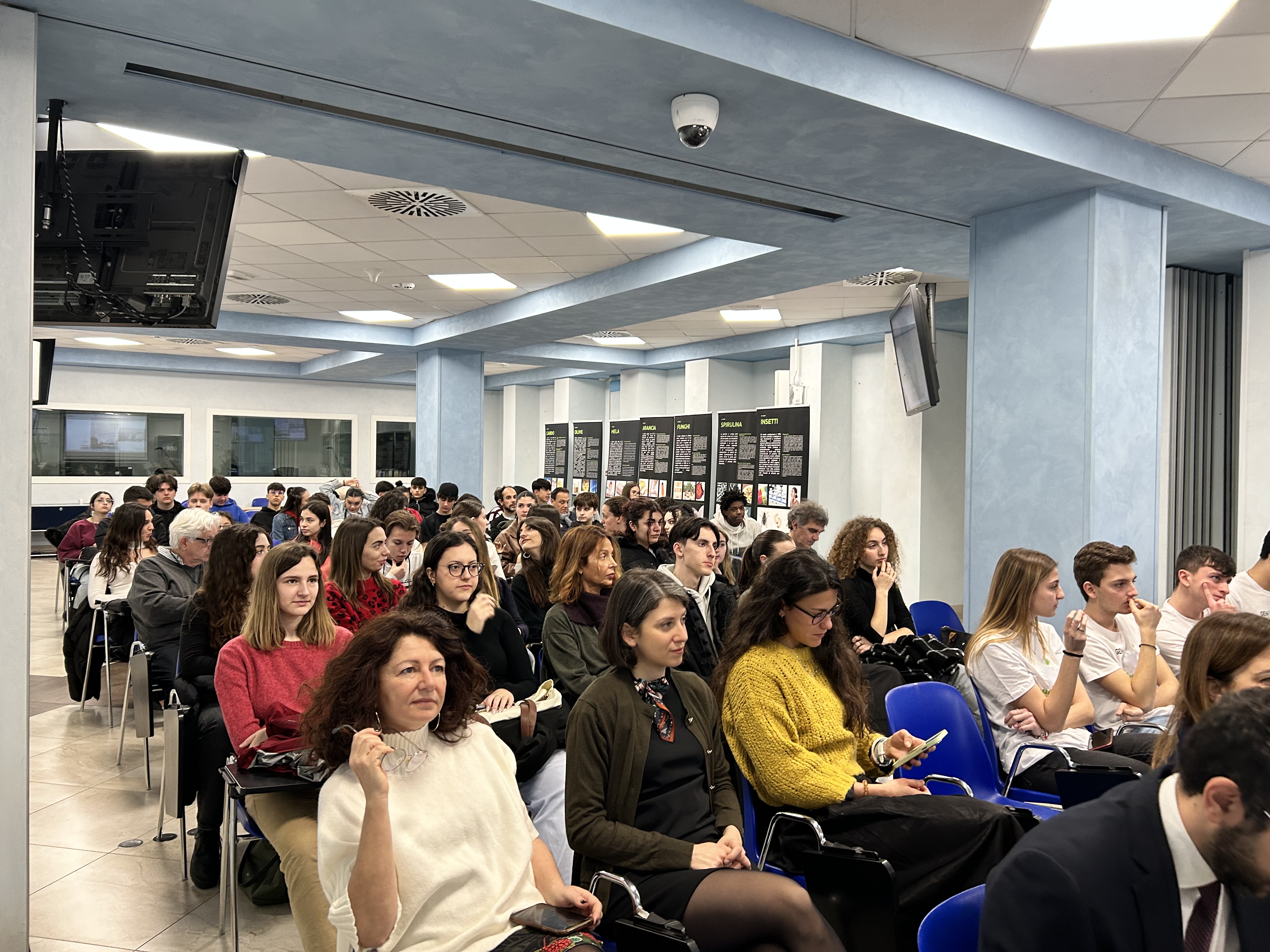
A Festival that aims to engage youth as drivers of the transformative change required in view of the multiple challenges that Europe faces today, and to unlock the potential of the bioeconomy to make the transformation happen. This is the ‘Bioeconomy Changemakers Festival’ organised by the European Commission (DG Research and Innovation) in cooperation with the Bioeconomy Youth Ambassadors, and accompanied by independent satellite events all over Europe on March 13 and 14
In addition, the Festival helped the European Commission to gather views on an update of the Bioeconomy Strategy and Action Plan.
It took place between 11 and 17 of March 2024 in various locations across the EU, and comprised of:
a high-level event, organised by the European Commission, in Brussels, on 13-14/03/2024.
more than 30 satellite events, organised by third party organisations all over Europe, to enable youth to take part in the festival.
The target audience of the high-level event of 13-14 March 2024 consists of bioeconomy stakeholders, regional, national and international policy makers and youth interested in the bioeconomy.
The satellite events, organised in 18 countries, are offering space for discussions, networking, and information on career opportunities.
Equal opportunity and equal treatment in the labour market are at the core of decent work. Unfortunately, women around the world still face additional hurdles to access employment, and once in employment, to access decision-making positions and jobs in certain sectors or of certain characteristics. This horizontal and vertical gender segregation of employment, combined with the unequal distribution of unpaid work (including household and childcare activities), results in differences in working conditions such as the gender pay gap and the over-representation of women in part-time jobs.



 IL BIOECONOMISTA