
- Headquarter of Basf in Ludwigshafen
The chemical giant BASF and bse Engineering have signed an exclusive joint development agreement for BASF to provide custom made catalysts for a new chemical energy storage process. This process will enable economically viable transformation of excess current and off-gas carbon dioxide (CO2) into the chemical energy storage methanol in small-scale, delocalized production units.

 Starting in July, the airport buses at Helsinki Airport has been fuelled by diesel manufactured wholly from waste and residue. Finavia – a limited corporation owned fully by the Finnish state, which is responsible for maintaining and developing its 21 airports and Finland’s air navigation system – started a gradual conversion to using renewable diesel in all buses travelling between the terminal and aircraft at Helsinki Airport. It is also Finavia’s goal to encourage other companies operating at its airports to use renewable fuels.
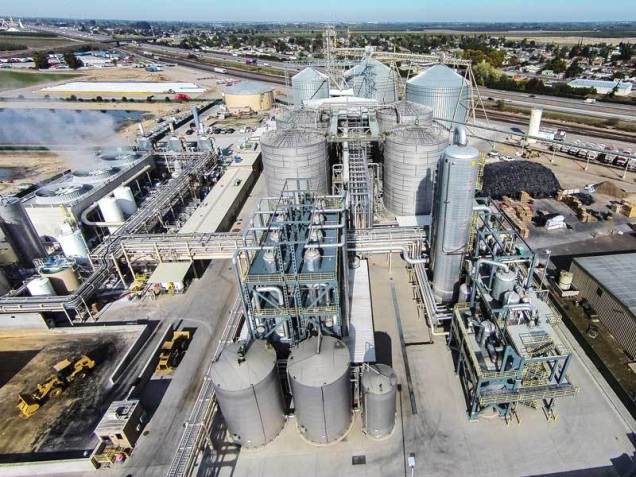 Ethanol Production Facility in Keyes, CA
 Amyris, the U.S. industrial bioscience company led by John Melo, closed the second and final tranche of its previously announced financing. The second tranche of $50 million in a private placement was led by a $25 million investment from Koninklijke DSM N.V. (Royal DSM) with the remaining $25 million contributed by Vivo Capital.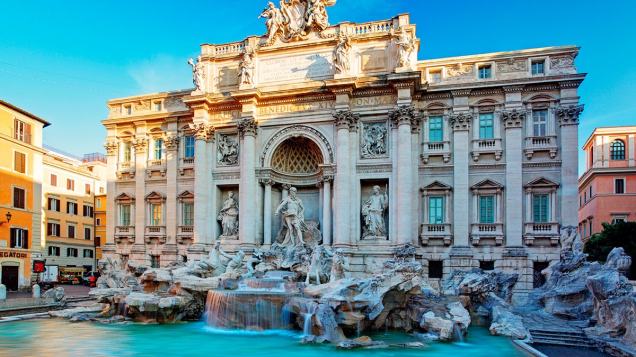

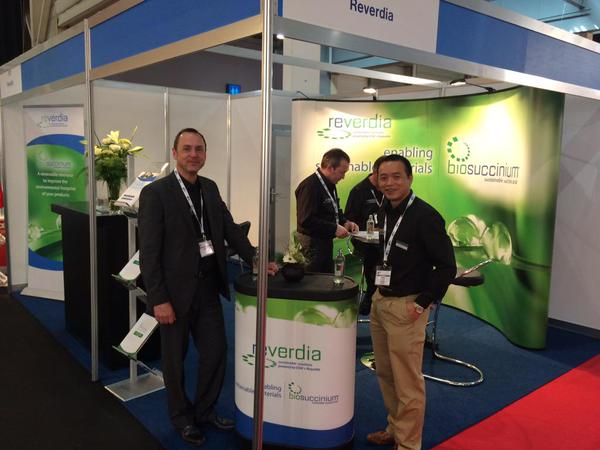 The bioeconomy is today, in our everyday life: Reverdia’s Biosuccinium® has been used in the production of biobased materials for VAUDE’s new Skarvan range. As part of the completely redesigned Summer 2018 Shoe Collection, they offer consumers a sustainable choice of trekking shoe with high-end design.
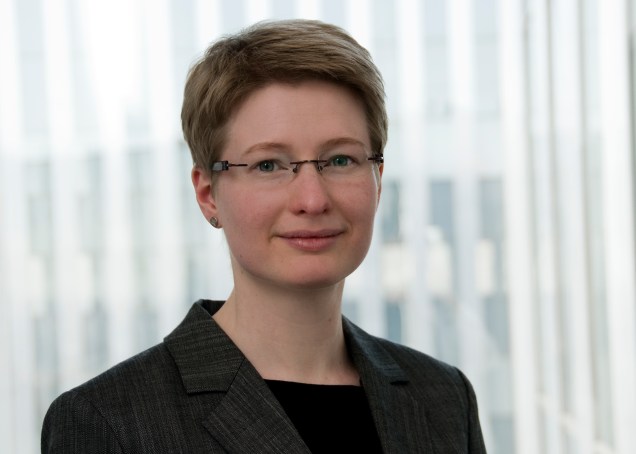 “Clusters can set an environment for investment and implementation. They can bring the right people together and help to identify both hurdles and how to overcome them, for example by scouting technologies or helping to find access to funding”. To say it – in this long and exclusive interview with Il Bioeconomista – is Tatjana Schwabe, scientific advisor at CLIB2021, the German cluster of industrial biotechnology based in Düsseldorf. With Schwabe with talk about the role of clusters in supporting the European bioeconomy.
