The bioeconomy increasingly concerns also the textile industry. Fulgar, an Italian company that operates worldwide in the synthetic yarns market and is a leader in the production and distribution of Polyamide 6.6 and covered spandex in the textile and technical sectors, has launched Evo, the latest generation hi-tech fibre combining high-performance personality and 100% biological heart. It is – the company says – a perfect synthesis of performance and environmental awareness.
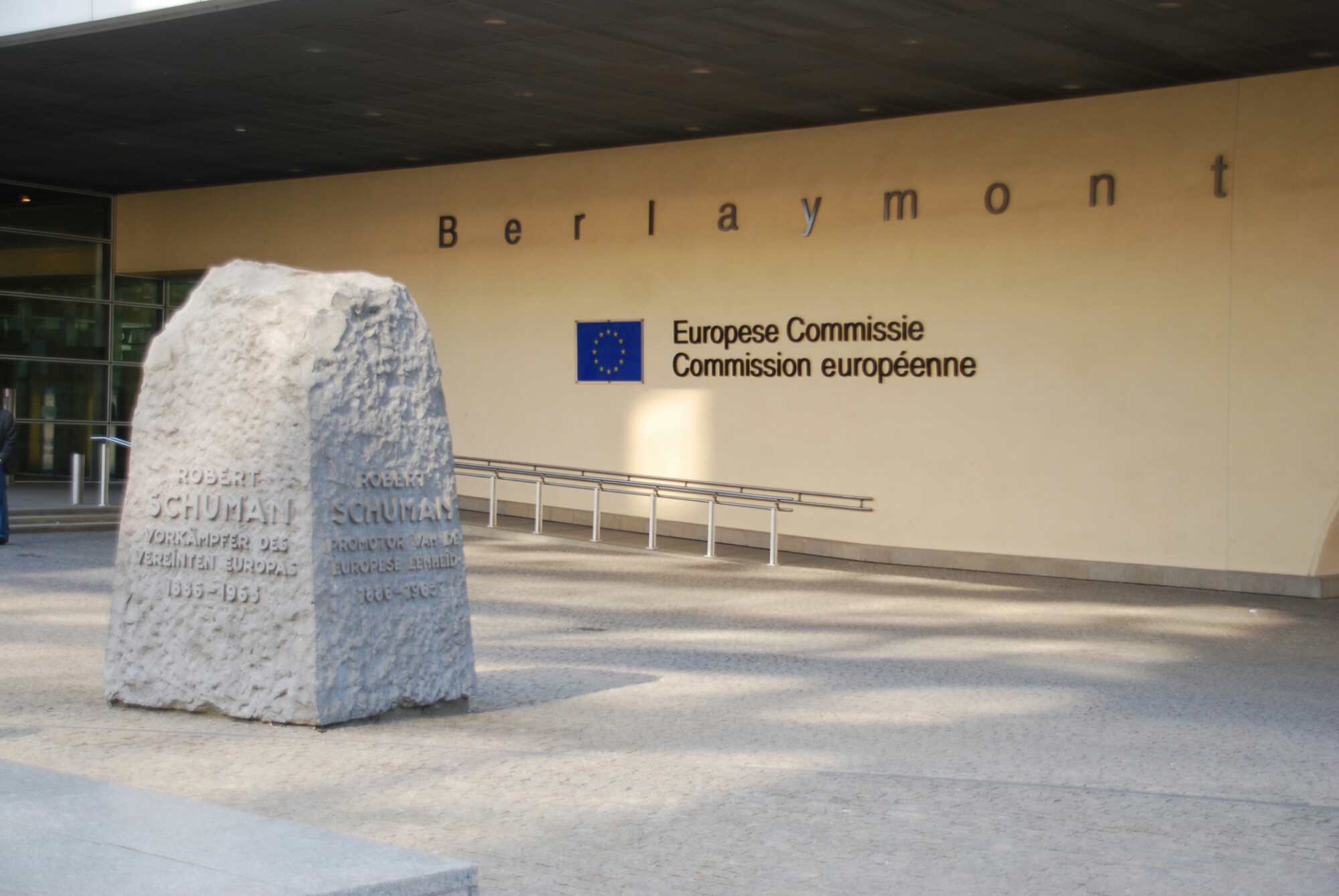
Without biotechnology there is no bioeconomy. And the bioeconomy is integral part of circular economy. This is the strong message that comes from EFIB, the European Forum on industrial biotechnology and the bioeconomy which was held in Brussels on October 27 to 29, organized by EuropaBio and Smithers Rapra.
Biobased Delta, BioEconomy, BioVale and Industries & Agro Ressources, the leading bioeconomy clusters in the Netherlands, the UK, Germany and France have joined forces as the 3BI intercluster – Brokering Bio-Biobased Innovation. Their goal is to support European companies to access important new bioeconomy markets successfully. The ceremony for a formal signing of an agreement between the 4 clusters took place today at the EFIB forum in Brussels.
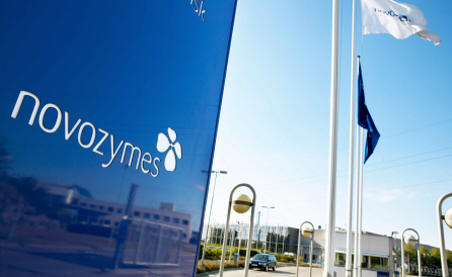
Novozymes today announced the launch of Avantec® Amp, an advanced enzyme product that improves yield and throughput in corn ethanol production, while increasing corn oil extraction and significantly reducing the need for several harsh chemicals used in ethanol production. By switching from standard enzyme technology to Avantec Amp, a typical ethanol plant with a capacity of 110 million gallons can make up to $2.5 million a year in additional net profits.
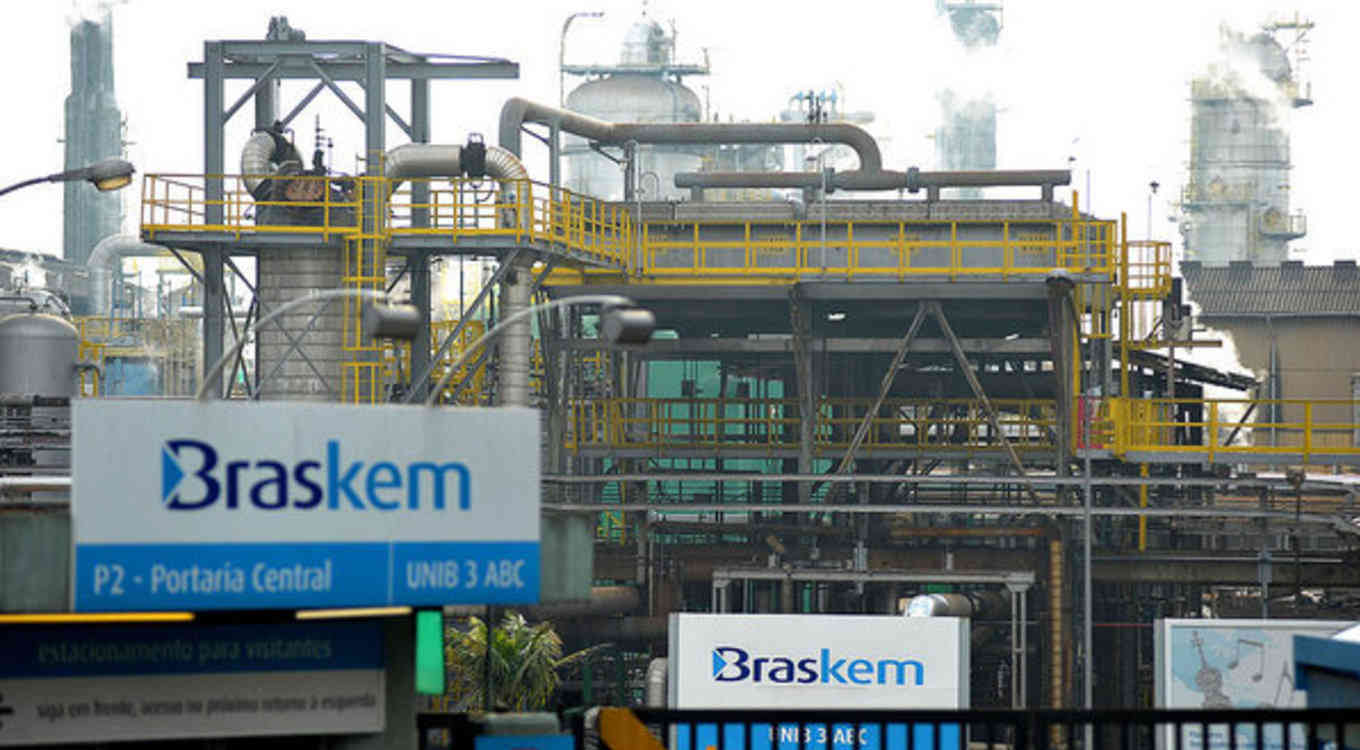
“We’re looking for a joint venture that will allow us to join forces to promote the business.” After days of rumors about the sale of its chemical division Versalis, yesterday the Ceo of Eni, Claudio Descalzi, gave this short answer to the reporters who urged him on the issue. It is at the same time a confirmation of the will of the Italian oil giant to back away from chemistry.
The advisor Barclays would then be at work not to look for buyers but partners and – if according to the agency Bloomberg would be affected several private equity firms – rumors in Italy say it has already started a negotiations with a private fund.
SG Preston, a Philadelphia-based bioenergy company, and IHI E&C, a Houston-based engineering, procurement and construction (EPC) subsidiary of IHI Corporation, announced a ground-breaking agreement for a Multi-Facility Program that will include the development and construction of a series of commercial volume, advanced biofuels manufacturing plants, initially in the U.S. Midwest and Canada.
A group of European partners launches InnProBio to help promote innovative bio-based products. InnProBio is a Forum for Bio-Based Innovation in Public Procurement and can now be found on the world-wide web at http://www.innprobio.eu.
DuPont Industrial Biosciences and Quad County Corn Processors (QCCP) announced a new multi-year contract to supply the enzymes that enable QCCP’s Cellerate™ process in the production of cellulosic biofuel from corn kernel fiber.
Avery Dennison, a global leader in labeling and packaging materials and solutions headquartered in California,
launches two bio-based polyethylene label films. These new products are the first self-adhesive PE filmic labels with a face stock that includes more than 80 percent renewable content and offer brand owners the opportunity to meet their target on renewable resources in packaging, while continuing to benefit from the functionality and performance of a regular polyethylene label.
James Cogan, European Technology, Industry and Policy Analyst
We receive and publish with pleasure this comment by James Cogan. He is a technology, industry and policy analyst collaborating with PNO Innovation in Brussels and with a number of public and private organisations with stakes in the future of biofuels and transport energy. In the run up to the climate emergency conference in Paris he has been considering the options open to the designers of the new European governance system for climate and energy and to the 28 teams charged with creating member state climate and energy plans for publication by 2018. We are glad to promote the debate.
“At a time when carbon emissions should be dropping by 40%-80% EU transport emissions will actually increase by that amount, becoming the number one EU contributor to catastrophic global warming.
Transport emissions can only be reduced in the 2030 timeframe by traffic efficiencies, biofuels and lower tailpipe emissions. To date the EU has not taken bold measures to pursue such avenues and any gains have been offset many times over by traffic growth. Electric vehicles comprise only a miniscule fraction of the EU vehicle fleet, sales are under 1% and even the most optimistic forecasts for sales growth would not lead to an impact until well after 2040.