
Held hostage by the political vacuum and by a man who for twenty years puts his personal interests before the collective interest of the country. This is the tragic marshy situation in which is Italy.
Held hostage by the political vacuum and by a man who for twenty years puts his personal interests before the collective interest of the country. This is the tragic marshy situation in which is Italy.
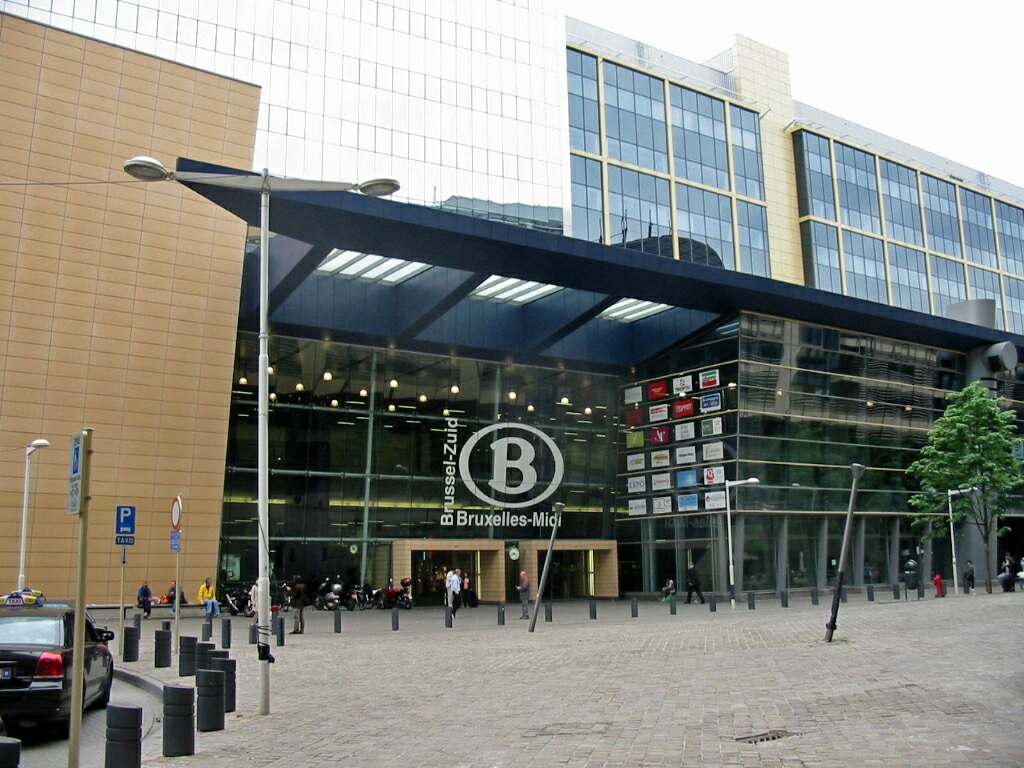
Everything is ready in Brussels to host EFIB, the European Forum for Industrial Biotechnology and Bio-based economy organized by EuropaBio, the European Association for Bioindustries, and Smithers Rapra which will take place from September 30 to October 2, during the European Biotech Week (from September 30 to October 4), when events across Europe will celebrate biotechnology, an innovative and vibrant sector launched by the 1953 discovery of the DNA molecule, sixty years ago.

Basf, the world’s biggest chemical maker based in Ludwigshafen (Germany), agreed to buy Verenium Corp., a leading industrial biotechnology company focused on the development and commercialization of high-performance enzymes, to pursue growth in biotechnology and close the gap on market leaders DuPont and Novozymes in the $3 billion industrial enzyme industry.

BioAmber Sarnia’s new bio-based succinic acid plant, the first and only commercial scale production plant of its kind in the world, will receive a $12 million investment from the Harper Government to support its construction in Sarnia.
The announcement was made by Patricia Davidson, Member of Parliament for Sarnia–Lambton, alongside the Honourable Gary Goodyear, Minister of State for the Federal Economic Development Agency for Southern Ontario (FedDev Ontario). The plant is expected to create 150 construction jobs and 60 permanent jobs once the plant is operational at the end of 2014.

Continue reading
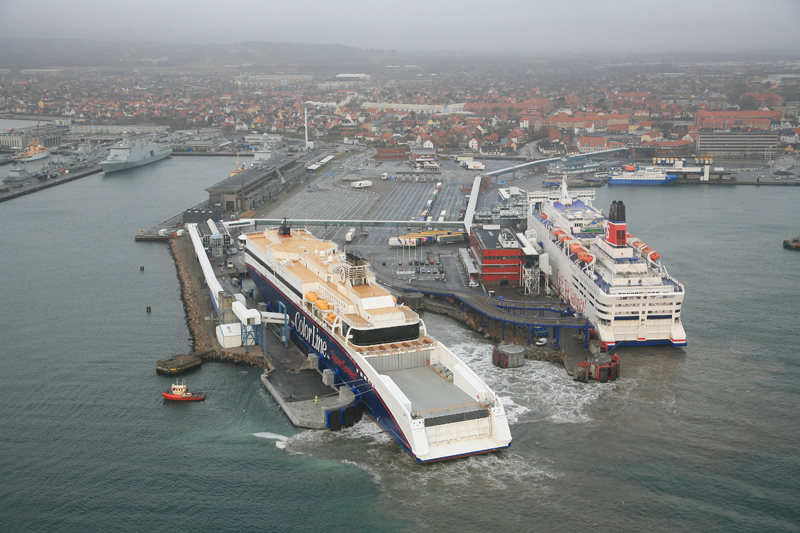
The Port of Frederikshavn, in Denmark, and Steeper Energy, a Danish specialist energy project and technology development company , along with Aalborg University has entered into a partnership to establish the world’s first biomass-based plant to produce a sustainable marine fuel. The plant will produce sulphur-free fully renewable fuel for the several thousand vessels passing through the port annually. A new zero-tolerance law on sulphur content as well as the general acceptance that every part of society must do its part for climate change are the keys for success, according to the consortium.

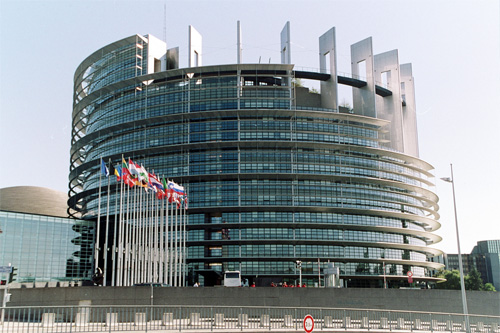
New proposals which aim to limit the percentage of biofuels that can be used in transport fuels continue to divide opinion among European policymakers and stakeholders.
The fuel quality directive and renewable energy directive proposal, adopted by parliament’s environment committee, include new rules that take into consideration the impacts of producing biofuel crops.

There is persistent concern that biofuels compete with food production, drive up food prices and price volatility and so cause hunger.
Many people, including very dignified authorities, accept this simple causality chain. The reality is far more complex.
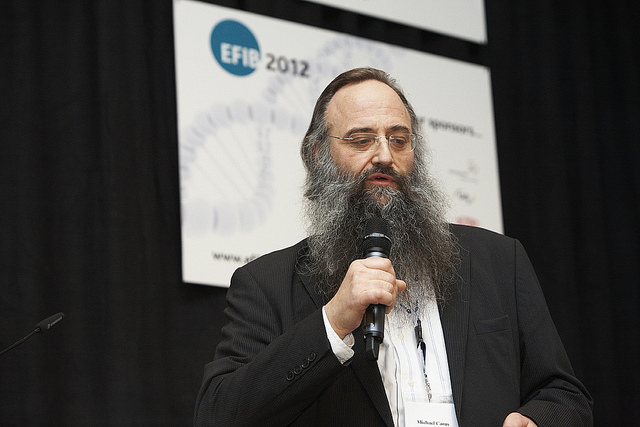
“A comprehensive analysis of hurdles carried out by nova-Institut shows that the RED (which will in future be associated with the FQD – Fuel Quality Directive 9870 – in the transport sector) is one of the main causes of the longstanding and systematic discrimination between material and energy uses. The RED hinders the development of material use and therefore that of the whole bio-based economy. Unfavorable framework conditions combined with high biomass prices and uncertain biomass supplies deter investors from putting money into bio-based chemistry and plastics – even though these would produce higher value and greater resource efficiency”. To say it is Michael Carus, physicist and managing director of the nova-Institut, the German private and independent Scientific Institute specialized in the bioeconomy, one of the most prestigious at the European level. In this interview with Il Bioeconomista, Carus uses the phrase “Misallocation of biomass” to define the effects of the RED (Renewable Energy Directive), since “this is blocking higher value material uses like chemicals and plastics from coming to fruition”. And explains his point of view on the first generation vs. second generation biofuels issue.
Interview by Mario Bonaccorso

