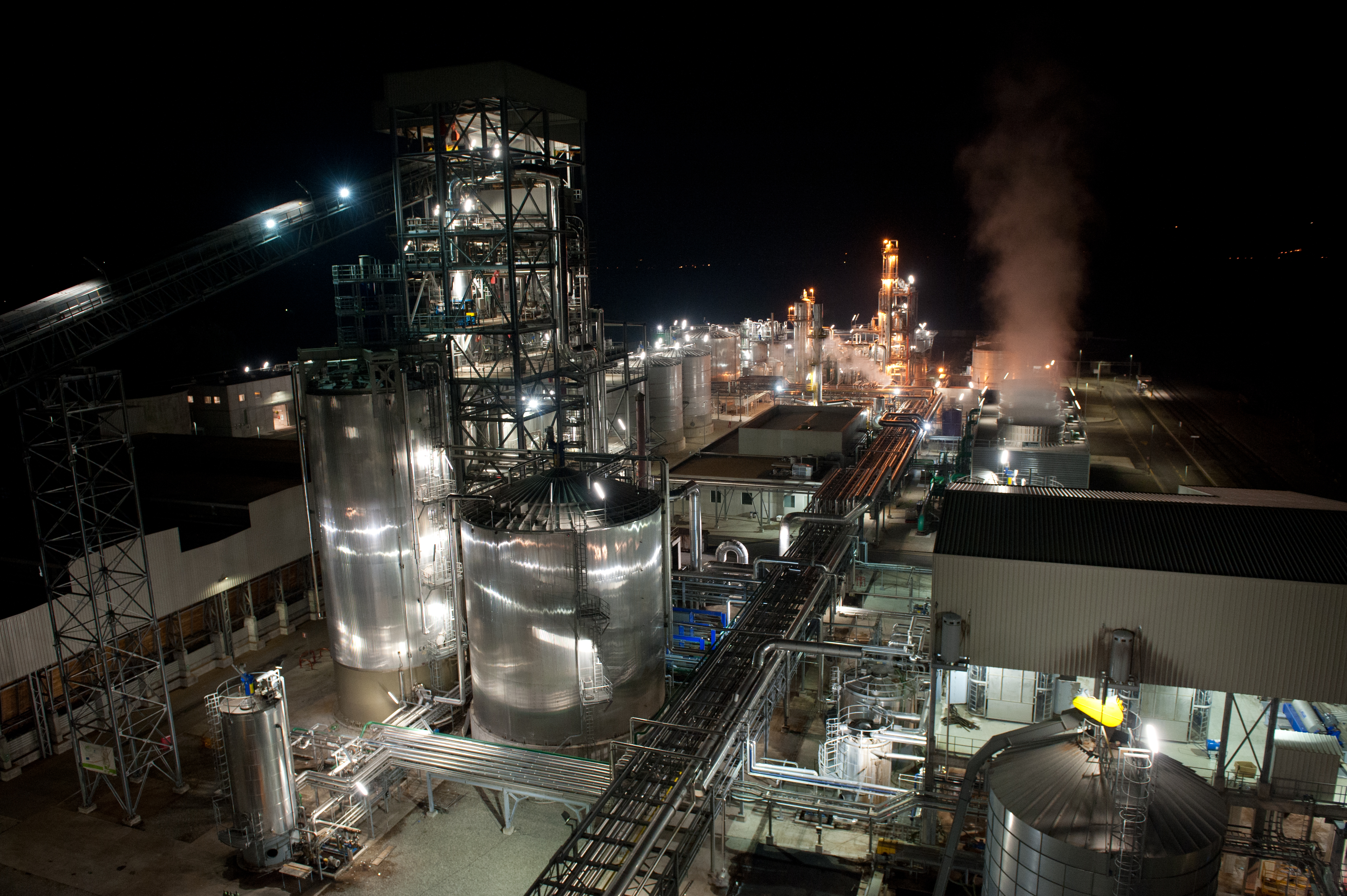
Novamont’s bio-based butanediol (BDO) plant, established as a joint venture (Mater Biotech) with San Diego-based Genomatica, will come on stream next year. To say it was yesterday Alberto Castellanza, sales manager of the Italian company, at K 2013, the Trade Fair for Plastic materials and rubber, in Düsseldorf (Germany).
A new portfolio of bio-based high-performance polyamides for use in smart mobile devices such as smart phones
Solvay Specialty Polymers has announced a major extension of its Kalix high-performance polyamide (HPPA) product line, launching a new portfolio of bio-based high-performance polyamides offered for use in smart mobile devices such as smart phones, tablets, laptops, and other smart mobile electronics. The introduction includes the Kalix HPPA 3000 series, the first bio-based amorphous polyphthalamides (PPAs), and the Kalix 2000 series, a family of bio-sourced semi-crystalline polyamide grades that provide outstanding impact performance. Solvay unveiled the new materials at K 2013 (Hall 6 Stand C61), the 19th International Trade Fair for Plastics and Rubber Worldwide, which runs October 16-23, in Düsseldorf, Germany.
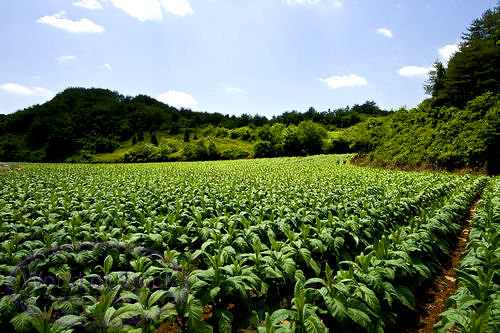
A Spanish researcher has demonstrated, for the first time, the viability of using specific tobacco proteins (known as thioredoxins) as biotechnological tools in plants.
In her PhD thesis Ruth Sanz-Barrio, an agricultural engineer of the NUP/UPNA-Public University of Navarre and researcher at the Institute of Biotechnology (mixed centre of the CSIC-Spanish National Research Council, Public University of Navarre and the Government of Navarre), has managed to increase the amount of starch produced in the tobacco leaves by 700% and fermentable sugars by 500%. “We believe that these genetically modified plants” – she explained – “could be a good alternative to food crops for producing biofuels, and could provide an outlet for the tobacco-producing areas in our country that see their future in jeopardy owing to the discontinuing of European grants for this crop.”
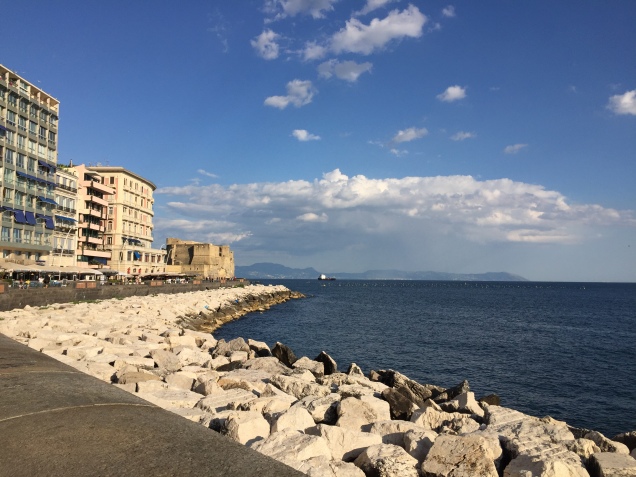
Naples will be the Euro-mediterranean capital of the bioeconomy for a couple of days. The Italian Forum on Industrial Biotechnology and Bioeconomy (IFIB) goes to the wonderful city of Southern Italy from 22 to 23 October 2013 at Castel dell’Ovo (Egg Castle), a seaside castle located on the former island of Megaride, now a peninsula, on the gulf of Naples .
With around 250 delegates in attendance from approximately twenty different countries from all around the world, the conference truly succeeds in its ambitious aim to transform from an Italian event to a Euro-mediterranean congress for the vibrant and dynamic sector of the bioeconomy.
Beta Renewables, a global leader in cellulosic biofuels and part of the Mossi & Ghisolfi Group, and Novozymes, the world’s largest producer of industrial enzymes, today marked the official opening in Crescentino (Northern Italy) of the world’s largest advanced biofuels facility. Situated in fields in the Piedmont region, it is the first plant in the world to be designed and built to produce bioethanol from agricultural residues and energy crops at commercial scale using enzymatic conversion.
L’America è a Crescentino. Parola di Guido Ghisolfi, intervenuto questa mattina all’inaugurazione in grande stile della bioraffineria per bioetanolo di seconda generazione Mossi & Ghisolfi, la prima al mondo di questo tipo. Presenti anche il ministro dello Sviluppo Economico Flavio Zanonato, il presidente della Regione Piemonte, Roberto Cota, e due ex ministri: Corrado Clini e Francesco Profumo.
UCLA chemical engineering researchers have created a new synthetic metabolic pathway for breaking down glucose that could lead to a 50 percent increase in the production of biofuels.
Si chiude l’edizione 2013 di Efib, il forum europeo sul biotech industriale e la bioeconomia che quest’anno ha avuto Bruxelles come citta’ ospitante. Si chiude con all’attivo un incremento delle presenze, ma soprattutto con un metasettore che chiede a gran voce una spinta sull’acceleratore della competitivita’ da parte dell’Unione europea.
There are not only Brazil and Argentina in the Latin-American bioeconomy. Uruguay has recently approved strong tax incentives for biotech companies. This new law is a milestone in the implementation of the national strategic plan for Uruguay’s fast growing biotech industry which has been officially declared strategic for the country’s future industrial development. Continue reading →


 Naples will be the Euro-mediterranean capital of the bioeconomy for a couple of days. The Italian Forum on Industrial Biotechnology and Bioeconomy (