“The recognition of our sector through the application of specific NACE codes is an important element as it would allow a better measurement in the statistical field and the possibility of addressing specific legislative measures, such as financing or the creation of specific EER codes”. To say this – in this exclusive interview with Il Bioeconomista – is Giulia Gregori, Strategic Planning and Corporate Communication manager at Novamont, the Italy-headquartered company which is leading the way in the world bioplastics sector.
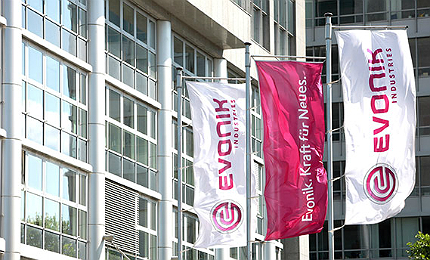
Evonik has launched a non-animal-derived squalene suitable for vaccines and other pharmaceutical applications. PhytoSquene® is the first known amaranth oil-derived squalene on the market for use in adjuvants in parenteral dosage forms. It meets the demand for a secure commercial supply of non-animal-derived squalene. Non-GMP samples of PhytoSquene® are available immediately with GMP quality to follow in 2023.
According to Reuters, the Biden administration could change the nation’s biofuel blending law next year to offer lucrative credits to electric vehicle manufacturers like Tesla, a major rewrite that the oil industry criticizes as subsidizing the EV industry. The Renewable Fuel Standard, enacted in the mid-2000s, mandates the amount of biofuels like landfill or agricultural methane that oil refiners must blend into the nation’s fuel mix, or buy tradable credits – known as RINs – from those that do.
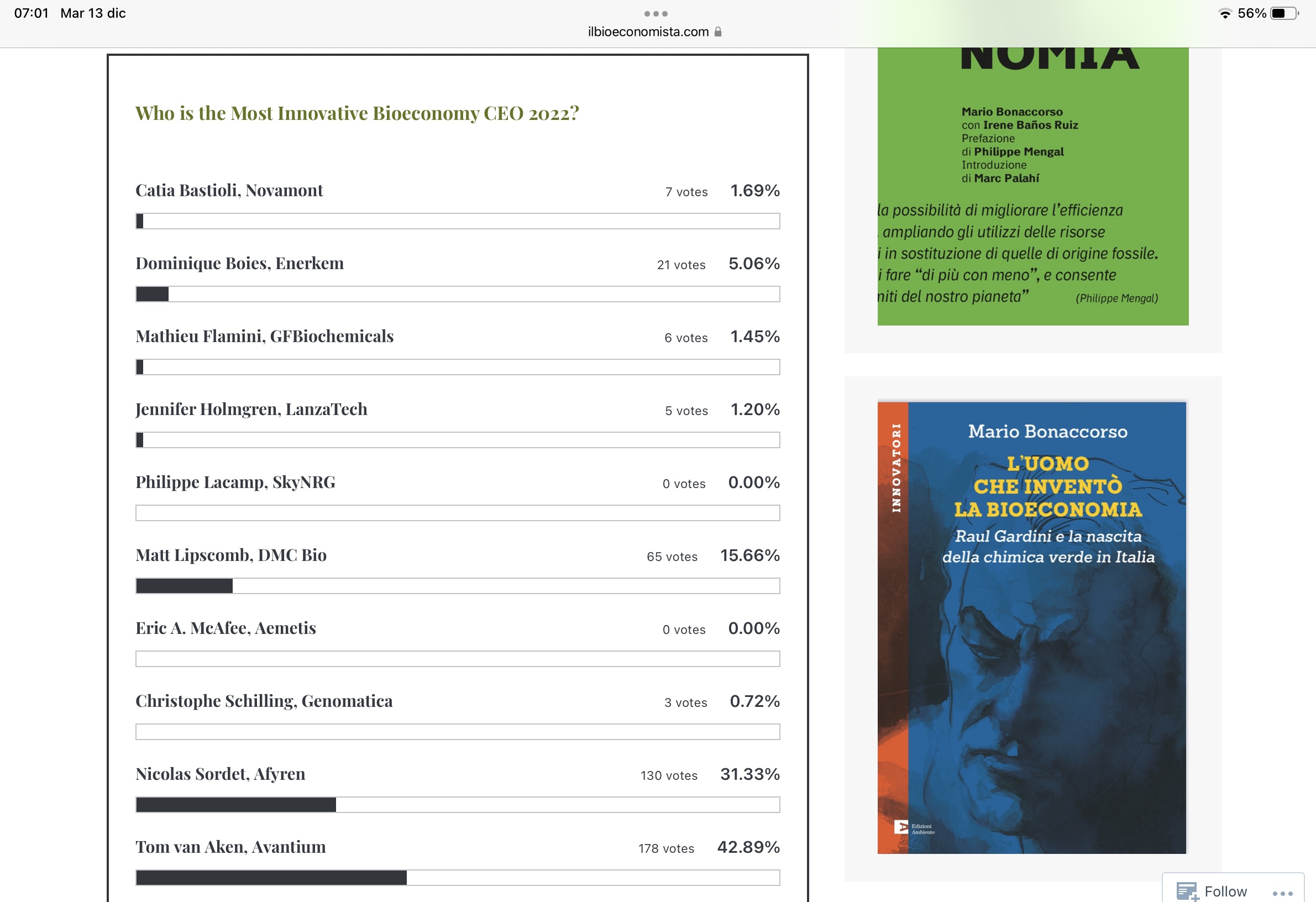
Our readers have voted. The most innovative bioeconomy CEO 2022 is Tom van Aken, CEO of Avantium, the Dutch company that is a pioneer in the emerging industry of renewable and sustainable chemistry. Avantium is headquartered in Amsterdam, employing approximately 200 people, with extensive R&D laboratories and three pilot plants in Geleen and Delfzijl, the Netherlands.
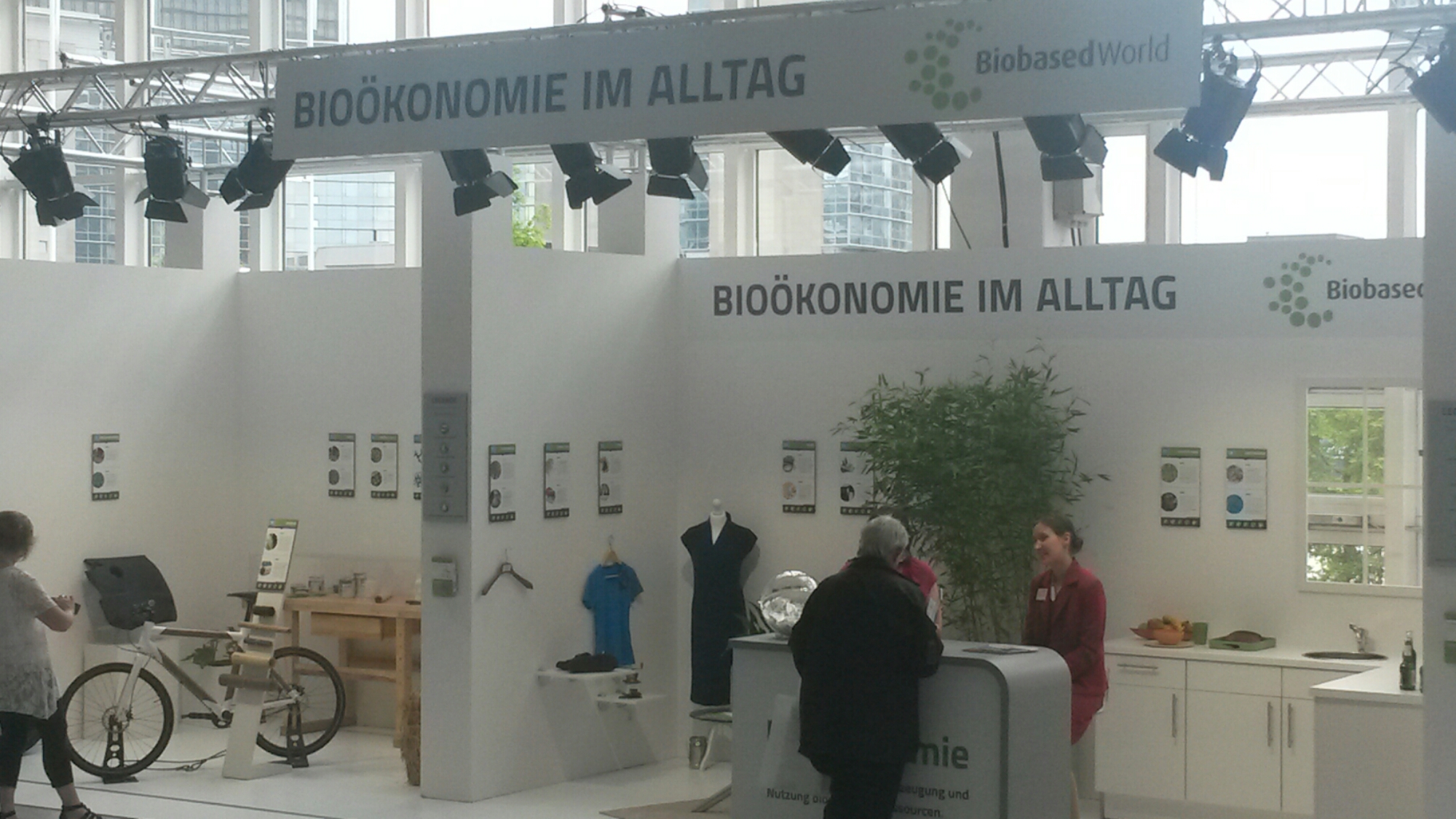
“Bioeconomy in everyday life” @ BioBased World 2015 in Frankfurt am Main
The circular bioeconomy is innovation, the result of the skills and passion of researchers and managers able to create value and new high-qualified jobs, reconciling economy, society and the environment. At the end of 2014 Il Bioeconomista launched a new initiative: The 10 Most Innovative Bioeconomy CEOs.
We have asked a panel of world bioeconomy experts to tell us the Chief Executive Officers that have stood out as the most innovative during the last year.
Now we ask you to choose the most innovative CEO responding to our survey (open till December 13 at 7 am, Western European Time).
The most innovative CEO 2016 was Ken Richards (CEO of Leaf Resources, Australia)
The most innovative CEO 2017 was Tony Duncan (CEO of Circa Group, Australia)
The most innovative CEO 2018 was Jürgen Eck (CEO of BRAIN AG, Germany)
The most innovative CEO 2019 was Alex Michine (CEO of MetGen, Finland)
The most innovative CEO 2020 was Simão Soares (CEO of SilicoLife, Portugal)
The most innovative CEO 2021 was Jennifer Holmgren (CEO of LanzaTech, USA)
This is the result of 2022 (in alphabetical order)
Stora Enso has received regulatory approval from the EU Commission to proceed with the acquisition of De Jong Packaging Group, announced in September 2022. Closure of the transaction is still ongoing and expected to be finalised at the beginning of 2023. The Nordic company acquires De Jong Packaging Group, based in the Netherlands, for an enterprise value of approximately EUR 1,020 million. This acquisition will advance Stora Enso’s strategic direction, accelerate revenue growth and build market share in renewable packaging in Europe. De Jong Packaging Group is one of the largest corrugated packaging producers in the Benelux countries. Its product portfolio and geographic presence will complement and enhance Stora Enso’s offering, especially in fresh produce, e-commerce and industrial packaging.
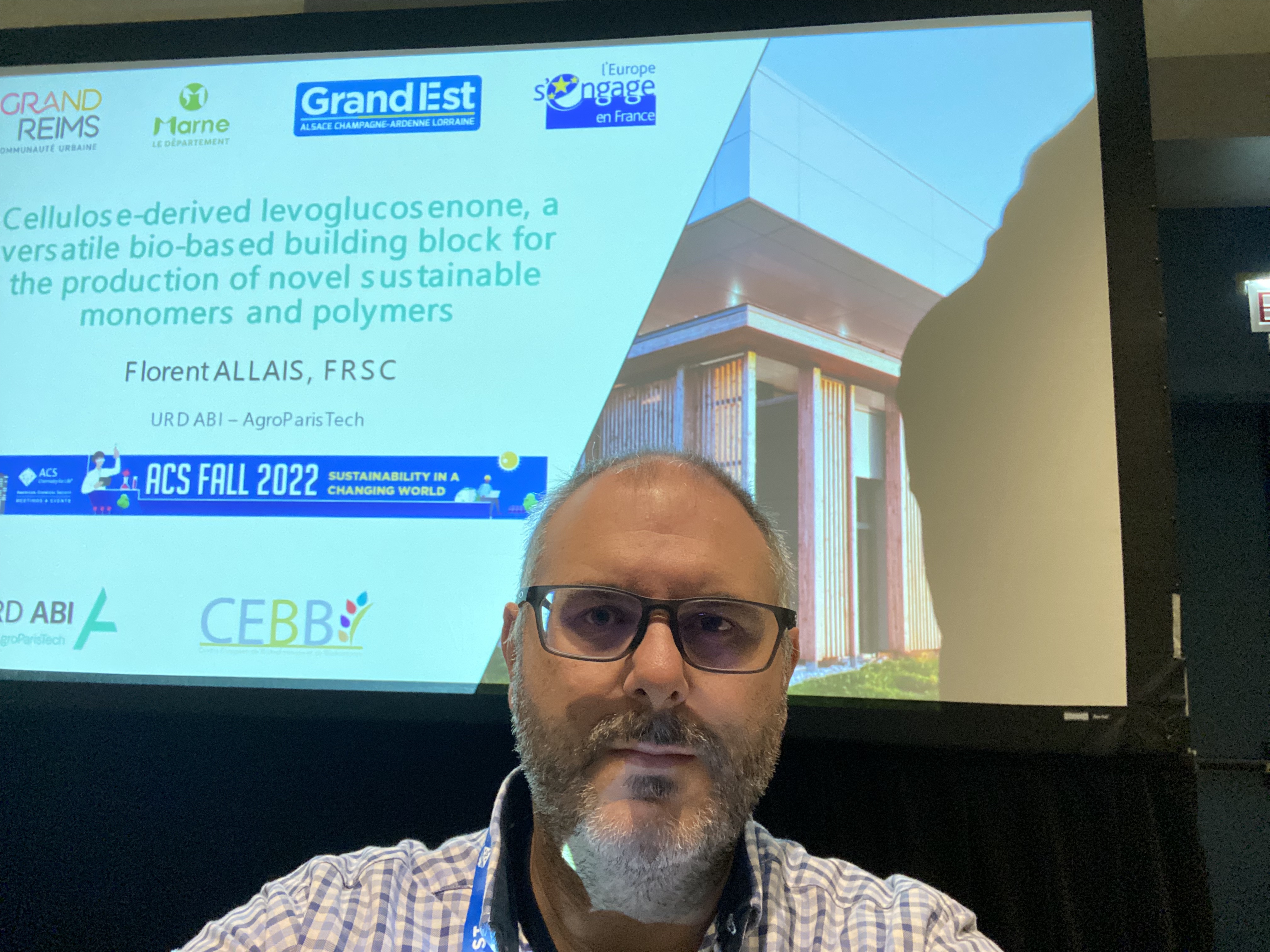
“France has been involved and promoted the bioeconomy for a long time, even before the word bioeconomy was used. The effort for supporting valorization of biomass for producing energy chemicals and materials started in the 90’s with a dedicated agency so-called AGRICE”. To say this – in this exclusive interview with Il Bioeconomista – is Florent Allais, President of the Centre Européen de Biotechnologie et de Bioéconomie based in Pomacle. With Prof. Allais we talk about the French and the European bioeconomy, the role of research and technology transfer and the importance of collaborations at European level.
Jennifer Holmgren, CEO LanzaTech, at IFIB 2019 in Naples
LanzaTech and Sumitomo Riko Company Limited entered into a joint-development agreement to reuse rubber, resin and urethane waste for the production of a key chemical intermediate, isoprene. Isoprene is produced by plants, and along with its polymers, is the main component of natural rubber. Natural rubber is widely regarded as more eco-friendly than synthetic rubber from virgin fossil inputs, but without strong sustainability certification and audits, the impact of harvesting natural rubber from trees has been linked in some cases to deforestation, biodiversity loss and soil erosion. In addition, much like other agriculturally based industries, climate change and disease can severely impact production.
German chemical giant Basf presented its current research projects and examples of innovation for various value chain steps. The event focused on technologies where microorganisms contribute to greater sustainability. Our researchers worldwide are working on innovative solutions to tap alternative raw material sources and to develop climate-friendly production processes and products, said Melanie Maas-Brunner, member of the Board of Executive Directors of Basf SE and Chief Technology Officer.
Headquarter of Royal DSM in Heerlen (The Netherlands)
Royal DSM, a global purpose-led science-based company, confirms that its target to cut scope 1 and 2 greenhouse gas (GHG) emissions has been determined to be in line with the latest climate science and in keeping global warming to no more than 1.5°C by the Science Based Targets initiative (SBTi).




 IL BIOECONOMISTA