Finnish new gasification method turns forest residues to biofuel with less than a euro per litre

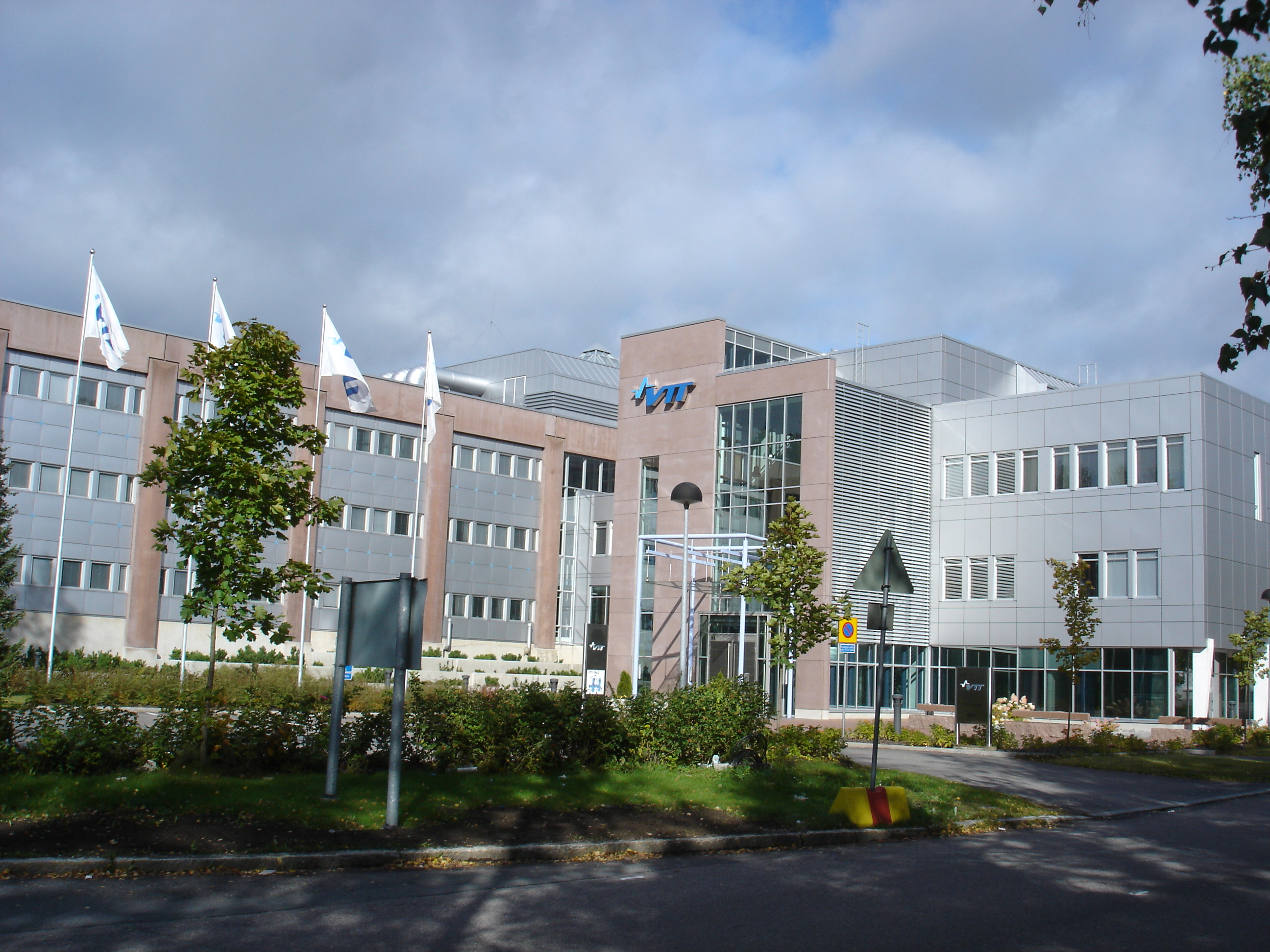
VTT Technical Research Center's headquarter in Tampere
VTT Technical Research Center’s headquarter in Tampere

VTT Technical Research Center of Finland – the biggest multitechnological applied research organisation in Northern Europe, that provides high-end technology solutions and innovation services – has assessed the techno-economics of the production of renewable liquid transportation fuels from forest residues. The case studies focused on the production of four biofuels using a method based on pressurised fluidised-bed gasification. The fuels studied were methanol, dimethyl ether (DME), Fischer-Tropsch liquids and synthetic gasoline.

Continue reading

Airbus, Air France, Safran and Total together to create a French biofuel industry

Total's headquarter in Paris
Total’s headquarter in Paris

At the Paris Air Show 2013, Airbus, Air France, Safran – a leading international high-technology group with three core businesses: aerospace, defence and security – and oil giant Total organized the “Joining our Energies – Biofuel Initiative France” flight to illustrate the French industry’s technical capacity to integrate aeronautical biofuels. The four players underline the need to improve research into the development of sustainable biofuels with a view to creating a French biofuel industry.

Today, the air transport sector generates around 2% of global man-made CO² emissions. Manufacturers are fully mobilized to reduce the impact of air transport by all possible means. As the aviation industry has no alternative to liquid fuels of fossil origin, the use of biofuels is essential for drastically reducing CO² emissions.

Continue reading

Bye Bye Europe. British Petroleum Invests in Advanced Biofuels in America

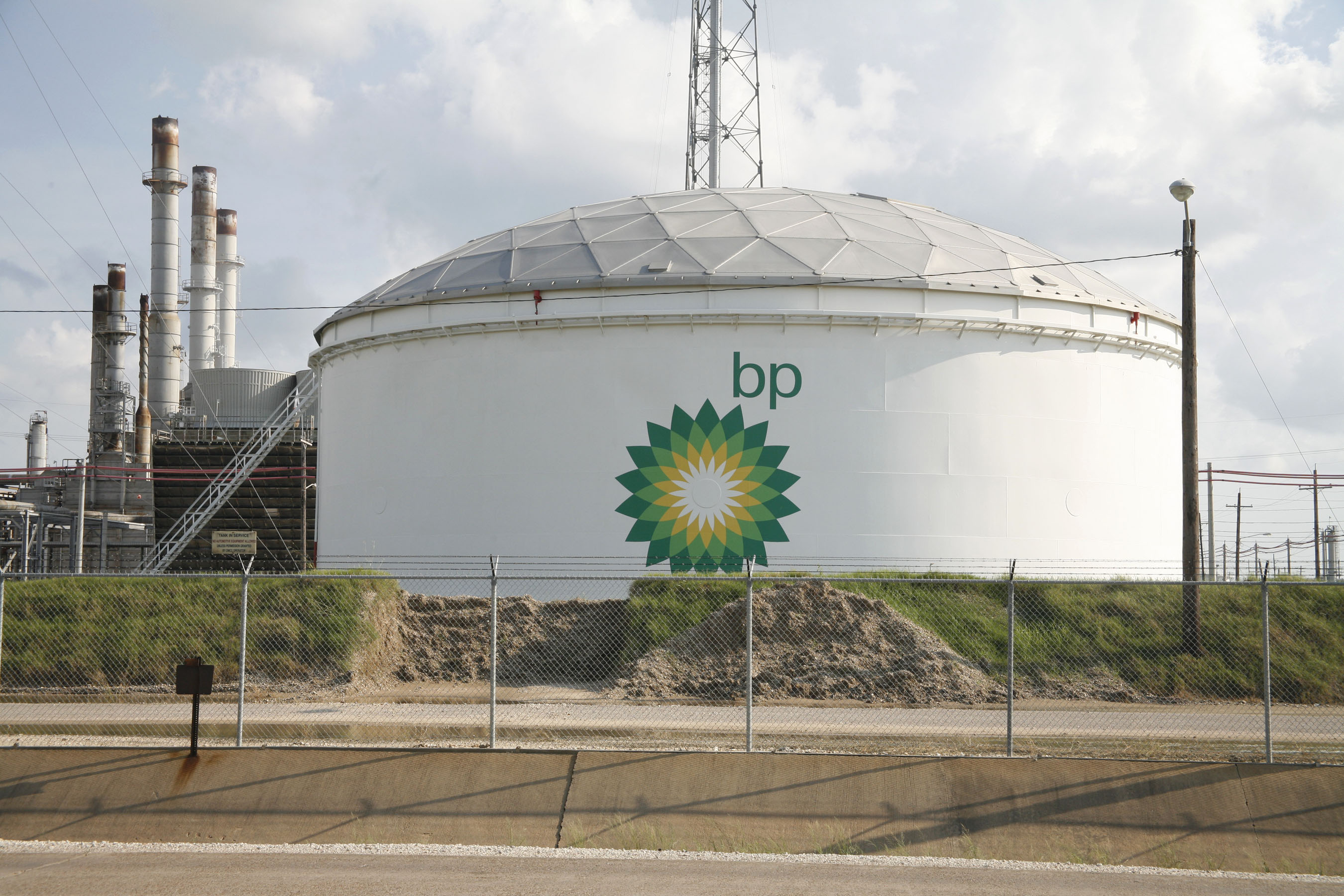
BP's Refinery
BP’s Refinery

Oil major BP is directing investment in advanced biofuels to the United States and South America due to uncertainty about the European Union’s future regulatory environment.

“At the moment we are not contemplating investing in second-generation cellulosic (ethanol) in Europe simply for the reason that there is not enough certainty on what the market conditions will be like,” Phil New, head of BP Biofuels, said in an interview with Reuters UK.

Continue reading

In Scotland Advanced Biofuels from the By-products of the Malt Whisky Industry

Lagavulin Distillery in Port Ellen (Scotland)

A Scottish energy start-up commercialises a process for producing a superior next generation biofuel (and other high value sustainable products) from the by-products of biological industries. The company – Celtic Renewables is its name – is initially focused on the £4 billion Scottish Malt Whisky industry as a ripe resource for developing bio-butanol – a next generation biofuel.  Biobutanol has 25% more energy per unit volume than bioethanol; it has a lower vapour pressure and higher flashpoint (making it easier to store and safer to handle); it can be blended without requiring modifications in blending facilities, storage tanks or retail station pumps; in sharp contrast to ethanol, it can run in unmodified engines at any blend with petrol and may also be blended with diesel and biodiesel; it is less corrosive than bioethanol and can be transported using existing infrastructures.  Biobutanol was legally recognised as a biofuel by incorporation in the 2009 amendment to the Road Transport Fuel Obligation (the UK implementation of the EU Renewable Energy Directive, which dictates that 5% of the UK’s transport fuel comes from a renewable source by 2013, and 10% by 2020).

Continue reading

California’s energy future is in the biofuels

Highway 1 in California

The California Council on Science and Technology has released the seventh and final report in its California’s Energy Future (CEF) project, “California’s Energy Future: The Potential for Biofuels”. The CEF project seeks ways the State could meet the mandated reductions of the state’s greenhouse gas (GHG) emissions to 80 percent below 1990 levels by 2050, exploring possible energy strategies for California through in-depth examinations of different technology scenarios. The focus of this report is an assessment of the potential for fuels produced from renewable biological resources to contribute to the energy needs of California, particularly for transportation.

Continue reading

In Vienna Molecular Switch for Cheaper Biofuel

Vienna University of Technology

At the Vienna University of Technology, genetic engineers have found a trick, thanks to which fungi can be used for the production of biofuels far more cost effectively than before.

Lignocellulosic waste such as sawdust or straw can be used to produce biofuel – but only if the long cellulose and xylan chains can be successfully broken down into smaller sugar molecules. To do this, fungi are used which, by means of a specific chemical signal, can be made to produce the necessary enzymes. Because this procedure is, however, very expensive, Vienna University of Technology has been investigating the molecular switch that regulates enzyme production in the fungus. As a result, it is now possible to manufacture genetically modified fungi that produce the necessary enzymes fully independently, thus making biofuel production significantly cheaper.

Continue reading

Fulcrum Bioenergy converts municipal solid waste into jet and diesel fuels

Sierra BioFuels Chemicals Fulcrum NevadaFulcrum BioEnergy, Inc. announced last Wednesday that it has successfully demonstrated the conversion of municipal  solid waste (“MSW”) – household garbage – into jet and diesel fuels. This demonstrated process adds fuel diversity to Fulcrum’s products and complements its previously demonstrated MSW to ethanol process. Fulcrum’s ability to produce drop-in fuels from MSW opens up an 80 billion gallon per year fuel market and expands its customer base for its national development program.

“Fuel diversity adds an integral component to our innovative business plan, creating a platform to offer customers the product they want, in the market they want. Our process is now capable of producing jet fuel, diesel and ethanol from residential garbage that would otherwise be landfilled,” said E. James Macias, Fulcrum’s President and Chief Executive Officer.

Continue reading

The viability of aviation biofuels: new results from Australia

Qantas AirlinesGround-breaking Australian research on the viability of aviation biofuels was released last Friday, at the culmination of almost three years of work by The University of Queensland, James Cook University, The Boeing Company, Virgin Australia, Mackay Sugar and IOR Energy.

The results of the unique study as part of the Queensland Sustainable Aviation Fuel Initiative have been published in the international journal Biofuels, Bioproducts and Biorefining and were presented at the Boeing-hosted Aero Environment Summit in Sydney.

Researchers at the Australian Institute for Bioengineering and Nanotechnology, based at The University of Queensland, looked at the engineering and associated financial viability of biofuel production.

Continue reading

Now is the time in Europe to bring advanced second-generation biofuels to the market

mazda_bp_biobutanol.jpgThe Leaders of Sustainable Biofuels (LSB), a group composed by the Chief Executive Officers of seven Leading European biofuel producers and European airlines, met the European Parliament (EP) in Brussels last week. The meeting was hosted by the ITRE (Industry, Research and Energy) Committee, chaired by Mrs Amalia Sartori, to discuss the positions of the EP ITRE Committee on the European Commission revision of the Renewable Energy Directive – RED. The positions expressed by Mr Alejo Vidal Quadras, the Rapporteur of the ITRE Committee, and reported in his draft ITRE Draft Opinion, were supported by the Leaders of Sustainable Biofuels.

The Leaders, whose chairman is Guido Ghisolfi, President of Mossi & Ghisolfi Group, headquartered in Tortona (Piedmont, Italy), sent a clear message to the Parliament members: “Second Generation Advanced Biofuel technologies are ready to compete with conventional biofuels, with companies keen to invest in commercial projects given appropriate conditions”.

Continue reading

The Bioeconomy Leadership Award to DuPont

dupont-industrial-bioscience.jpgThe Symposium on Biotechnology for Fuels and Chemicals (SBFC) has awarded DuPont with its 2013 Bioeconomy Leadership Award. 2013 marks the first year of this award, aimed at honoring an organization for demonstrated and sustained leadership excellence in advancing the development of the biobased economy. DuPont was recognized for its pioneering work in two strategic areas: renewably sourced materials and fuels.

The annual SBFC conference brought together from 29 April to 2 May in Portland (Oregon, Usa) industrial, academic and government experts to discuss the latest progress and breakthroughs in the research, development and deployment of biobased fuels and materials.

Continue reading