
The French energy ministry issued a decree on Dec. 31 that raised the maximum level of biofuels in diesel sold at services stations in France to 8 percent by volume, higher than the EU-agreed limit of 7 percent.
The French energy ministry issued a decree on Dec. 31 that raised the maximum level of biofuels in diesel sold at services stations in France to 8 percent by volume, higher than the EU-agreed limit of 7 percent.

“At the regulatory level, US and EU are focused primarily on biofuels and neither has created significant incentives for bio-based chemicals that play an equally important role in the bioeconomy. The US has made tremendous investments in biofuel technology development, in pilot and demonstration biofuel facilities, and in feedstock production, logistics and infrastructure. The EU appears to be investing more in the development of Bioproducts than the US at the moment.” To say it, in this exclusive interview with Il Bioeconomista, is Jennifer Holmgren, Chief Executive Officer of Lanzatech, the company, set up in 2005 in New Zealand and based now also in the US, which is revolutionizing the way the world thinks about waste carbon by treating it as an opportunity instead of a liability. LanzaTech’s novel gas-to-liquid technology has opened up vast new sources for making low-carbon chemicals and fuels that displace petroleum without the environmental concerns associated with crop- and land-based bioproducts. This flexible technology has the potential to disrupt the current highly centralized petroleum-based energy system by enabling regional production of low-cost, energy from local wastes and residues.
Interview by Mario Bonaccorso

UPM and WWF Finland have engaged in a dialogue on the status of wood-based liquid biofuels in Finland and present a list of joint measures to be carried out to promote sustainability.

“Biofuels are expected to play a major role in road transport but the regulatory environment remains uncertain. Legislation is required for the EU to grow in locally produced sustainable biofuels. Therefore the rules need to extend beyond 2020. The long lasting policy processes are now creating uncertainty. Industry and investors need a stable, long term regulatory framework for biofuels”. To say this was Marko Janhunen, Vice President of Stakeholder Relations, UPM Biorefining, last Thursday in Brussels in the framework of CEPI European Paperweek, where the Finnish company presented its Biofore Concept Car, an example of how new biomaterials can be applied in the automotive industry.

SkyNRG Nordic, the partnership between SkyNRG and Statoil Fuel & Retail Aviation, announced the supply of the first commercial quantities of sustainable bio jet fuel to Avinor’s airport Gardermoen (Oslo) in 2015. Lufthansa has signed up for 5% sustainable bio jet fuel on more than 5000 flights annually. KLM Royal Dutch Airlines and SAS are also participating in the initiative.

Boeing and Commercial Aircraft Corp. of China (COMAC) opened a demonstration facility that will turn waste cooking oil, commonly referred to as “gutter oil” in China, into sustainable aviation biofuel. The two companies estimate that 500 million gallons (1.8 billion liters) of biofuel could be made annually in China from used cooking oil.

US Department of Energy earmarks $25 million for biofuel research. The goal, according to the Department of Energy, is to reduce the cost of algal biofuels to less than $5 per gasoline gallon equivalent (gge) by 2019. What’s more, this funding supports the development of a bioeconomy that can help create green jobs, spur innovation, improve the environment, and achieve national energy security.

Cathay Pacific Airways announced a strategic investment in Fulcrum BioEnergy, and negotiated a long-term supply agreement with Fulcrum for an initial 375 million US gallons of sustainable aviation fuel over 10 years (representing on an annual basis approximately 2% of the airline’s current fuel consumption) that meets all the airline’s technical requirements and specifications.
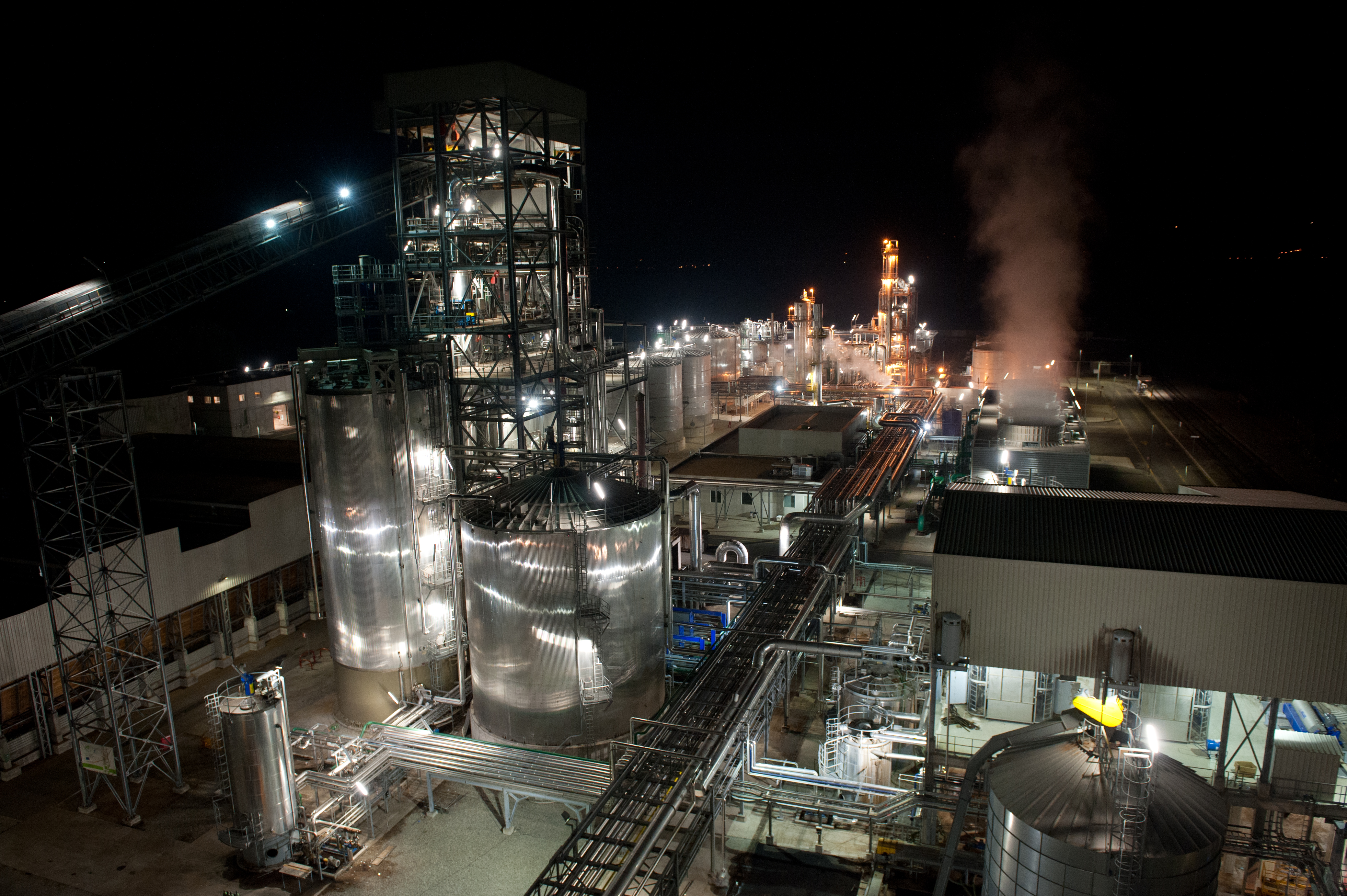
EU energy ministers agreed a deal on Friday to limit production of biofuels made from food crops, responding to criticism these stoke inflation and do more environmental harm than good. The ministers’ endorsement of a new compromise overcomes a stalemate hit late last year when European Union governments failed to agree on a proposed 5 percent cap on the use of biofuels based on crops such as maize or rapeseed.

nova-paper #4 “Proposals for a Reform of the Renewable Energy Directive to a Renewable Energy and Materials Directive (REMD)” presents a reform proposal that aims at creating a level playing field for bio-based chemicals and materials with bioenergy and biofuels in Europe. It is fundamentally different from other reforms of the Directive being currently discussed because it opens the perspective to not only look at energy, but also at bio-based materials.
 IL BIOECONOMISTA