
The Biotechnology Innovation Organization (BIO) urges U.S. Congress to advance a multi-year extension of renewable energy tax credits slated to expire at the end of 2016.
The Biotechnology Innovation Organization (BIO) urges U.S. Congress to advance a multi-year extension of renewable energy tax credits slated to expire at the end of 2016.

Comet Biorefining, a leading provider of sustainable and cost-competitive cellulosic dextrose technology for applications in renewable biochemicals and biofuels, has announced the location of its commercial-scale biomass-derived sugar facility in the TransAlta Energy Park in Sarnia, Ontario. The 60 million pounds per year plant will come online in 2018, producing dextrose sugar from locally-sourced corn stover and wheat straw. Corn stover consists of residues left in the field after harvest including stalks, leaves, husks and cobs.
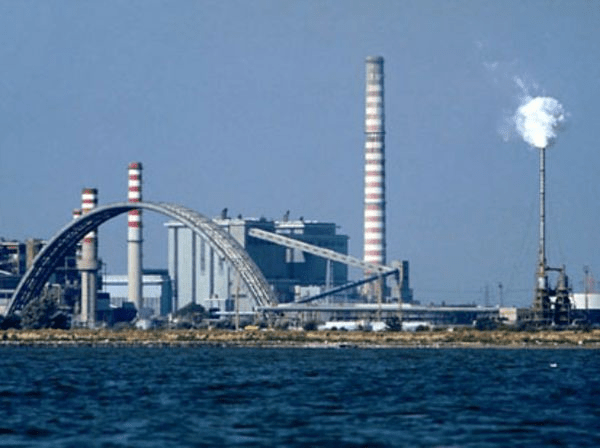
It is not a good time to Versalis. But, despite the uncertainty about its future, the chemical company of Italian oil giant Eni continues to focus on green chemistry together with Elevance Renewable Sciences. The high-growth company (headquartered in Woodridge, Illinois), that creates novel specialty chemicals from natural oils, has recently and successfully completed scale-up of a second-generation biorefinery technology of the company’s olefin metathesis technology, utilizing ethylene and natural oil feedstocks.

Novozymes announced a deal to supply enzyme technology to a new biorefinery that will be built by St1 Biofuels in Kajaani, Finland. The facility will be co-located at a sawmill site, and will be the first facility in the world to use sawdust (sawdust or wood dust is a by-product of the forestry industry and is composed of fine particles of wood) from softwood as feedstock to produce cellulosic ethanol at commercial scale. The process uses steam-explosion to open up the cellulosic structures of the sawdust, followed by enzymatic hydrolysis to extract the sugars for ethanol fermentation.

The Finnish Ministry of Employment and the Economy is implementing the Government’s bioeconomy, cleantech, and digitalisation strategy for accelerating new areas for growth. In June 2014 an international competition was launched as part of the bioeconomy strategy to expedite the commercialisation of bioeconomy innovations and the emergence of new biorefineries in Finland.
Spinnova Ltd. has won the international biorefinery competition with its new textile fibre production technology. Two other proposals to receive awards in the competition are Biovakka Suomi’s concept for combining the production of biogas, nutrients, and transport fuel, and a proposal by the that incorporates novel Finnish technology for the production of new biomaterials and biochemicals.
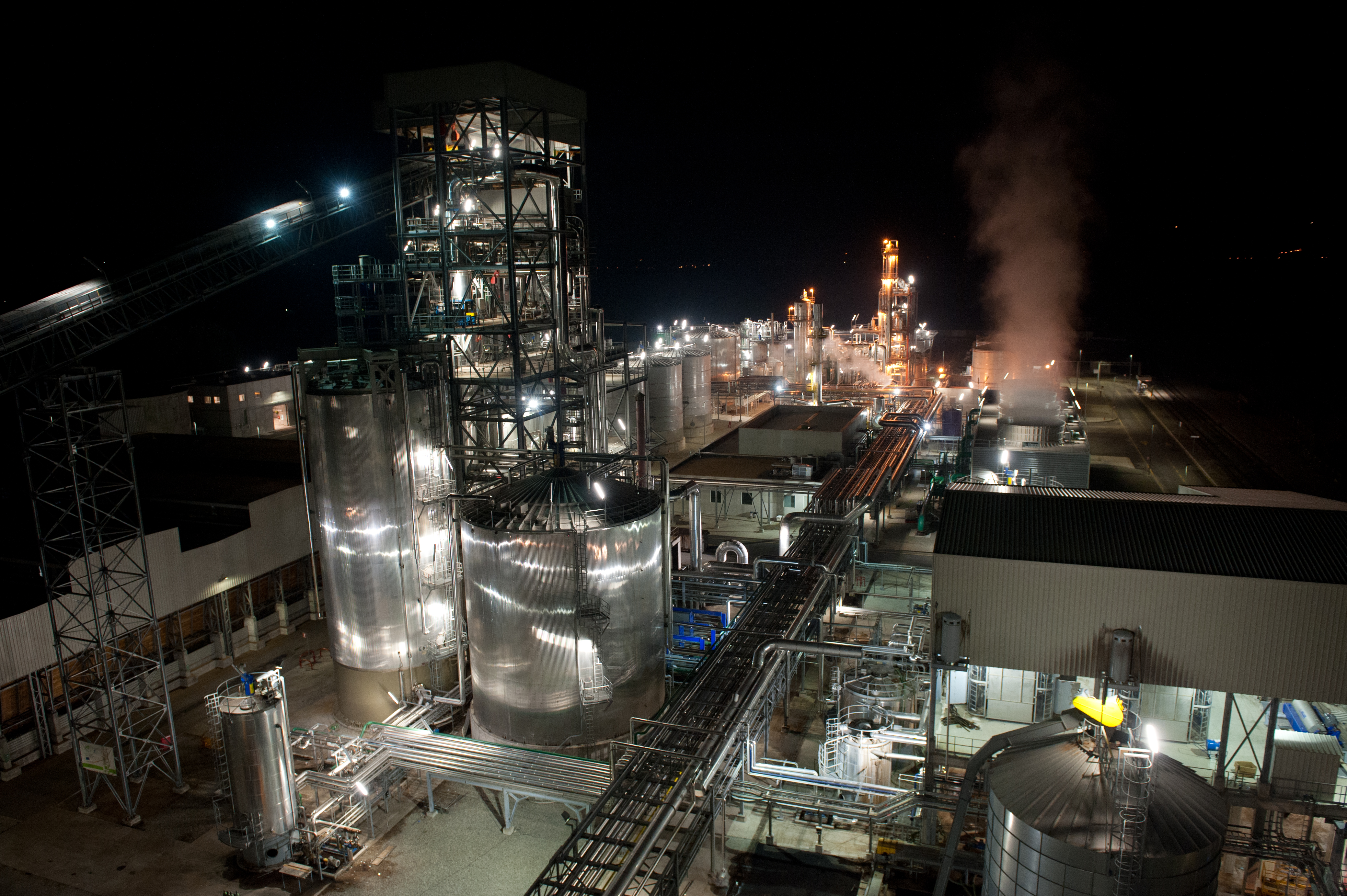
In addition to Italy, Brazil, Malaysia and China, also Slovak Republic will have a biorefinery to produce second-generation bioethanol, which will use Proesa technology developed by the Mossi Ghisolfi Group. Biochemtex and Beta Renewables signed a definitive agreement with Energochemica SE – a Slovakian chemical and power industry holding company – for the construction of a 2nd Generation Ethanol plant and the annexed Energy Block for the generation of power and steam.

The next economic development of Malaysia will be biobased. Brooke Renewables and Hock Lee Group – which has experience in manufacturing of industrial glue and plywood and has investment in oil palm plantation – have presented a Letter of Intent (LOI) to the state government, marking their intention to invest in the 2G (second generation) bioethanol and biochemical plant as the first phase of the Sarawak Biomass Hub project.

An exceptional week dedicated to the biorefinery will take place from September 30 to October 3 in Reims, France. The European Institute of biorefinery located near the capital of Champagne-Ardenne is one of the most important biorefineries in the world. Three million tons of biomass (sugar beet, wheat, alfalfa) are transformed each year to give sugar, glucose, starch, food or pharmaceutical alcohol, ethanol fuel, cosmetic actives.

M&G Chemicals announced that has entered into a Sino-foreign joint venture with Anhui Guozhen CO, Ltd. The new company – Anhui M&G Guozhen Green Refinery CO, Ltd – will employ Proesa technology licensed by Beta Renewables to convert 970,000-1,300,000 metric tons per year of agricultural residues into cellulosic ethanol, glycols and by-products such as lignin in Fuyang City (Anhui Province, PRC).

The US biotech company Amyris aims at becoming a great player in the world bioeconomy. Founded in 2003 in the San Francisco Bay Area by a group of scientists at the University of California, Berkeley, Amyris – as anticipated during its prior quarter results call – has begun the production of its first fragrance oil at a specialty contract manufacturing facility. In 2014, building on the successful results of its initial fragrance oil production and based on feedback from its partner, Amyris plans to also produce this fragrance oil at its own Brotas production facility. The Brotas biorefinery currently produces Biofene, Amyris’s brand of farnesene, a renewable hydrocarbon used for a range of applications. Following planned improvements to the Brotas plant in early 2014, Amyris expects to be able to produce both Biofene and a range of other fermentation products, including its fragrance oils, at the plant.
This announcement follows the one of last December, when Amyris announced together with the French oil giant Total the formation of Total Amyris Biosolutions, a 50-50 joint venture that will produce market renewable diesel and jet fuel.
 IL BIOECONOMISTA