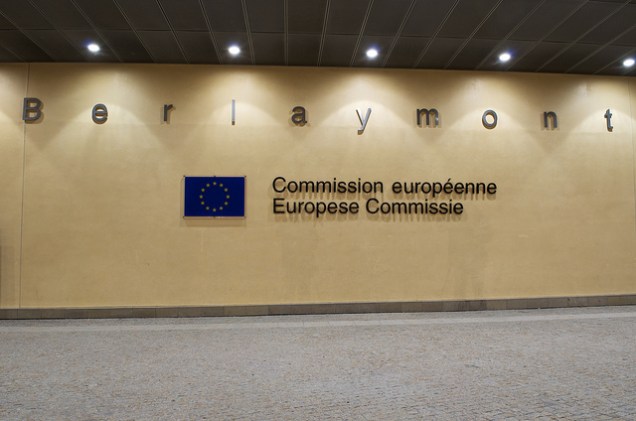
Berlaymont, European Commission’s Headquarter in Brussels
The European Commission launched two public consultations on the future Biotech Act and Circular Economy Act, which are expected to be adopted in 2026. The aim is to gather input from citizens, organizations, and interested groups, promoting a participatory process in defining these strategic initiatives for the European Union.
All the EU bioeconomy stakeholders will gather in Copenhagen in December. As Denmark assumes the Presidency of the Council of the European Union in the second half of 2025, the University of Copenhagen and the Danish Ministry for Green Transition, on behalf of the European Commission, will host two conferences focused on advancing the EU’s green transition through bioeconomy, food systems, and biodiversity. The conferences will take place on the 2 and 3 December 2025.
Berlaymont, European Commission’s Headquarter in Brussels
The European Commission has launched a comprehensive EU Startup and Scaleup Strategy, aiming to make the EU the world’s top destination for technology-driven innovative companies. One of the key components of this strategy is the expansion of the European Innovation Council (EIC), which plays a vital role in fostering innovation and entrepreneurship across Europe.
A Festival that aims to engage youth as drivers of the transformative change required in view of the multiple challenges that Europe faces today, and to unlock the potential of the bioeconomy to make the transformation happen. This is the ‘Bioeconomy Changemakers Festival’ organised by the European Commission (DG Research and Innovation) in cooperation with the Bioeconomy Youth Ambassadors, and accompanied by independent satellite events all over Europe on March 13 and 14
In addition, the Festival helped the European Commission to gather views on an update of the Bioeconomy Strategy and Action Plan.
It took place between 11 and 17 of March 2024 in various locations across the EU, and comprised of:
a high-level event, organised by the European Commission, in Brussels, on 13-14/03/2024.
more than 30 satellite events, organised by third party organisations all over Europe, to enable youth to take part in the festival.
The target audience of the high-level event of 13-14 March 2024 consists of bioeconomy stakeholders, regional, national and international policy makers and youth interested in the bioeconomy.
The satellite events, organised in 18 countries, are offering space for discussions, networking, and information on career opportunities.
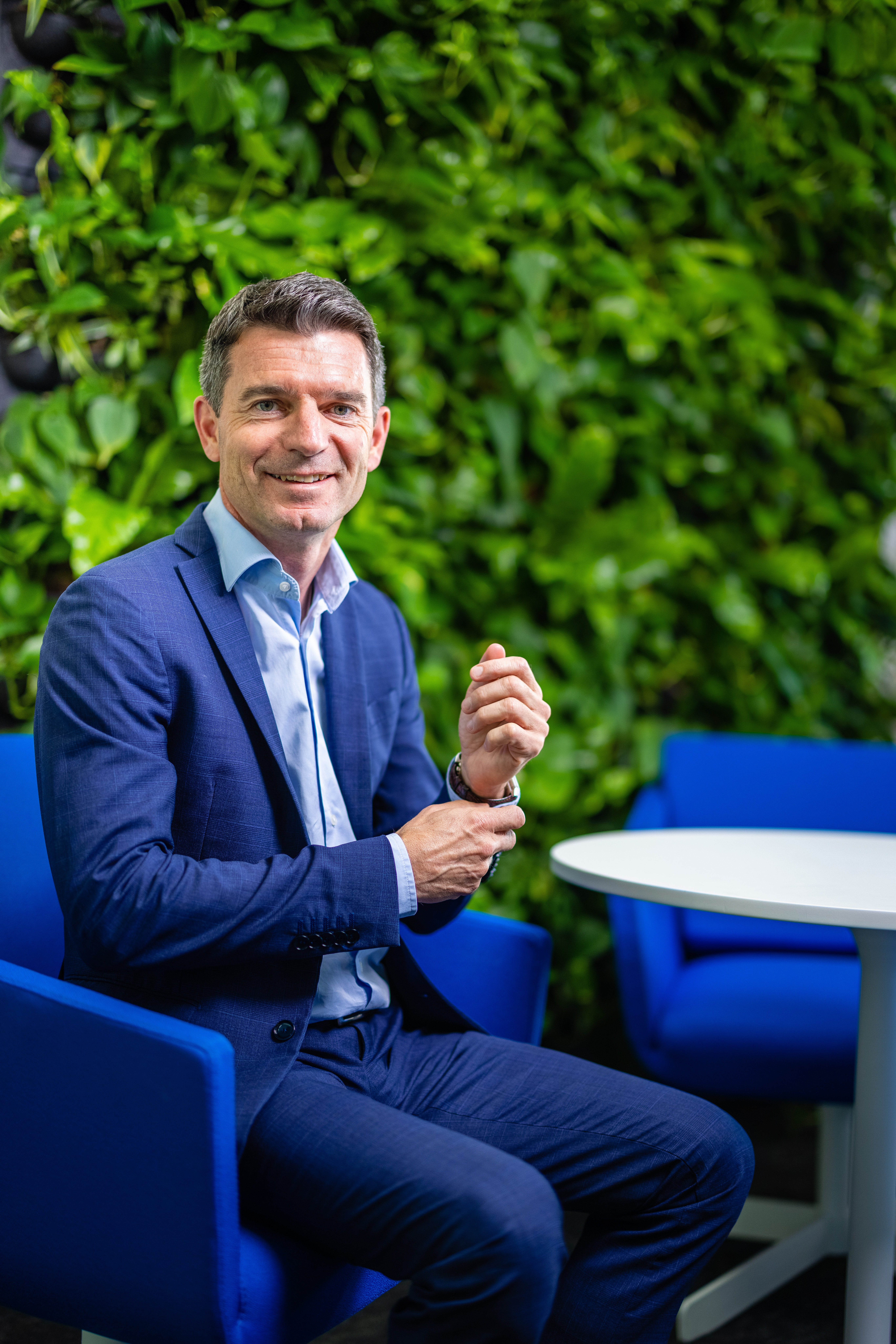
Thomas Philipon is the CEO of TotalEnergies Corbion, a global leader in the marketing, sales and production of PLA (Poly Lactic Acid). He is also the Most Innovative Bioeconomy CEO 2023 according to the readers of Il Bioeconomista. In this exclusive interview with us, Philipon talks about the meaning of innovation in the bioeconomy, the role played by TotalEnergies Corbion and above all the European legislative framework to support the ecological transition, in comparison with USA and China. “Europe – he states – is leading in the bioeconomy, but needs to support sectors like bioplastics, otherwise the risk is that we develop the know-how, but other areas of the world (USA and China), will scale up the production of these products”.
Last Friday European Commission gave the green light to Novamont’s purchase by Versalis. In April the Eni’s chemical company and a shareholder of Novamont (36%) and Mater-Bi – a company controlled by Investitori Associati II and NB Renaissance – signed an agreement for Versalis to acquire the remaining 64% of Novamont’s shares currently held by Mater-Bi. Novamont is a leading international company in the field of chemistry from renewable sources.
In 13 September’s State of the Union address, President of the European Commission Ursula von der Leyen highlighted competitiveness, industrial modernisation, and nature preservation, among other European Commission achievements over the past year. CBE JU – the public-private partnership focus on bioeconomy claims – has contributed to these accomplishments by stimulating Europe’s industrial leadership, boosting innovative technological development and decarbonising the economy, among others. Last Thursday, CBE JU published a new set of infographics showing the joint undertaking’s support for the circular bio-based economy in each European country.
Berlaymont, European Commission’s Headquarter in Brussels
The Commission presented last week a package of European Green Deal proposals to make sustainable products the norm in the EU, boost circular business models and empower consumers for the green transition. As announced in the Circular Economy Action Plan, the Commission is proposing new rules to make almost all physical goods on the EU market more friendly to the environment, circular, and energy efficient throughout their whole lifecycle from the design phase through to daily use, repurposing and end-of-life.
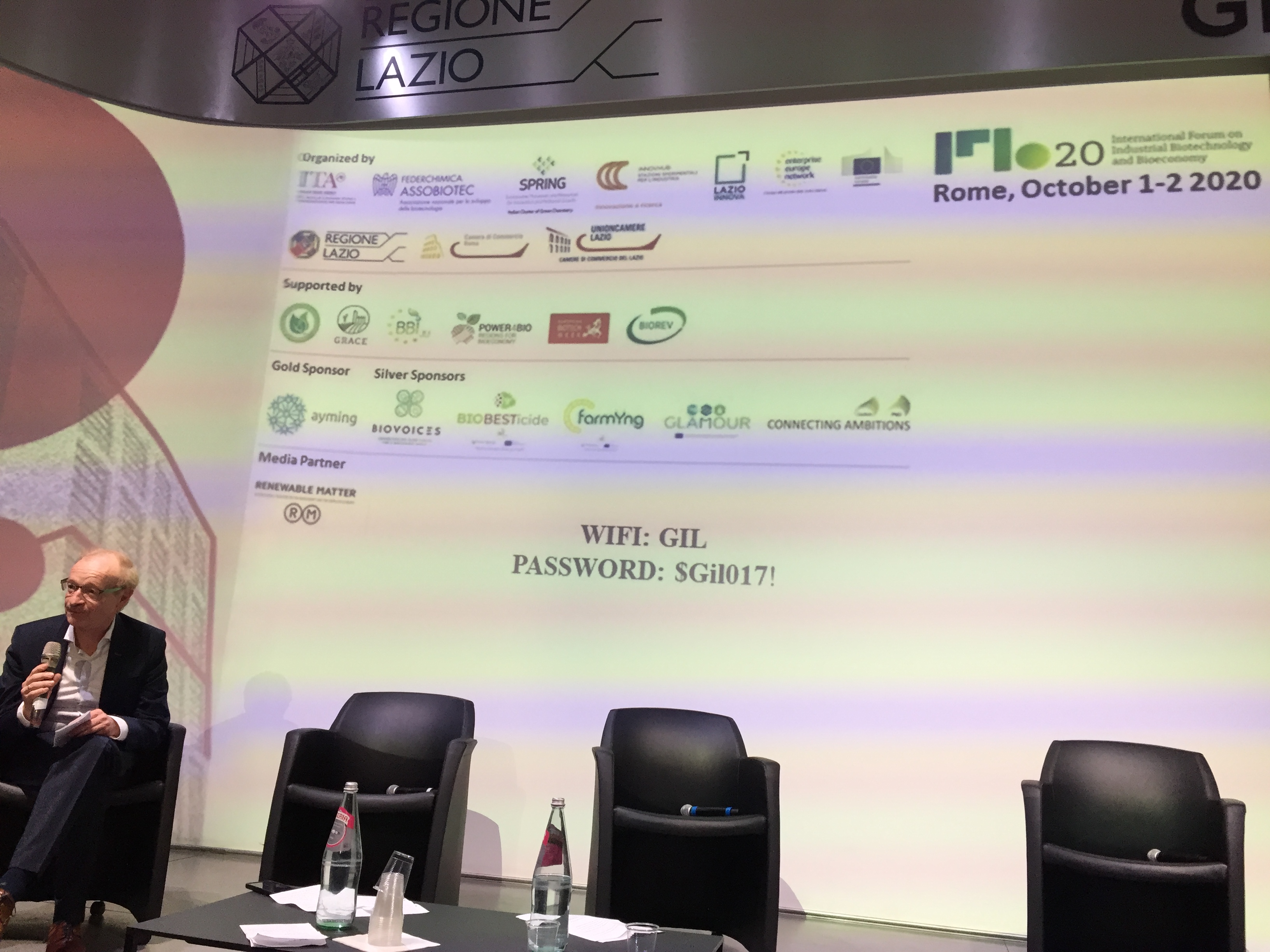
Michael Brandkamp, Head of ECBF at IFIB 2020 in Rome
The European Circular Bioeconomy Fund (ECBF) is oversubscribed with a total of approximately €300 million (targeted initially 250). With the final closing of the subscription, the international team of the ECBF was able to gain the trust of further investors for the implementation of its mission.


 IL BIOECONOMISTA