
Bologna, Italy, will be the capital of circular bioeconomy from 3 to 4 October. The International Forum on Industrial Biotechnology and Bioeconomy (IFIB) will be held in this beautiful city this year at the Golinelli Foudnation.
Bologna, Italy, will be the capital of circular bioeconomy from 3 to 4 October. The International Forum on Industrial Biotechnology and Bioeconomy (IFIB) will be held in this beautiful city this year at the Golinelli Foudnation.

Global Bioenergies, France-headquartered company which is a key player in industrial biotechnology, signed a new development contract with Shell Global Solutions (Deutschland) GmbH to further develop low carbon road fuels. While the previous phases of the collaboration, starting at the end of 2022, were dedicated to exploring different potential options based on proprietary Global Bioenergies’ technology, the aim now is to focus on one specific route.

There is a Scottish bioeconomy beyond Brexit. The Industrial Biotechnology Innovation Centre (IBioIC) has been awarded long-term investment from the Scottish Funding Council (SFC), securing its position at the forefront of Scotland’s emerging bioeconomy. The commitment, announced by the First Minister yesterday, will enable the innovation centre to continue the development of a greener economy and support Scotland’s transition to net zero. Industrial biotechnology explores the creation of more sustainable materials, consumer goods and pharmaceuticals by using bio-based alternatives to petrochemicals.
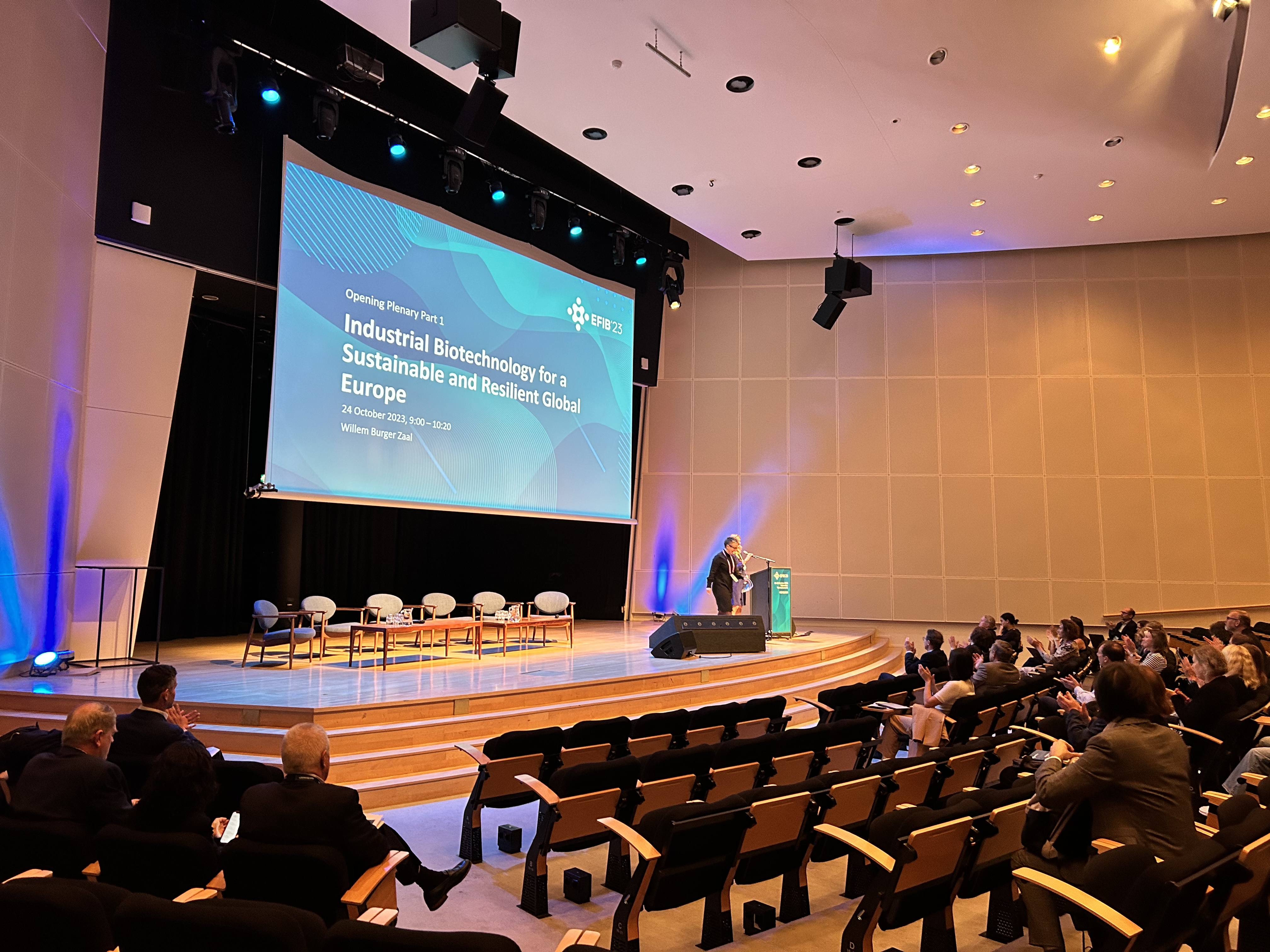
Rotterdam was the European capital of industrial biotechnology from Monday to Wednesday. More than 300 professionals from across the value chain, including researchers, policymakers, regulators, SME representatives, and global organisations met and discussed advancements in industrial biotechnology and its contribution towards positioning Europe as a global leader in addressing societal and sustainability challenges.
The two-day programme included inspiring plenaries, a start-up pitching hour, and thematic conference sessions ranging from food to sustainable finance and biomaterials – as well as new frontiers like biomanufacturing.
EFIB was a unique opportunity to boost networks, meet Europe’s SMEs, show innovations and discuss with businesses and decision-makers on the future of the European circular bioeconomy. The Forum ended with a statement, the so-called Rotterdam statement that will be published soon by EuropaBio.
Next year EFIB will take place in Marseille, France, from 4 to 5 November

Californian biotech company Genomatica (Geno) alongside longtime collaborator Aquafil successfully completed the first demonstration scale production runs for plant-based nylon-6. The material is intended to reshape the $22 billion nylon industry, enabling brands to meet demand from consumers for sustainable everyday materials from apparel to automotive parts to carpets.
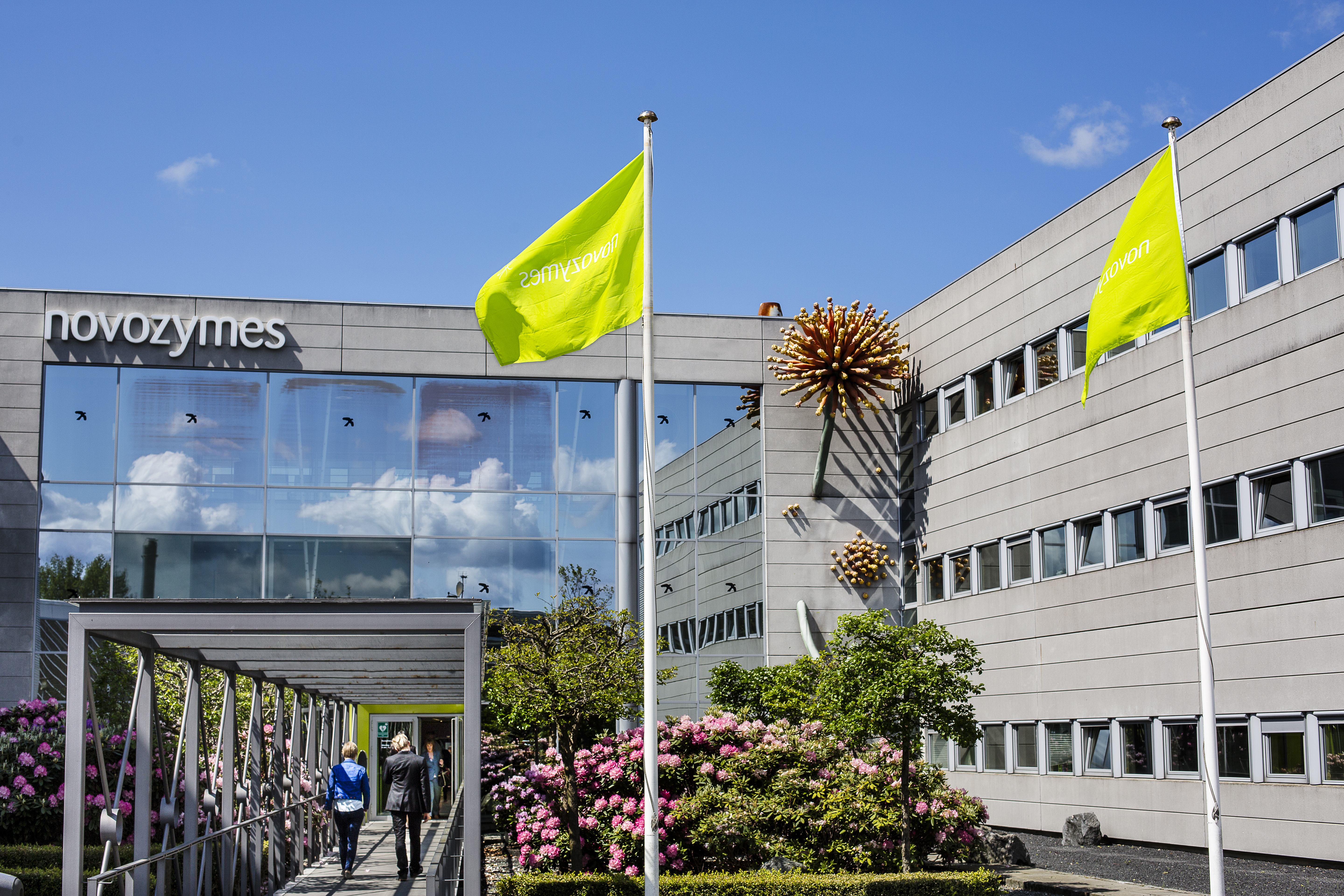
Novozymes, world’s leading industrial biotech company, and AgroFresh, a global leader in post-harvest freshness solutions, are forming a research and commercialization partnership towards developing biological solutions that can improve post-harvest food quality and minimize waste by fighting fungal pathogens. Resulting products, which will be developed for post-harvest applications, will benefit growers, retailers, and consumers, as well as the environment.

“At Union level, the European Green Deal is surely a clear and strong signal to many industries, and this will help our clients to gain further competing edges vs parties that still struggle to understand the benefit of implementing biosynthesis into their processes as tool to increase their competitiveness and sustainability.” To say it – in this exclusive interview with Il Bioeconomista – is Cyrille Pauthenier, Ceo and co-founder of Abolis, an industrial biotech company located in France. Pauthenier is graduated from École Normale Supérieure de Paris where he studied fundamental chemistry and biology. In 2011, he specialized in synthetic biology. In 2014, after obtaining his Ph.D., Cyrille co-founded Abolis, with the aim of using biology to accelerate the ecological transition of chemical industry.
Interview by Mario Bonaccorso
U.S. industrial biotech company Geomatica won the prestigious 2020 Green Chemistry Challenge Award given by the U.S. Environmental Protection Agency (EPA) for its Brontide® natural butylene glycol. Honoring groundbreaking scientific solutions to real-world environmental problems, the win for Brontide natural butylene glycol marks the third EPA award held by Genomatica and makes them one of only four companies to win the award three times in the program’s 25-year history.
 Naples will be the world capital of the bioeconomy for a couple of days. The International Forum on Industrial Biotechnology and Bioeconomy (IFIB) goes to the fascinating Italian city from 3 to 4 October at the Congress Center of the University Federico II.

Christophe Schilling founded Genomatica in 1998. Since being named CEO in May 2009, he has led Genomatica to widespread recognition as a leader in industrial biotech, with a commercialized first process and plant and multiple leading partners. The company has earned awards for industry impact (recognized in ICIS Top40 Power Players five years in a row), engineering (Kirkpatrick), science (EPA Presidential Green Chemistry), industry leadership (voted #1 Hottest four years in a row by Biofuels Digest), and company culture (The Scientist as a Best Place to Work). Christophe is Chairman of Biocom, the largest advocate organization for California’s life sciences sector; serves on BIO’s Industrial & Environmental Section Governing Board; serves on the World Economic Forum Global Agenda Council on Biotechnology; and is a member of YPO, an international leadership organization for chief executives. In this exclusive interview with Il Bioeconomista, he talks about the recent agreement with Covestro and the Genomatica’s way towards the bioeconomy.
Interview by Mario Bonaccorso
 IL BIOECONOMISTA