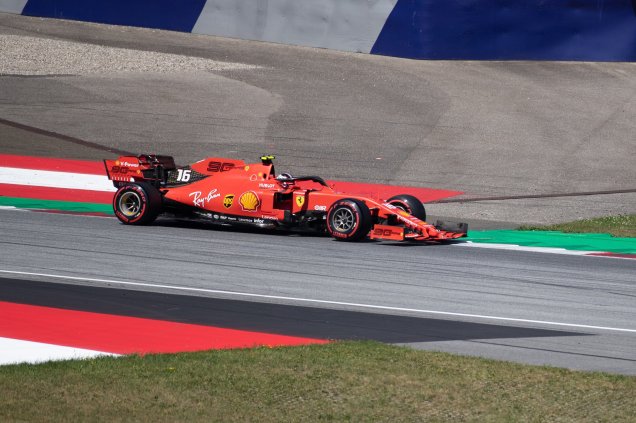
Formula 1® joins the circular bioeconomy. Indeed it has become an affiliate member of the Circular Bioeconomy Alliance (CBA), established by His Majesty King Charles III when he was The Prince of Wales. As a member of the CBA, Formula 1 will work together with industry experts and other CBA members to strengthen the integration of nature protection and restoration into its strategy and delivery.
IFF — a global leader in flavors, fragrances, food ingredients and health & biosciences — is enhancing regional production and innovation capabilities to better support the continued growth of its Health & Biosciences (H&B) business in Latin America, one of the fastest-growing markets for the company. The effort includes the transformation of the Arroyito site in Argentina into IFF’s first full fermentation‑based enzyme production hub in the region and the opening of a household care application laboratory at IFF’s Innovation Center in Brazil. Together, these enhancements expand IFF’s regional footprint and are expected to improve speed, reliability and locally relevant solutions for markets including brewing, animal nutrition, biofuels and home care.
Last Tuesday, the European Council approved conclusions on the new EU’s bioeconomy strategy. The Council conclusions welcome the vision for a competitive and sustainable bioeconomy by 2040, promote the use of bio-based and circular solutions across all relevant sectors – as fossil-free alternatives – and support innovation and investments.
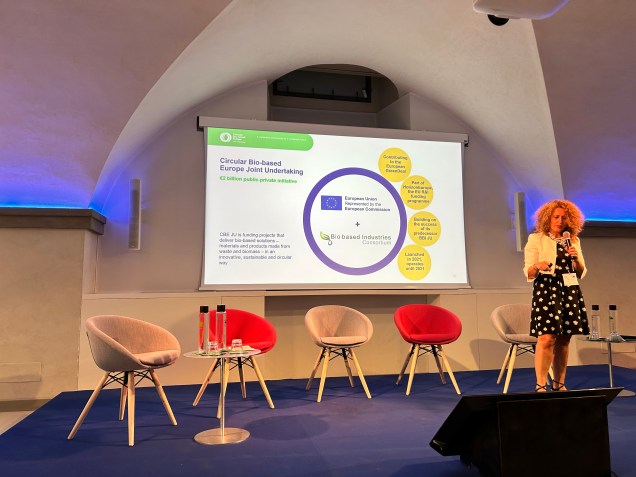
Virginia Puzzolo, Head of Program at CBE JU at IFIB 2023 in Florence
On 24 March, the CBE JU Stakeholder Forum 2026 will take place in Brussels, bringing together Europe’s bio-based community for high-level discussions on how to move from innovation to real market impact. The second edition of the forum will focus on a key question: what still needs to happen for Europe’s bio-based innovations to become competitive, large-scale industrial solutions? The forum will bring together CEOs from leading European bio-based companies (among these Catia Bastioli CEO Novamoent, Niklas von Weymarn CEO Metsa Spring, Nicolas Sordet CEO Afyren), as well as key EU decision makers, to discuss what it takes to transform innovation into industrial reality.
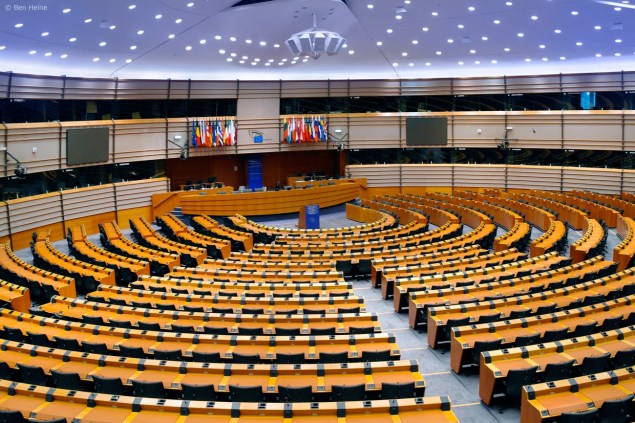
Berlaymont, European Commission’s Headquarter in Brussels
The European Commission launched a call for interest last Tuesday to participate in the European Bioeconomy Investment Deployment Group, a new platform aimed at accelerating investment in the EU’s growing bioeconomy sector.
Stora Enso has published a climate resilience plan outlining its approach to climate action, target attainment, and business preparedness for future climate scenarios. The plan includes a forecast for emission reductions across all scopes by 2030. At the end of 2025, the Group’s Scope 1 and 2 CO2e emissions were 61% lower and the estimated Scope 3 emissions 38% lower than in the 2019 base year. The target is to achieve a 50% reduction in all scopes by 2030.
Equal opportunity and equal treatment in the labour market are at the core of decent work. Unfortunately, women around the world still face additional hurdles to access employment, and once in employment, to access decision-making positions and jobs in certain sectors or of certain characteristics. This horizontal and vertical gender segregation of employment, combined with the unequal distribution of unpaid work (including household and childcare activities), results in differences in working conditions such as the gender pay gap and the over-representation of women in part-time jobs.
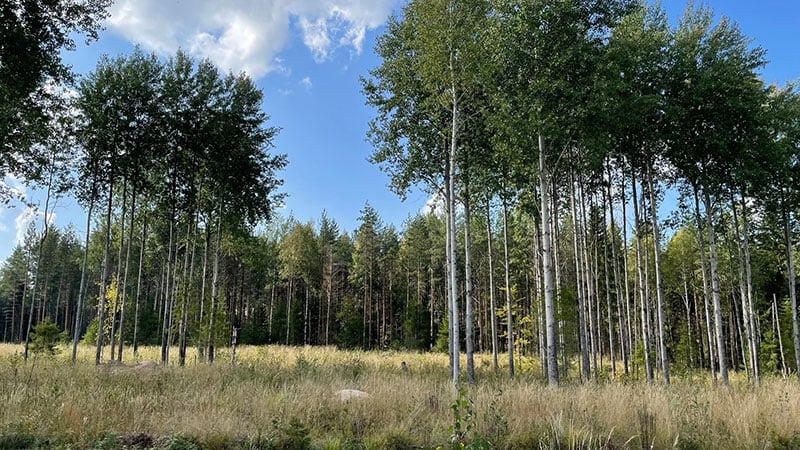
UPM is launching its own doctoral program on the ecological impacts of forest management and on so‑called nature management actions in forestry. The University of Eastern Finland has been selected as the first partner in the program, with a focus on water protection. The research topic examines the effects of peatland management—and particularly the restoration of mires—on water chemistry and biota. The aim is to investigate how different restoration measures influence water quality and biodiversity in waterways immediately after the measures have been implemented.
There is a further important strategic investment in biorefining for Eni, the Italian petrochemical giant. In addition to the Priolo project, the final investment decision (FID) has also been approved for Eni’s plan to convert certain units of the Sannazzaro de’ Burgondi refinery (Pavia, Lombardy) into a biorefinery.
Both projects represent a significant step forward in developing Enilive’s biofuel production capacity. The two biorefineries will be completed by 2028 and will offer maximum flexibility in producing both HVO diesel (Hydrogenated Vegetable Oil) and SAF-biojet, Sustainable Aviation Fuel.
The new biorefinery in Sannazzaro de’ Burgondi will not affect the plant’s existing traditional fuels production capacity. Instead, it will introduce additional biofuel production from renewable raw materials, further diversifying the range of products available to the market.
The project involves the conversion of the Hydrocracker (HDC2) unit using Ecofining™ technology as well as the construction of a pre-treatment unit for waste and residues, which are the main feedstocks used by Enilive to produce HVO biofuels. The hydrogen required will be supplied by existing plants, while supporting infrastructure, including logistics and connections to airports in Lombardy, will be adapted for the new production setup. The new biorefinery in Sannazzaro de’ Burgondi will have the capacity to produce 550,000 tonnes/year of feedstock, with the flexibility to produce SAF-biojet and HVO diesel.
The Priolo biorefinery, for which preparatory activities are underway ahead of the award of procurement and construction contracts for the new units, will have a capacity of 500,000 tonnes/year and will also have extensive operational flexibility for the production of HVO diesel or SAF-biojet, in line with market dynamics and demands. The Priolo biorefinery is part of Versalis’ basic chemicals transformation plan and will be built within the existing site, replacing the cracking plant that ceased operations last year and that is currently being dismantled.
Through Enilive, Eni is the second largest producer of hydrogenated biofuels HVO, both diesel and biojet (SAF), in Europe and plans to increase its biorefining capacity from the current 1.65 million tonnes/year to over 3 million in 2028 and over 5 million in 2030, with the potential to produce up to 2 million tonnes of SAF by 2030.
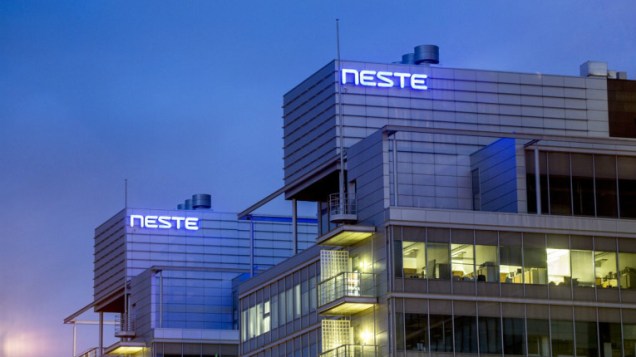
Neste and World Fuel Services (World Fuel) have extended their existing relationship with a five-year agreement that will expand the availability of Neste-supplied sustainable aviation fuel (SAF) at more than 100 airports across World Fuel’s UK and European network.





 IL BIOECONOMISTA