Mogu raises €11 million in series A funding round supporting further industrialisation of its mycelium-based technologies

5EFCBAE1-44A8-470F-8E49-74D43860BC31

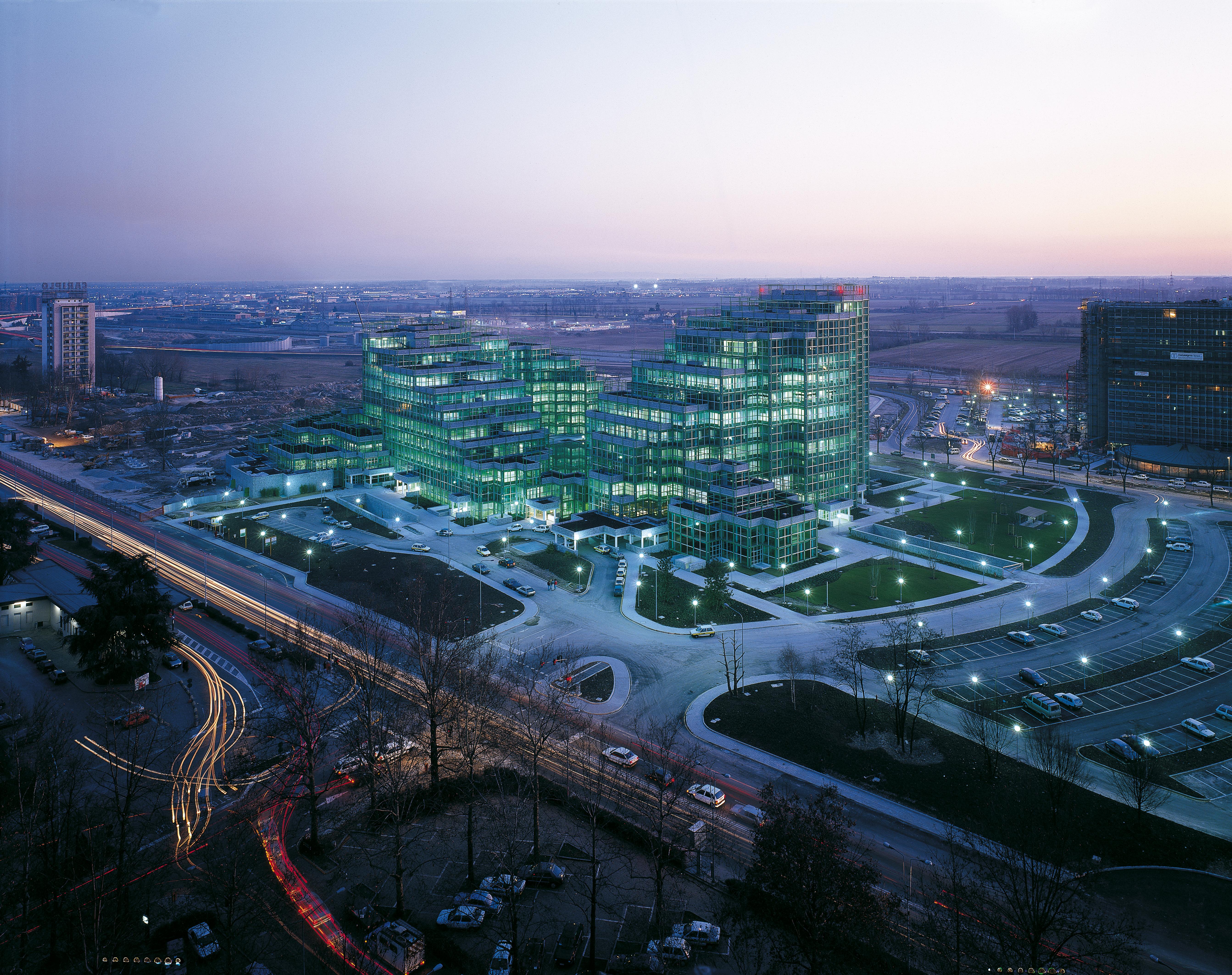
Mogu Srl, Italy-headquartered company which transforms low-value materials and residues from agro-industry into functional and high-value products, has successfully secured the backing of CDP Venture Capital, European Circular Bioeconomy Fund (ECBF VC), Kering Ventures, and Progress Tech Transfer, as part of a € 11 million series A funding round, who have taken equity stakes to allow for further industrial scaling of the company’s technologies behind their key verticals and brands, EPHEATM and MOGU.

Continue reading

First-ever 3D-printed biocomposite pipes play in Helsinki Music Centre’s organ

66E1857C-A137-45B8-A3AD-F8FE841853E7

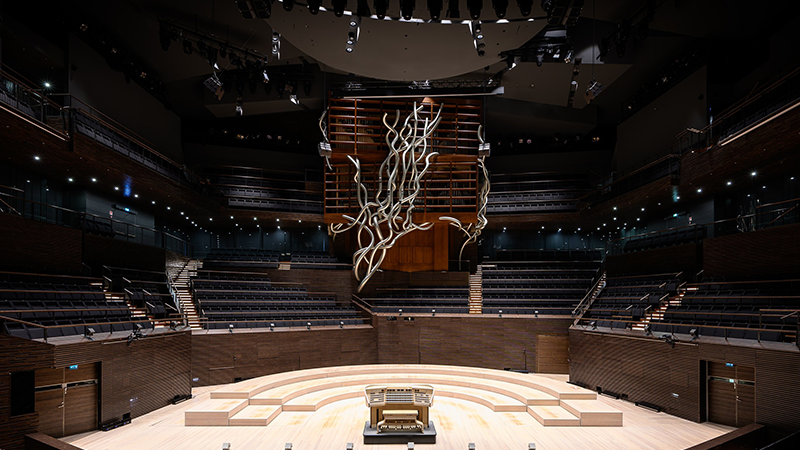
The new organ of the Helsinki Music Centre played in a celebratory concert on January 1, 2024. The striking facade pipes of the Rieger organ are the first of their kind, crafted from Finnish, wood-based UPM Formi 3D biocomposite. The organ features 3D-printed sounding pipes and wind lines totalling 260 meters. With 124 sound registers divided among several different sets of pipes, it is the largest in Finland and Scandinavia, among the largest in Europe, and the largest modern organ placed in a concert hall worldwide.

Continue reading

New biofuel plant set to open in Northern Ireland this year, using technology developed with NASA

7BD8C75C-3E1A-478E-AF82-9EDD3960B596

London-based company Renovare Fuels will open in Northern Ireland a new facility to produce 2 million litres of biofuels a year, using technology developed in conjunction with NASA and the US Department of Energy. In an initiative to meet growing demand for alternatives to fossil fuels, the British specialist is pioneering a groundbreaking method to transform biogas into liquid fuels such as diesel and sustainable aviation fuel (SAF).

Continue reading

Happy New Year

3067CFFF-90C9-439C-B298-55E2F2837100

Dear Readers,

we want to wish all of you a very happy, peaceful and healthy year, where we all will keep working together to make the circular bioeconomy happen.

Repsol receives the first ship carrying used cooking oil for its new renewable fuels plant in Cartagena

Buque con aceite usado en el complejo industrial de Cartagena

Repsol’s industrial complex in Cartagena received the first ship with used cooking oil to be used as a raw material in Spain’s first renewable fuels plant. The ship, that arrived from Huelva in southern Spain, unloaded 7,500 tons of used cooking oil.

Continue reading

Neste’s crude oil refinery in Finland to be gradually transformed into a renewables and circular solutions refining hub

C23DFA4C-06EE-46D5-B6D3-9646D7BF3F9F

Neste begins a gradual transformation of its crude oil refinery in Porvoo, Finland into a leading renewable and circular solutions refining hub. The planned transformation will proceed in phases, and requires multiple separate investment decisions during the next decade before targeted completion in the mid 2030s. 

Continue reading

Metsä Group invested in Swedish startup FineCell that turns pulp into added-value biomaterial

Metsä - Kuura
Metsä – Kuura

Metsä Group made its second Swedish investment in FineCell, developer of the FineCell technology and producer of CellOx dry cellulose powder. The company will use the €1 million seed funding to improve its material application know-how, engage with potential customers, and finalise the material needed for making an investment decision concerning a demo production facility. The funding round lead by Metsä Group’s innovation company Metsä Spring consists of a group of investors, including EIT InnoEnergy and the company’s founder. 

Continue reading

The Most Innovative Bioeconomy CEO 2023 is Thomas Philipon, CEO TotalEnergies Corbion

9A1AC3BF-4F31-4BEA-AE9F-BF070A186BFC

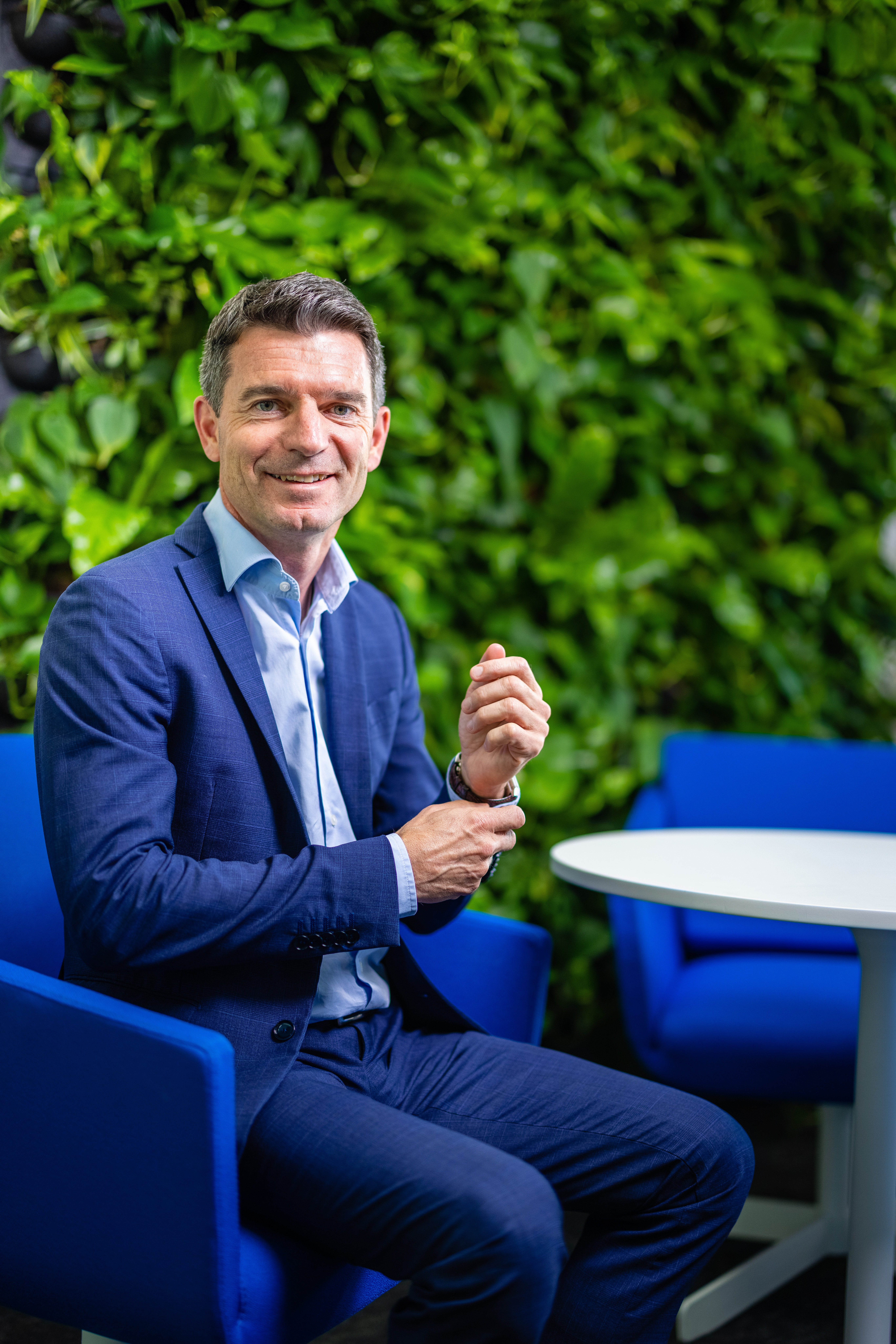
Our readers have voted. The most innovative bioeconomy CEO 2023 is Thomas Philipon, CEO of TotalEnergies Corbion, a global technology leader in Poly Lactic Acid (PLA) and lactide monomers. PLA is a biobased, recyclable, and biodegradable polymer made from annually renewable resources, offering a reduced carbon footprint versus traditional plastics. TotalEnergies Corbion, headquartered in the Netherlands, operates a 75,000 tons per year PLA production facility in Rayong, Thailand. The company is a 50/50 joint venture between TotalEnergies and Corbion.

Continue reading

The 10 Most Innovative Bioeconomy CEOs 2023. Now choose the number 1

6D9CB783-2F19-4D5E-B438-62E9ABA9BBAD

The circular bioeconomy is innovation, the result of the skills and passion of researchers and managers able to create value and new high-qualified jobs, reconciling economy, society and the environment. At the end of 2014 Il Bioeconomista launched a new initiative: The 10 Most Innovative Bioeconomy CEOs.

We have asked a panel of world bioeconomy experts to tell us the Chief Executive Officers that have stood out as the most innovative during the last year.

Now we ask you to choose the most innovative CEO responding to our survey (open till December 13 at 7 am, Western European Time).

The most innovative CEO 2016 was Ken Richards (CEO of Leaf Resources, Australia)

The most innovative CEO 2017 was Tony Duncan (CEO of Circa Group, Australia)

The most innovative CEO 2018 was Jürgen Eck (CEO of BRAIN AG, Germany)

The most innovative CEO 2019 was Alex Michine (CEO of MetGen, Finland)

The most innovative CEO 2020 was Simão Soares (CEO of SilicoLife, Portugal)

The most innovative CEO 2021 was Jennifer Holmgren (CEO of LanzaTech, USA)

The most innovative CEO 2022 was Tom van Aken (CEO of Avantium, Netherlands)

This is the result of 2023 (in alphabetical order)

Catia Bastioli, Novamont (Italy)

John Bissel, Origin Materials (USA)

Annika Bresky, Stora Enso (Sweden)

Marc Delcourt, Global Bioenergies (France)

Jennifer Holmgren, LanzaTech (USA)

Dave Kettner, Virent (USA)

Thomas Philipon, TotalEnergies-Corbion (France/Netherlands)

Christophe Schilling, Genomatica (USA)

Frederic van Gansberghe, Futerro (France)

Niklas von Weymarn, Metsä Spring (Finland)

Here the survey closed

Clariant shuts down its sunliquid bioethanol production in Romania

clariant
Courtesy of Clariant

Another bad news for the European bio-based economy. Clariant, a sustainability-focused specialty chemical company, today announced its decision to shut down its sunliquid® bioethanol production in Podari, Romania, and to downsize related activities of the business line Biofuels & Derivatives in Germany (Straubing, Planegg and Munich).

Continue reading