LanzaJet, a sustainable fuels technology company and renewable fuels producer, has secured financing for its Freedom Pines Fuels plant in Soperton, Georgia, through the Microsoft Climate Innovation Fund. The Microsoft Climate Innovation Fund has made a $50M investment to support the construction of LanzaJet’s (and the world’s) first alcohol-to-jet sustainable aviation fuel (SAF) production plant. The innovative structure of Microsoft’s financing will enable LanzaJet to bring lower-cost sustainable aviation fuel and renewable diesel to the global market.
Aviation fuel supplier ExxonMobil has reached an agreement with sustainable aviation fuel (SAF) producer Neste to commercially distribute Neste MY Sustainable Aviation Fuel at France’s largest airports. The move comes after the French Government introduced the 1% SAF mandate, which has come into force from 1 January.
Neste signed its first renewable hydropower purchase agreement with Vattenfall, one of Europe’s largest producers and retailers of electricity and heat. Vattenfall will deliver the hydropower from its Nordic hydropower plants and the deliveries will start at the beginning of January 2022.
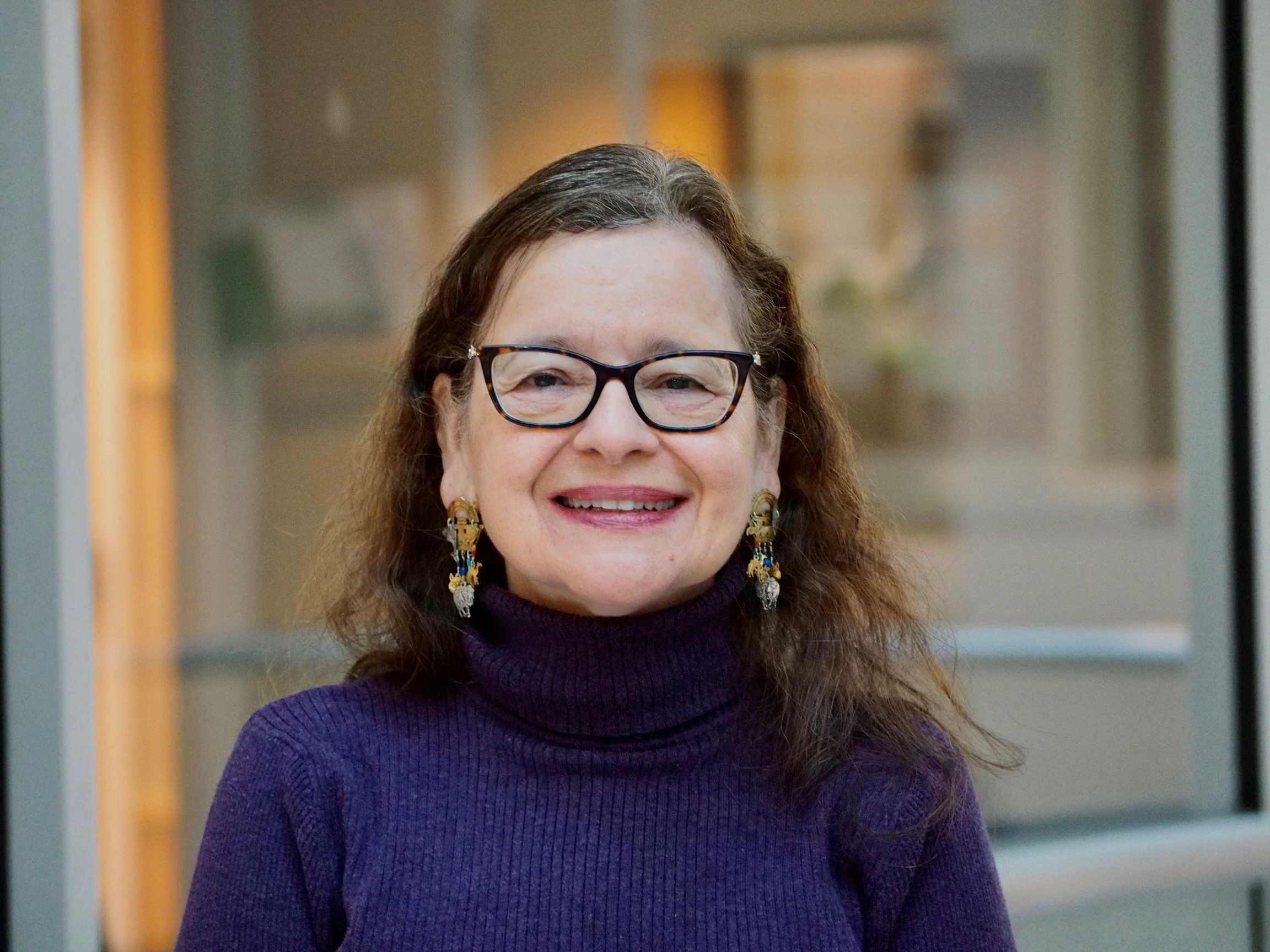
The bioeconomy is key to our future! We are a community of business leaders working to solve our world’s greatest challenges. I am honored to be named among these visionaries and grateful to the readers of Il Bioeconomista for taking such a big interest in the work we all do. To say it – in this exclusive interview with Il Bioeconomista – is Jennifer Holmgren, the Most Innovative Bioeconomy CEO 2021 according to our readers. She talks about this recognition but above all about the bioeconomy and our carbonsmart future.
“Another main pillar of our strategy is to drive sustainability through chemistry from renewable sources. We already operate on two technological platforms: Proesa® starting from solid biomasses and Matrìca from vegetable oils.” Adriano Alfani, CEO Versalis – the chemical division of Italian oil company ENI, talks to Il Bioeconomista.
Our readers have voted. The most innovative bioeconomy CEO 2010 is Jennifer Holgren, CEO of LanzaTech, the Illinois-based company that is the global leader in gas fermentation technology. The company provides novel and economic routes to ethanol, jet fuel and high-value chemicals from gas streams including industrial off-gases from steel and alloy mills; petroleum refineries, petrochemical complexes and gas processing facilities; syngas generated from any biomass resource (e.g. municipal solid waste (MSW), organic industrial waste, agricultural waste); and reformed biogas.
Chris Patermann at the first edition of the Bioeconomy Investment Summit, Brussels, 9-10 November 2015
The circular bioeconomy is innovation, the result of the skills and passion of researchers and managers able to create value and new high-qualified jobs, reconciling economy, society and the environment. At the end of 2014 Il Bioeconomista launched a new initiative: The 10 Most Innovative Bioeconomy CEOs.
We have asked a panel of world bioeconomy experts to tell us the Chief Executive Officers that have stood out as the most innovative during the last year.
Now we ask you to choose the most innovative CEO responding to our survey (open till December 7 at 9 am, Western European Time).
The most innovative CEO 2016 was Ken Richards (CEO of Leaf Resources, Australia)
The most innovative CEO 2017 was Tony Duncan (CEO of Circa Group, Australia)
The most innovative CEO 2018 was Jürgen Eck (CEO of BRAIN AG, Germany)
The most innovative CEO 2019 was Alex Michine (CEO of MetGen, Finland)
The most innovative CEO 2020 was Simão Soares (CEO of SilicoLife, Portugal)
This is the result of 2021 (in alphabetical order)
Enerkem, a world leader in the production of biofuels from waste materials based in Canada, achieved a major breakthrough in converting carbon from forest biomass into sustainable aviation fuel (SAF) using its proprietary thermochemical process. This important milestone was achieved at Enerkem’s Innovation Centre in Westbury, Quebec. It will be followed by the demonstration phase, which will lead to commercialization in the near future. This research is part of The Sky’s the Limit Challenge organized by Natural Resources Canada and for which Enerkem was selected as a finalist.
With a new project organization, BASF is bundling and accelerating its extensive cross-company activities to reduce its CO2 emissions by 25 percent by 2030 compared with 2018 and become climate neutral by 2050. The unit, called “Net Zero Accelerator”, focuses on implementing and accelerating projects relating to low-CO2 production technologies, circular economy and renewable energies. “With the new project organization, we are continuing to accelerate and create more powerful structures within BASF to achieve our ambitious goals,” said Martin Brudermüller, Chairman of the Board of Executive Directors of BASF SE. “This further step demonstrates the determination to drive forward our transformation to a climate-neutral company.”