Covestro opened up a further area of application for the use of CO2 in plastics production: the automotive industry

Covestro

In addition to mattresses, sports floors and textile fibres, Covestro has opened up a further area of application for the use of CO2 in plastics production: now foams for the automotive industry can also be produced partly using carbon dioxide instead of fossil raw materials such as crude oil. The innovative precursor cardyon® is used for this purpose, with which the Swiss company FoamPartner produces foams for various areas in the vehicle interior.
Continue reading

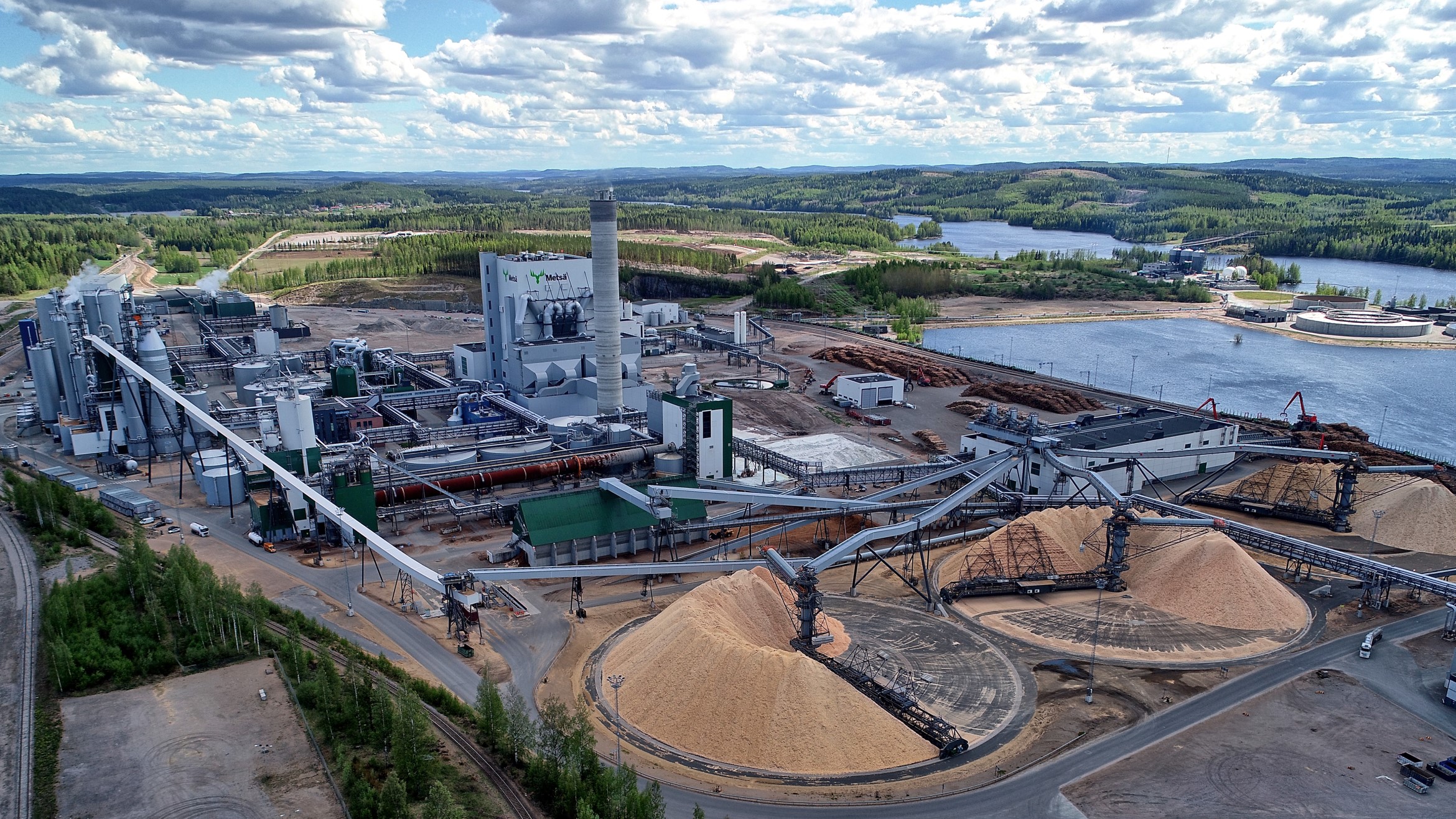
Metsä Group is planning to invest €200 million in the construction of a Kerto® LVL mill in Äänekoski

Äänekoski, Metsä Fibre

Metsä Group is planning to construct a new Kerto® LVL mill on its expanding mill area in Äänekoski, Finland. The final decision on the investment, the value of which is approximately EUR 200 million, is pending the completion of a local detailed plan for the area. The new Kerto LVL mill is expected to use around 375,000 cubic metres of log procured from Finland.

Continue reading

An exclusive interview with Jason Robinson, CEO of Evoco

2B117A6F-D9EA-4B7C-ACF5-7FB07F9ECFDD

Evoco is an innovative cleantech company. Its CEO, Jason Robinson, talks to Il Bioeconomista. “We’re focused on developing and producing renewable, sustainable and plant-based chemistry as alternatives to petroleum-based materials and products”, he tells us.

Interview by Mario Bonaccorso

Continue reading

Univar Solutions and Novozymes signed a new agreement for waste and wastewater treatment

Novozymes
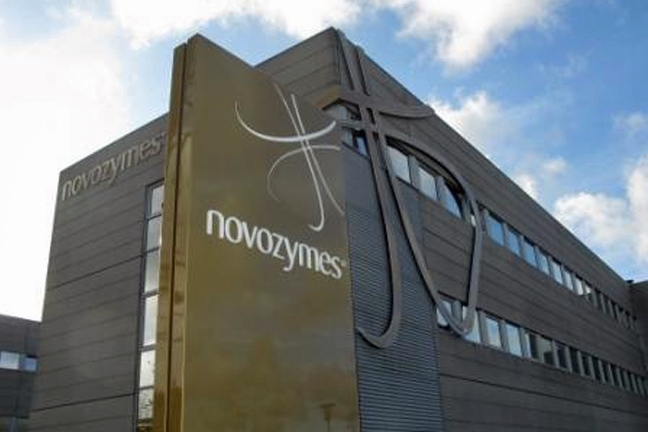
Novozymes Headquarter

Univar Solutions Inc., a global chemical and ingredient distributor and provider of value-added services, signed a new agreement with Novozymes, expanding their relationship to include biological solutions for waste and wastewater treatment in the United States and Canada. Longtime global partners, the new agreement follows previous announcements expanding the partnership into a range of markets in the United States, Canada and Latin America.

Continue reading

New publication highlights the BBI-JU achievements over 7 years

Philippe Mengal

Over the last seven years, the BBI JU has established itself as a game-changer in the European bio-based economy. By replacing fossil-based materials and products with bio-based ones, using local, sustainably sourced feedstock and developing circular production processes, the BBI JU-funded projects have given an important contribution to the green transition in Europe. A new publication takes stock of BBI JU’s achievements and impacts in the 2014-2020 period.

Continue reading

Total Corbion PLA marks 100kT Luminy PLA production milestone 

Total Corbion Thailande

Total Corbion PLA’s plant in Rayong Thailand has, since its grand opening in 2019, earlier this summer reached a cumulative production volume of 100kT of Luminy® PLA. The plant is now running at name plate capacity of 75kT annually in order to meet the evergrowing demand for PLA bioplastics.

Continue reading

Cargill and HELM joined forces to build the first commercial-scale, renewable BDO facility in the U.S.

F339B743-E714-4786-975D-6A3E09F58C0F

Cargill and German company HELM entered into a joint venture, Qore, to help leading brands replace fossil-based chemistries with bio-based intermediates, enabling them to reduce their greenhouse gas emissions. As part of the agreement, both companies are investing a combined $300M to build the first commercial-scale, renewable BDO facility in the U.S. Bio-based intermediates give the apparel, automotive, electronics and packaging industries the ability to improve their environmental footprint without sacrificing product performance or altering their existing downstream manufacturing processes.

Continue reading

LanzaTech and Twelve partnered to produce world’s first polypropylene from CO2

Holmgren IFIB 2018
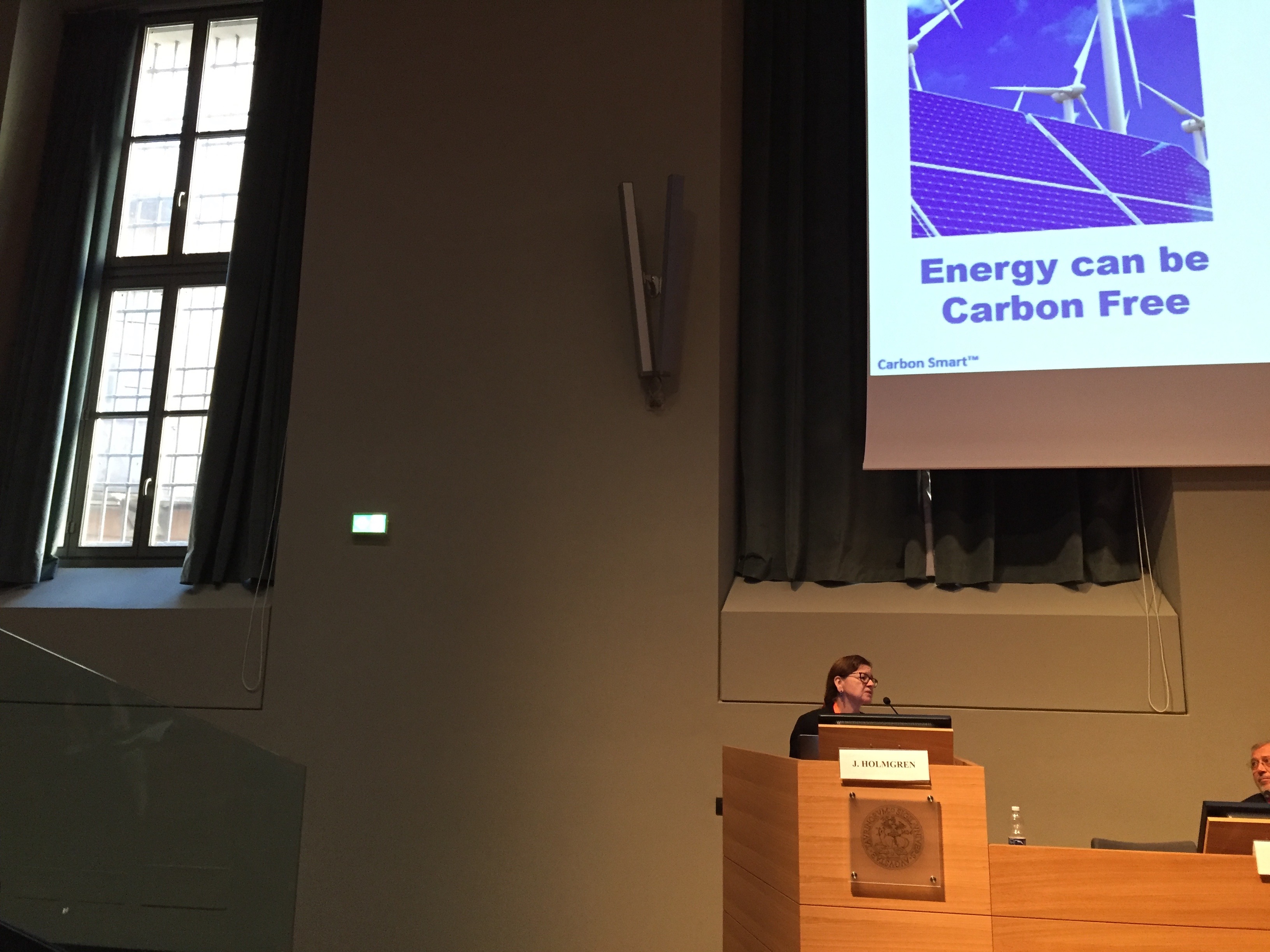
Jennifer Holmgren at IFIB 2018 in Turin, Italy

Carbon transformation company Twelve and biotechnology company LanzaTech partnered to transform CO2 emissions into polypropylene, a key polymer used for medical devices including syringes and IV bags, as well as for large-scale applications in automotive, furniture, textiles and other everyday products.

Continue reading

An interview. European Commission: “The bioeconomy can generate significant carbon savings to reduce EU’s GHG emissions by at least 55% by 2030”

Berlaymont in Brussels
Berlaymont, European Commission’s Headquarter in Brussels

“Already now, the circular and sustainable bioeconomy is contributing to all dimensions and objectives of the European Green Deal. Through the substitution of fossil-based products and materials and through carbon sequestration in soil and forests, together with its storage in harvested wood products, the bioeconomy can generate significant carbon savings to reduce the EU’s greenhouse gas emissions by at least 55% by 2030”. To say this is a European Commission’s official, who prefers to remain anonymous. In this long interview with Il Bioeconomista, the Commission’s official talk about the Green New Deal, the bioeconomy and the partnership Circular Bio-based Europe.

Interview by Mario Bonaccorso

Continue reading

Lululemon Athletica and Genomatica joined forces to create a lower-impact, plant-based nylon

wp-image-799665490jpg.jpg
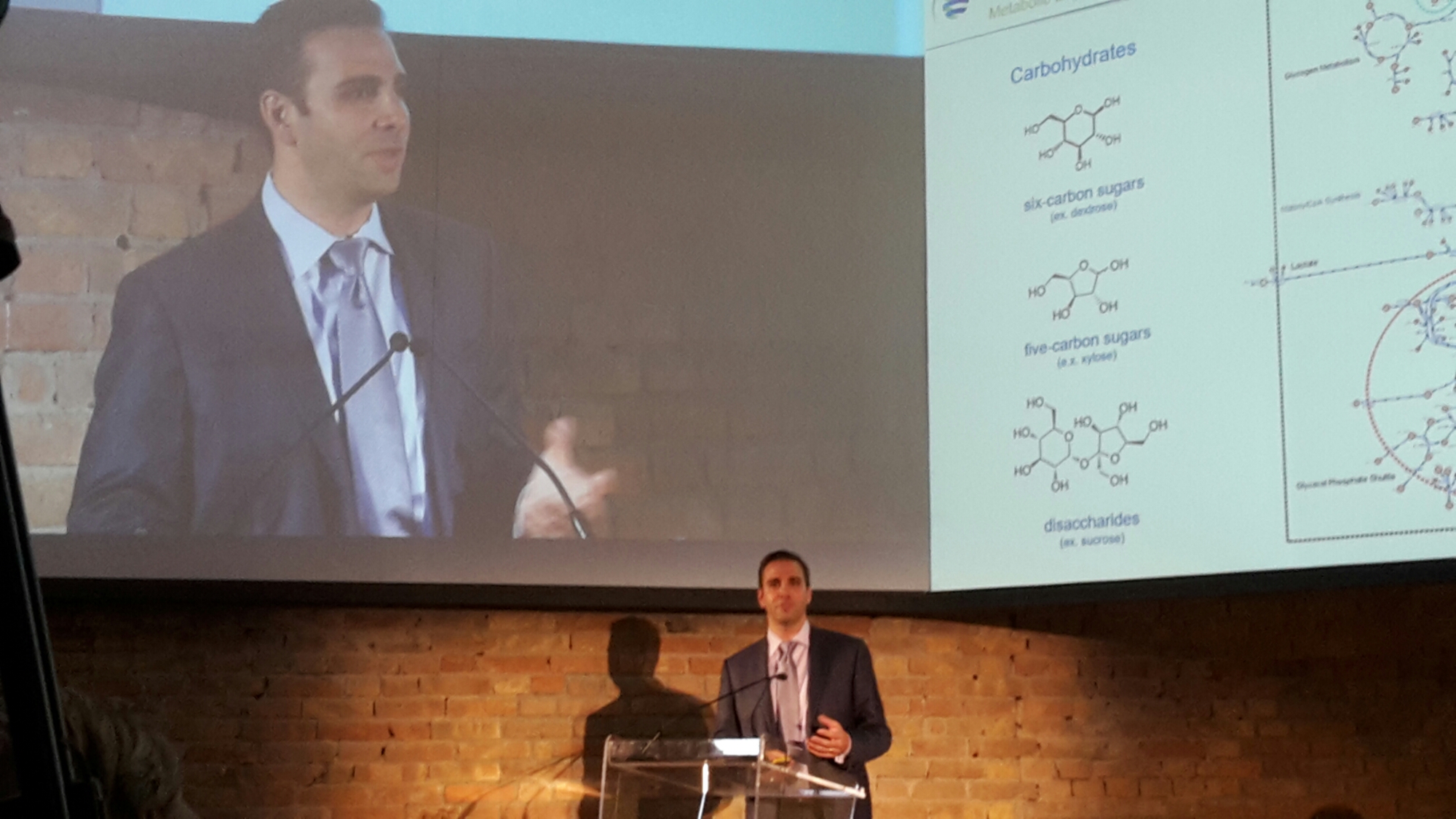
Christophe Schilling, CEO of Genomatica during his speech at the Grand Opening of Mater Biotech’s plant in Bottrighe di Adria, Italy

lululemon Athletica inc. signed a multi-year collaboration with sustainable materials leader Genomatica to bring renewably-sourced, bio-based materials into lululemon’s products. This represents lululemon’s first-ever equity investment in a sustainable materials company and Genomatica’s largest partnership within the retail industry. Together, the two companies will create a lower-impact, plant-based nylon to replace conventional nylon, which is the largest volume of synthetic material currently used to make lululemon products.

Continue reading